2. Build real-world readiness through authentic training opportunities.
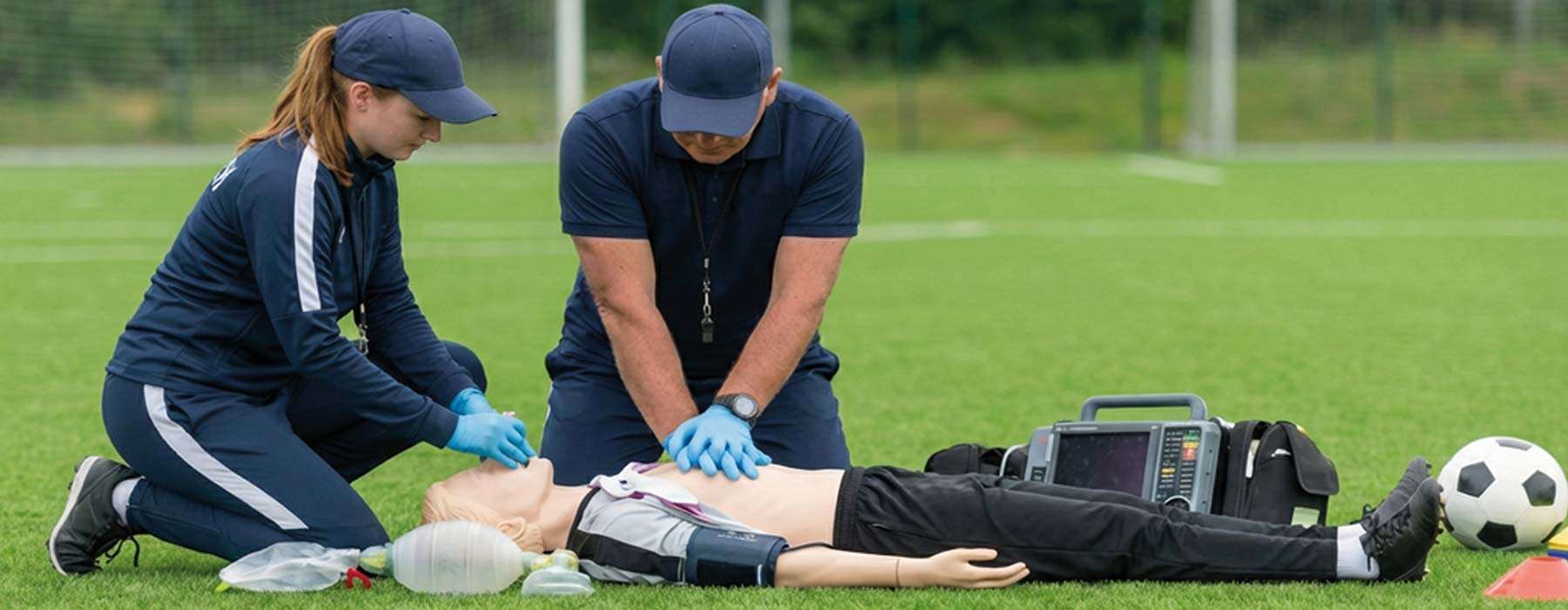
When it comes to CPR training effectiveness, focusing on frequency alone isn’t enough. True CPR competence depends on realistic, hands-on practice that mirrors real-world conditions and reflects how your team actually responds during an emergency.
Effective CPR training should reinforce the team-based performance expectations embedded in an EAP:
-
- Who initiates compressions
- Who retrieves and applies the AED
- Who communicates with emergency medical services
- How responders rotate roles without interrupting care
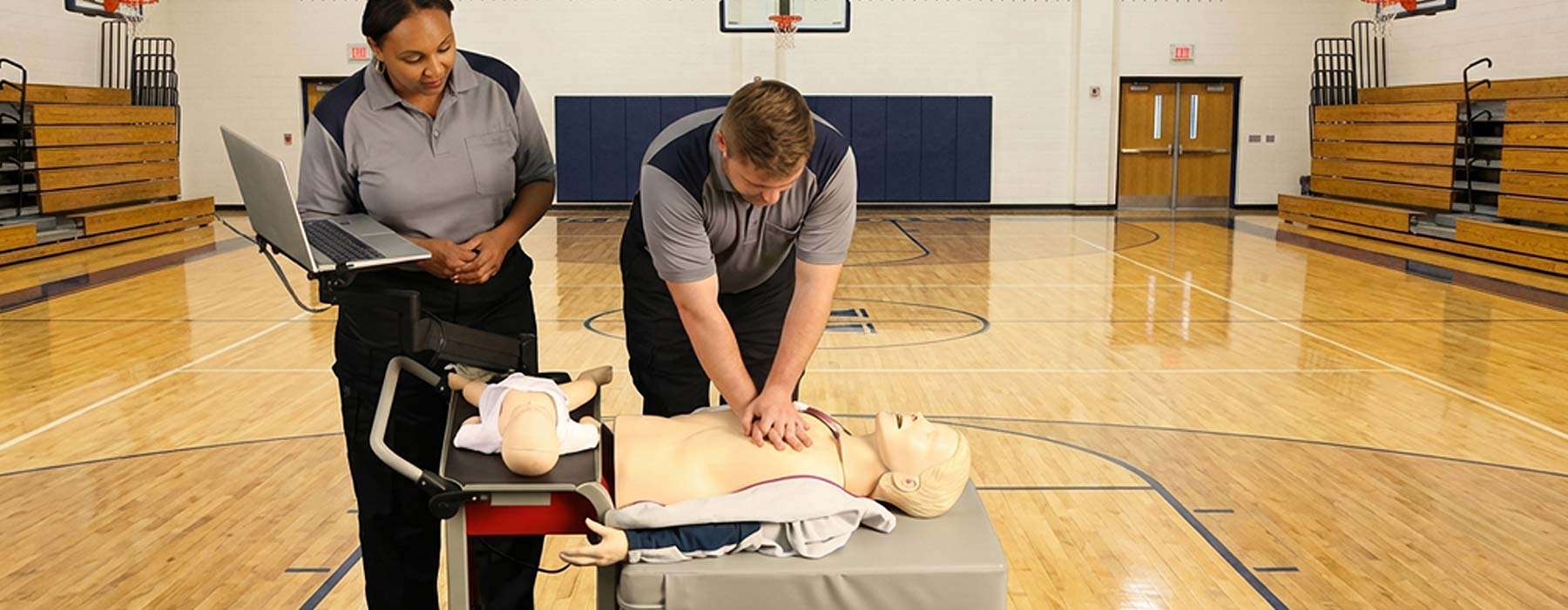
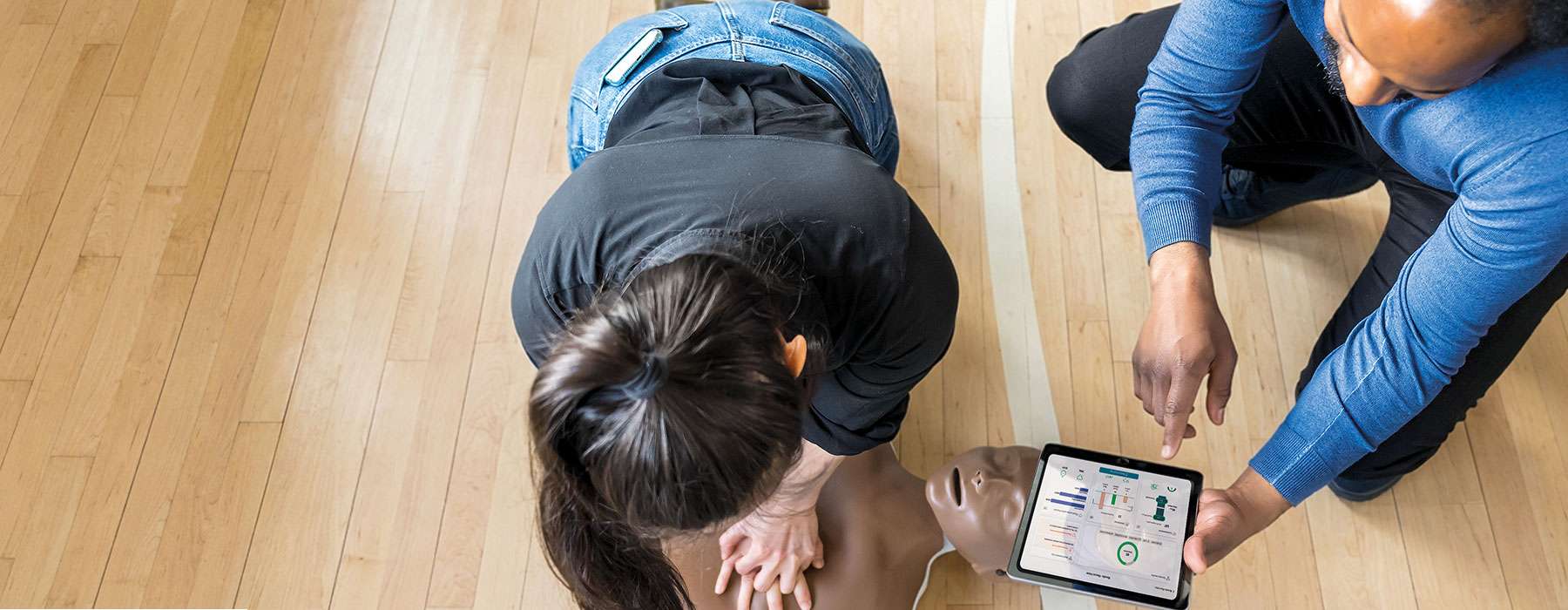
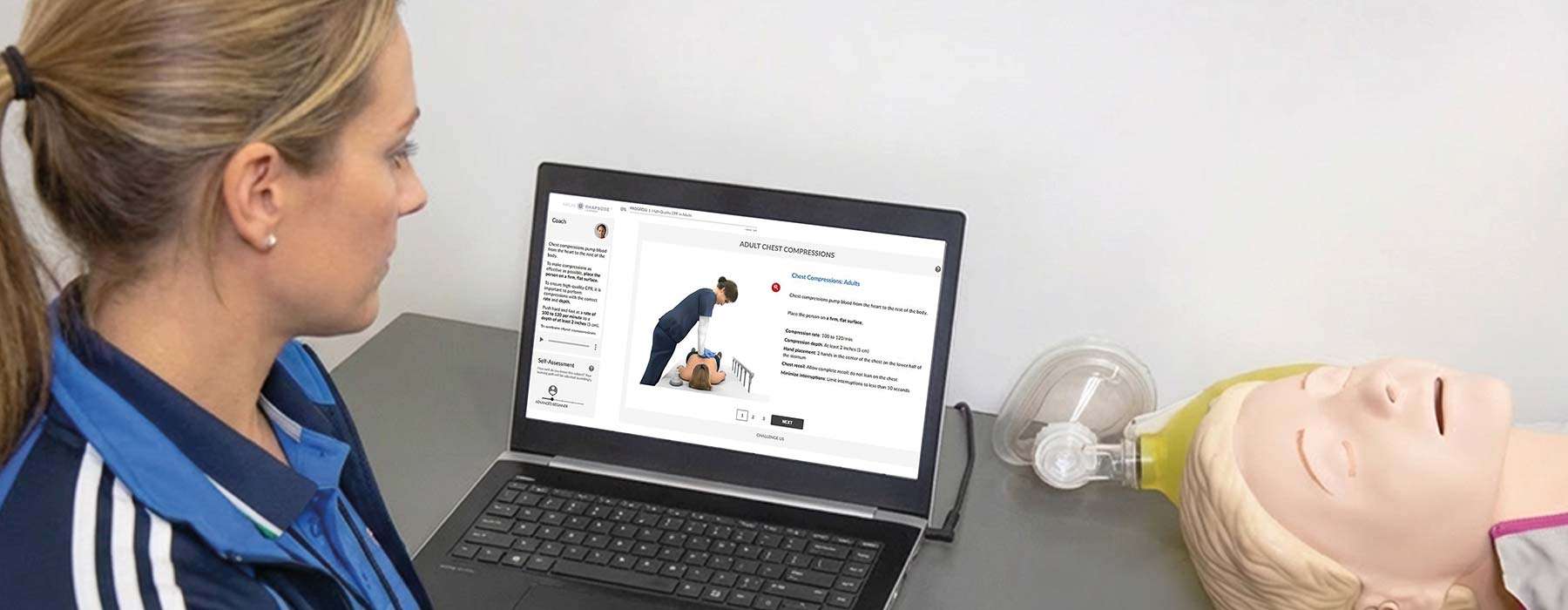
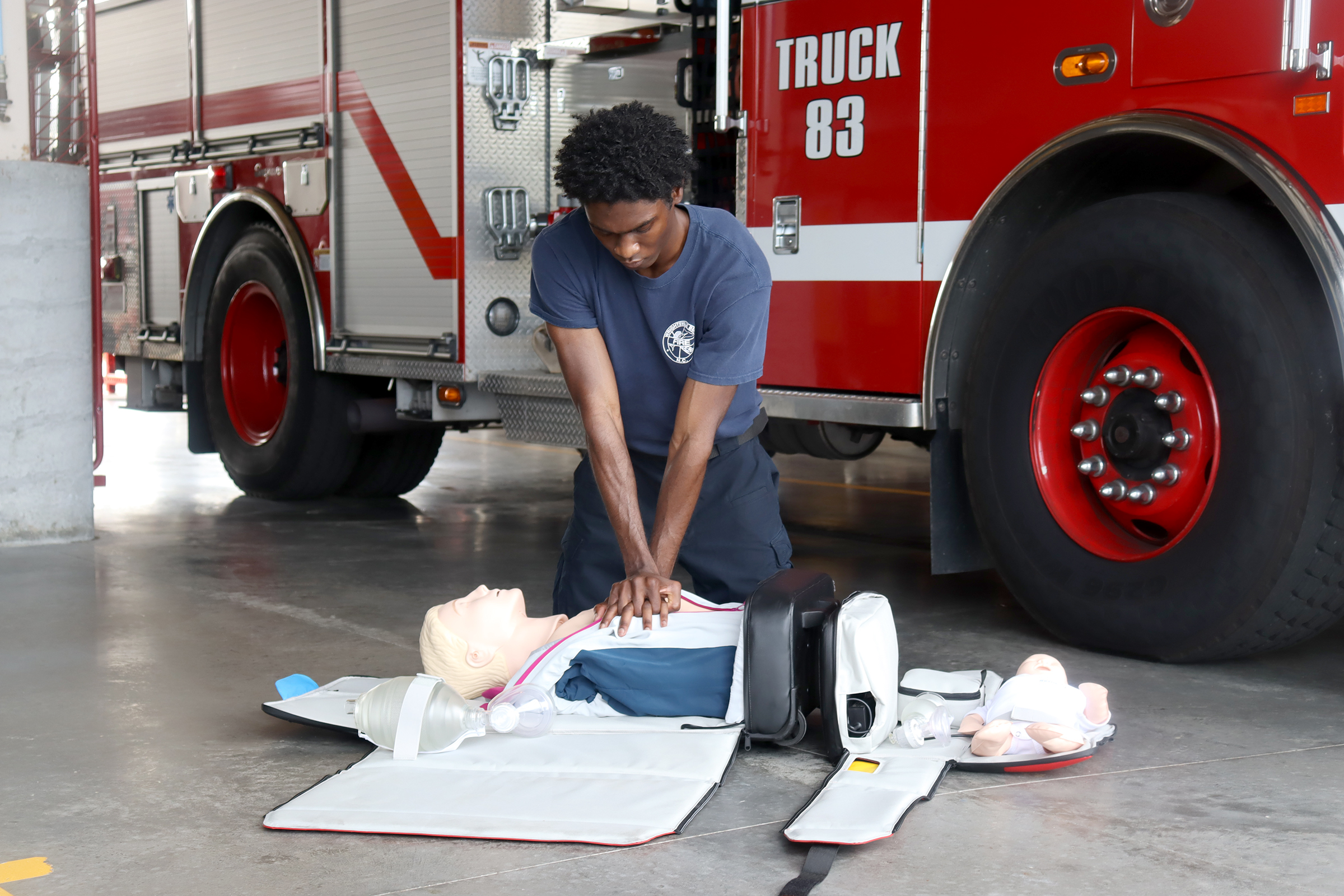
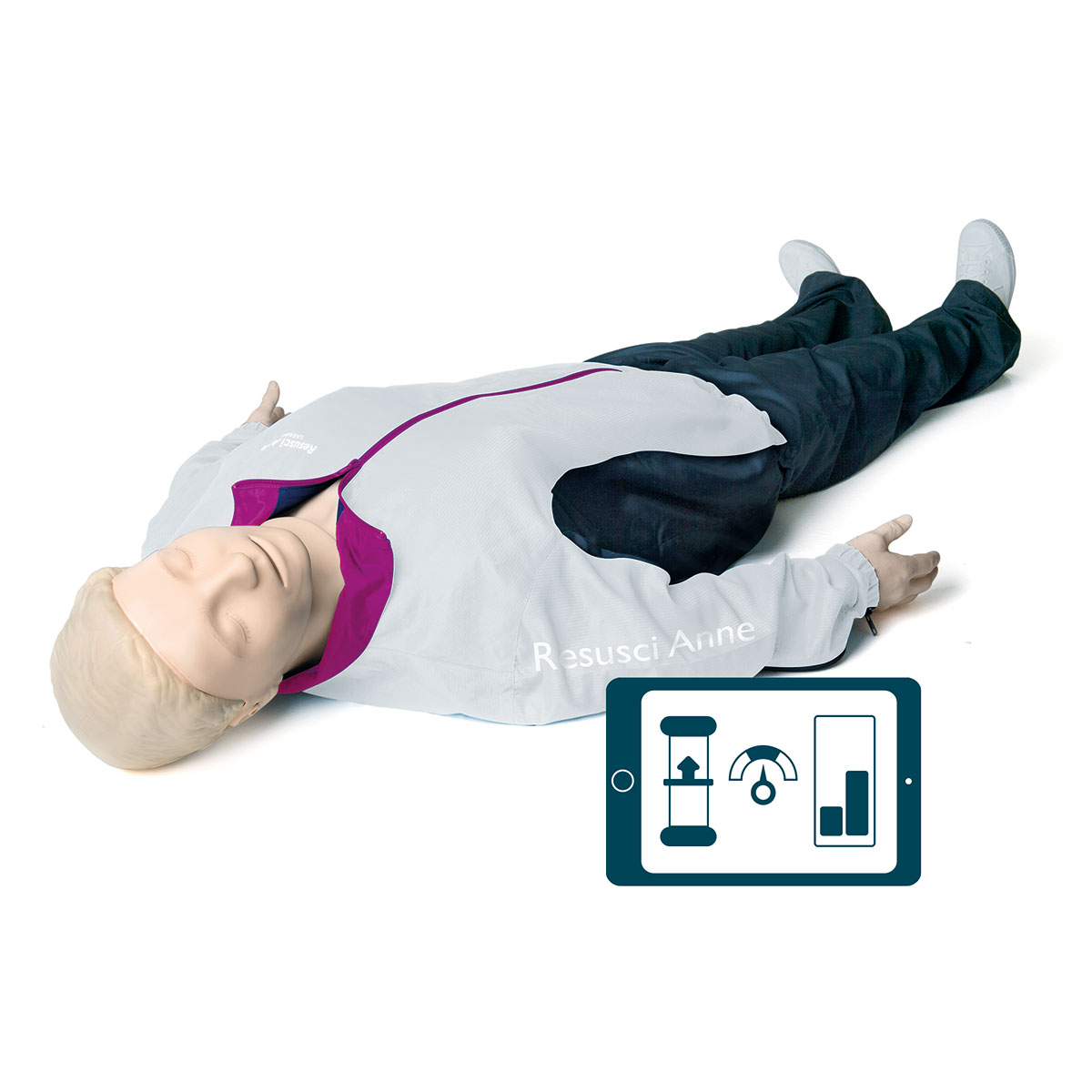
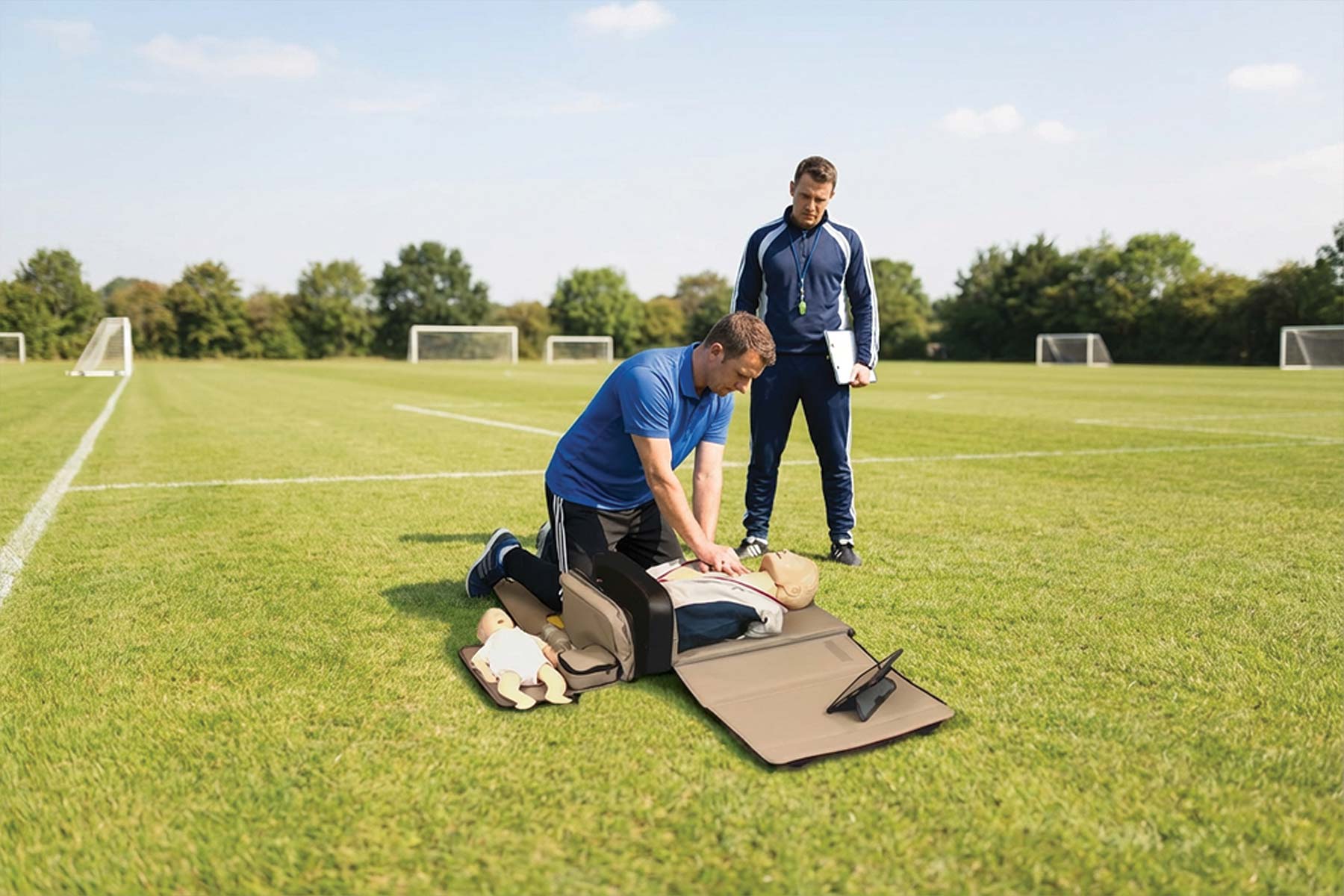
Hands-on training with lifelike manikins helps build individual muscle memory and confidence, but its real value emerges when those skills are practiced within a team context. Real-time and summative performance feedback reinforce proper compression depth and rate while aligning individual performance with shared team expectations. This can help turn abstract guidelines into measurable, observable behaviors.
Equally important is integrating AED use into the same team-based workflow. Teams should practice clear role assignments for pad placement, shock safety, and smooth transitions between CPR and defibrillation.
With consistent practice, staff can develop the ability to respond as a coordinated, “choreographed” team.
Training Suggestion:
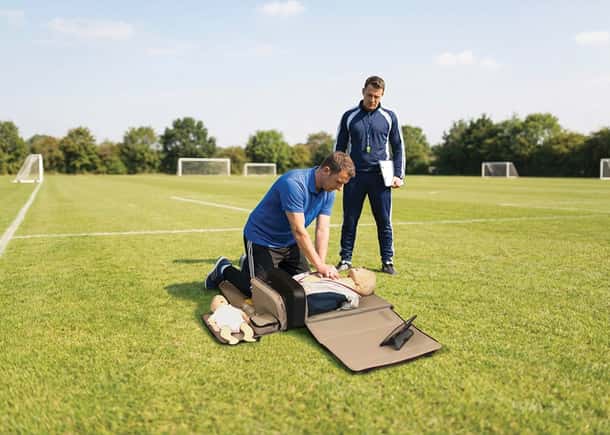
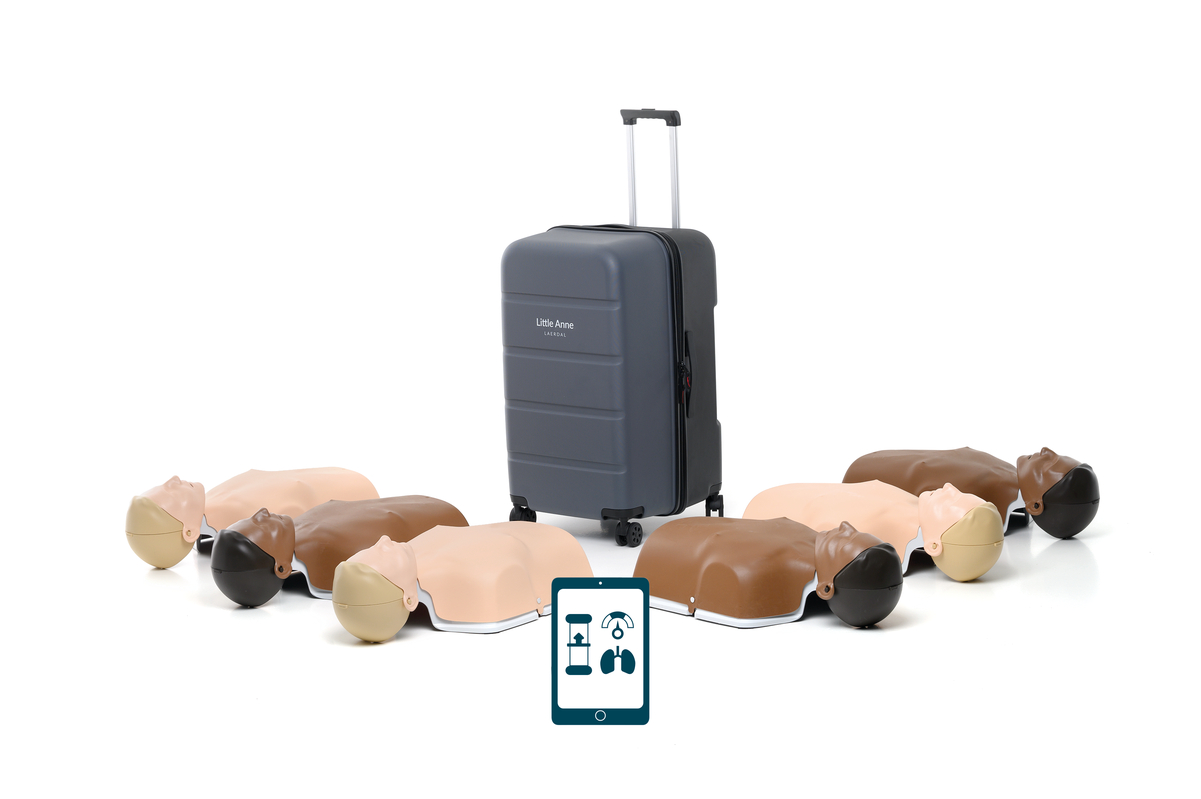
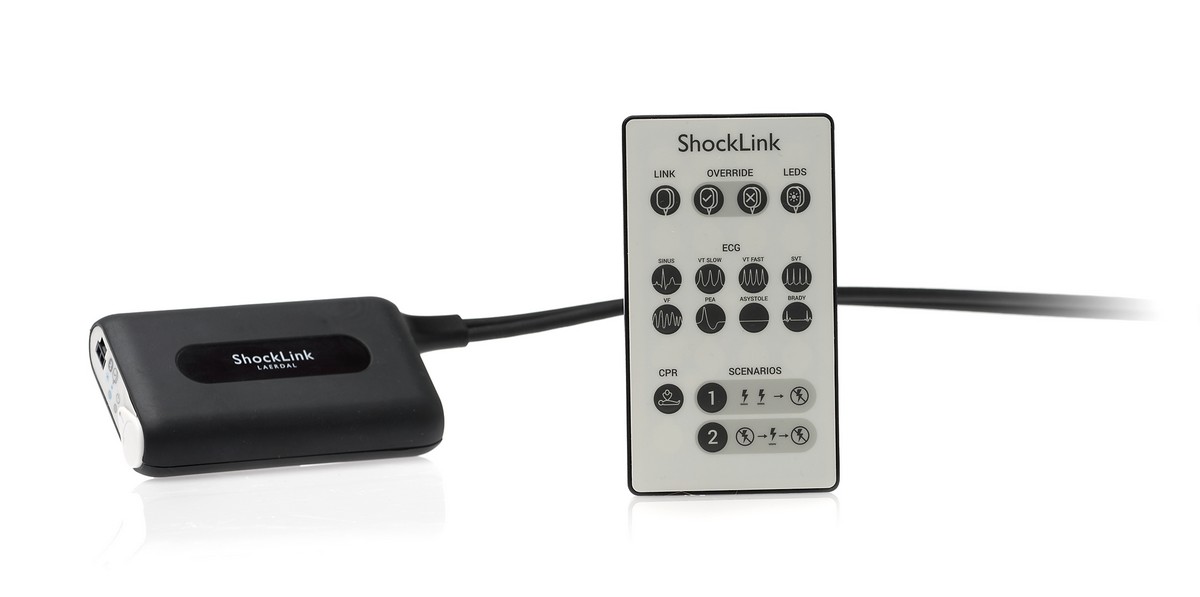
Aim to maximize realism by conducting training in the actual environment. Use a realistic manikin that provides detailed performance feedback, like Little Anne or Resusci Anne QCPR. Pair it with an AED Trainer that integrates seamlessly with the manikin. Or, if you prefer to use your own equipment, the ShockLink device allows your team to train with your live defibrillator.
Together, these elements will create a training experience for your team that feels authentic, immersive, and fully realistic.