Hvordan kan du bruge simulering til at identificere og løse systemniveauproblemer?
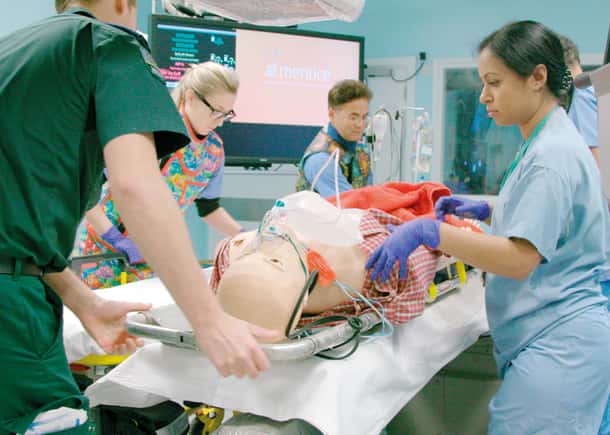
Simulation er bedst kendt for at hjælpe enkeltpersoner med at opbygge færdigheder. Men når det anvendes strategisk, bliver det et effektivt værktøj til at identificere systemfejl, samskabe løsninger og integrere sikrere og mere pålidelig pleje på tværs af hele sundhedssystemer. Det omsætter bogstaveligt talt simulationsindsatser til resultater, der går ud over individet og påvirker en organisations samlede præstation.
Dr. Victoria Brazil
Direktør, Bond Translational Simulation Collaborative; Professor i akutmedicin og direktør for simulation, Bond University

Sundhedssektoren har længe benyttet sig af simulation til at træne klinikere. Dette gælder især for højt risikofyldte eller sjældne hændelser, som dem behandlere oplever inden for obstetrik, akutafdelingen, neonatalspecifik behandling og intensivafdelingen. Simulation er et effektivt værktøj til at opbygge færdigheder som muskelhukommelse, selvtillid og kritisk tænkning.
Men hospitaler opdager i stigende grad, at præstationssvigt ofte ikke skyldes mangel på færdigheder eller viden. De skyldes systemmæssige nedbrud:
Disse problemer kan ikke løses med mere træning. De kræver en metode, der gør det muligt for dig at se systemet i aktion—og simulation giver dig netop dette.
- Dr. Andrew Petrosoniak MSc (Med Ed), FRCPC,
Akutlæge og leder af traumeteamet på St. Michael’s Hospital i Toronto, Canada

Kort sagt kan simulation bruges ikke kun til at øve inden for systemet, men også til at forbedre selve systemet.
Denne tilgang—often kaldet translationel simulation—fokuserer på at bruge simulation til:
Til forskel fra traditionel træning fokuserer disse indsatser på at lære om systemet, ikke kun den enkelte.
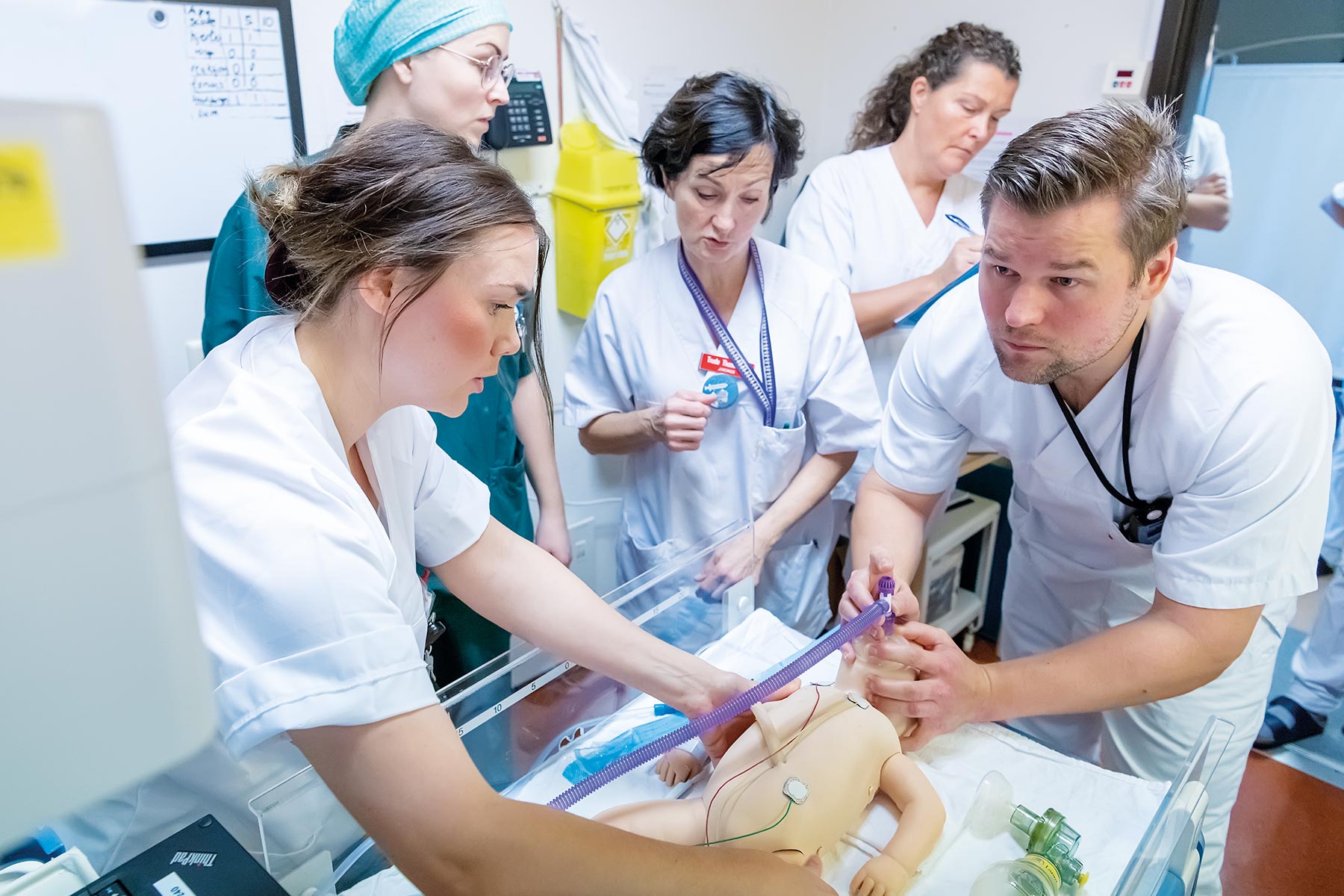
En pædiatrisk akutafdeling på et stort amerikansk hospital gennemførte in situ simulationer for at evaluere beredskab ved nødsituationer. Deres simulationer afslørede sikkerhedstrusler inden for:
Dette var ikke spørgsmål om viden eller færdigheder, men om proces- og systemdesign. Som resultat opdaterede teamet layout, kommunikationsprotokoller og ressourceadgang—hvilket bidrog til over 1.000 på hinanden følgende dage uden sikkerhedshændelser.3
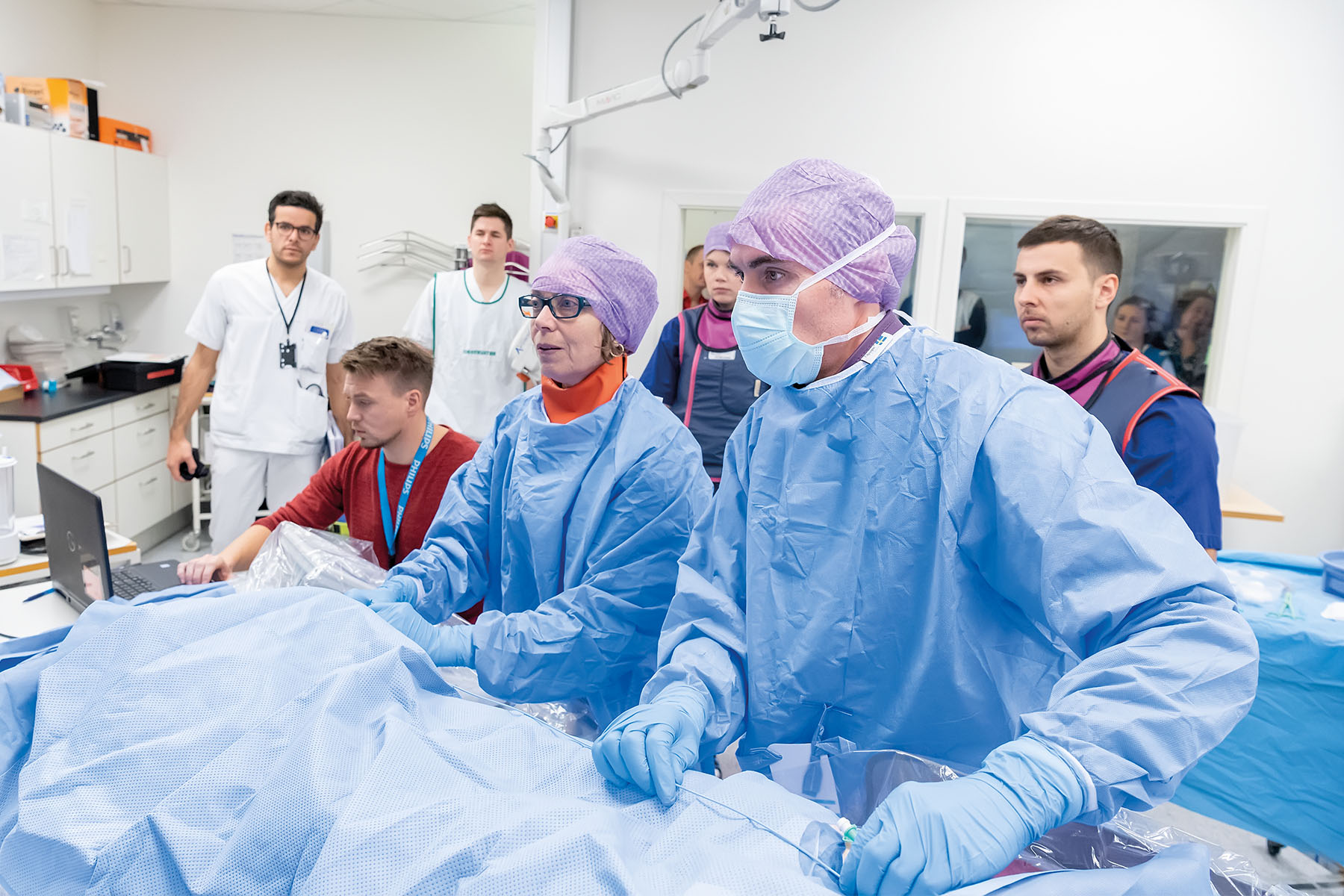
Inden færdiggørelsen af en ny traumestue brugte Dr. Andrew Petrosoniak og hans team simulation til at teste layout og teamflow.
“Vi mener, at vi bør simulere scenarier som en måde at teste udstyr og pladsen og sikre, at det fungerer, som vi forestiller os. Vi gør dette, så vi ved, når vi åbner for patientbehandling, at alt er klar til brug,”4 sagde Dr. Petrosoniak.
Som resultat blev over 150 latente sikkerhedstrusler adresseret—før en eneste patient trådte ind i rummet.
“St. Michael’s er virkelig foran på området ved at inddrage det kliniske team i designet af rummet på den måde, de gjorde. Vi er taknemmelige for Operational Readiness-teamets sikkerhedsorienterede tilgang og for, at vi har et simulationsprogram, der kan understøtte denne type arbejde,”5 siger Dr. Petrosoniak.
Et simulationsbaseret kvalitetsforbedringsinitiativ på tværs af 12 landhospitaler afslørede huller i protokoller for fødselsblødninger. Simulationer viste forsinkelser i transfusion, inkonsekvent brug af blødningsvogne og uklare roller under eskaleringer.
Efter simulationen:
En fødselslæge fortalte:
“En uge efter at vores fødselsteam gennemførte træningen, havde vi [en reel fødselsblødning]… simulationen var uvurderlig.”6
Udfordringer på systemniveau |
Simulation indsigt |
| Inkonsekvente responstider | Viser faktisk tid til indsats under pres |
| Fejl i kommunikation | Afslører mangler i eskalering, kommunikation og brug af SBAR |
| Dårlig udstyrslayout | Afslører ineffektivitet ved adgang til kritiske værktøjer |
| Mangelfulde protokoller | Muliggør test og optimering inden implementering |
| Uklar rollefordeling | Hjælper med at tydeliggøre ansvar under kritiske hændelser |
Her er en praktisk vejledning for simulationsledere, kvalitetsansvarlige og kliniske teams:
Start med et reelt problem
Vælg et område med kendte sikkerhedsproblemer eller variation i præstation—som forsinkede strokealarmer, overførsler til neonatale intensivafdelinger, post-partum blødning eller noget, der tydeligt skiller sig ud som en tendens i din afdeling.
Kør in-situ simulationer
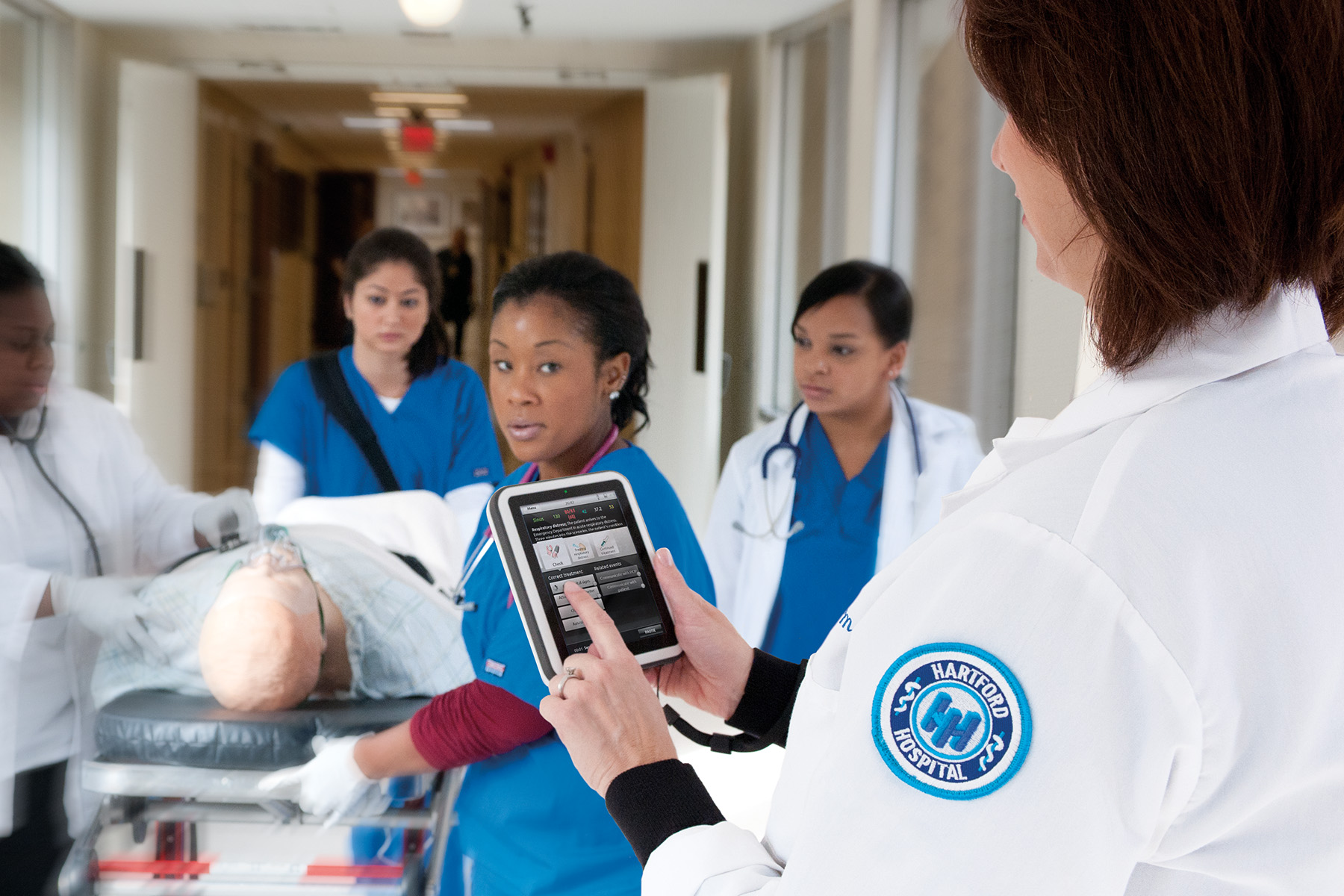
Simuler hændelser i den faktiske plejeomgivelse med det reelle team. Observer, hvordan systemer reagerer—ikke kun enkeltpersoner.
Identificer latente sikkerhedstrusler
Brug trænede observatører til at opdage problemer på systemniveau. Fang problemer som dårlig indretning, opgavereundans eller uudtalt forvirring.
Samsamtal med frontlinjepersonalet
I stedet for en top-down-analyse, inviter alle roller til at drøfte, hvad der virkede, hvad der ikke gjorde, og hvad der skal ændres.
Forfin systemet
Tilpas arbejdsgange, politikker eller miljøer. Simuler derefter igen for at teste den nye løsning.
Mål og gentag
Følg resultater—responstider, kommunikationsklarhed, tid til medicin—og gentag simulationer for at forstærke ændringer.
Simulation er ikke kun et træningsværktøj—det er en multiplikator for systemforbedring. Brug det til at afdække, hvad der virkelig sker i dine arbejdsgange, rette det, der er ødelagt, og opbygge sikrere og mere effektive plejesystemer.
Systemfejl er ikke altid tydelig på papir. Men simulation kan gøre den synlig—og mulig at løse. Begynd at bruge den til at redesigne pleje, der fungerer bedre for patienter og de teams, der betjener dem.
Klar til at gentænke dit næste QI-initiativ? Kontakt os for at udforske, hvordan du kan komme i gang med simulation.