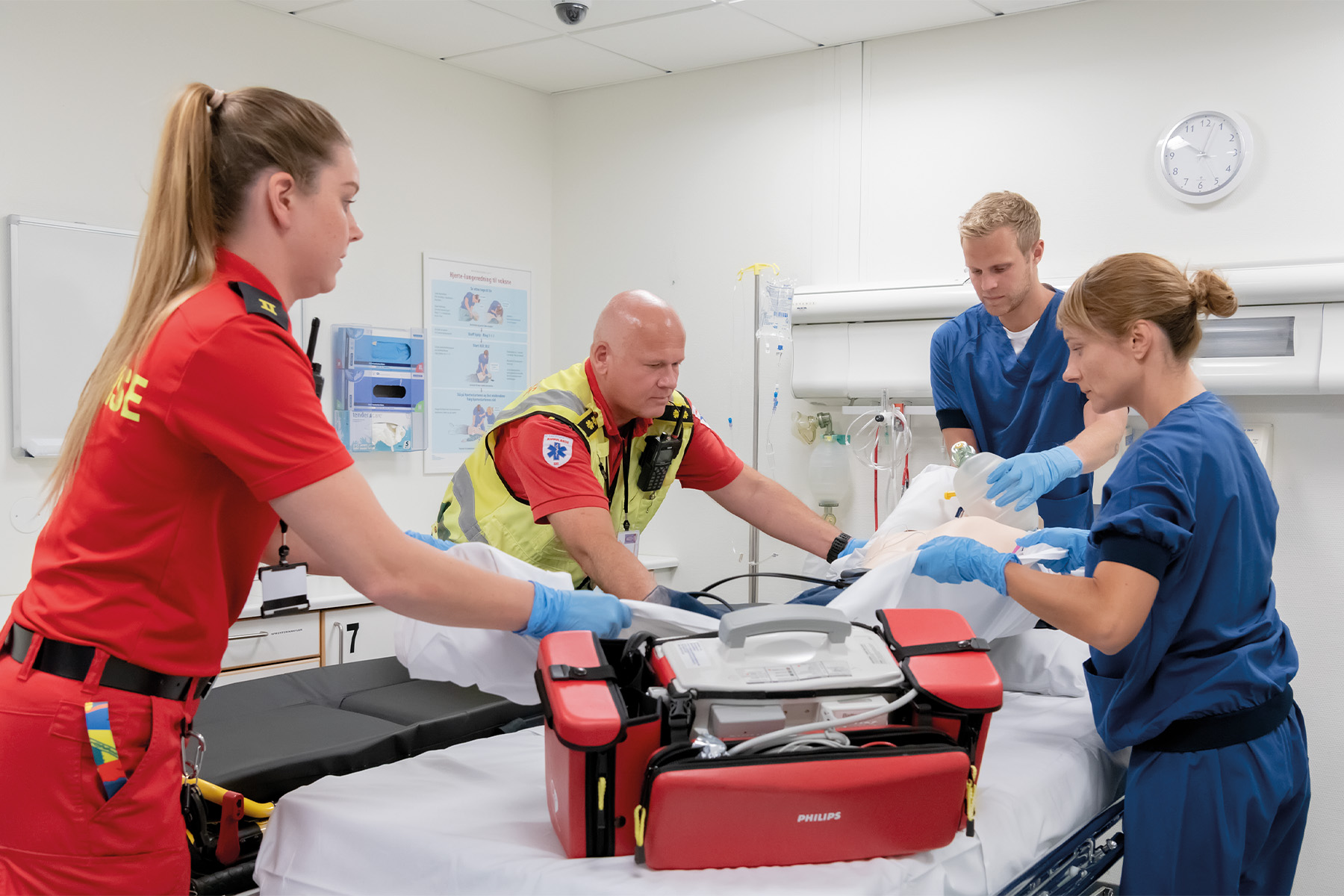
If you're a healthcare educator, your goal is to prepare current or future clinicians for moments when time is short, conditions are uncertain, and every action carries weight.
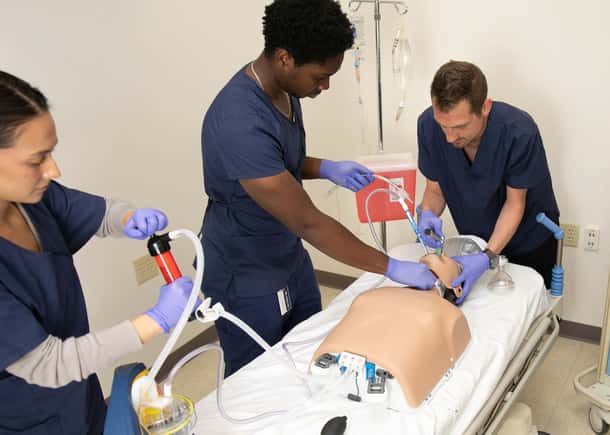
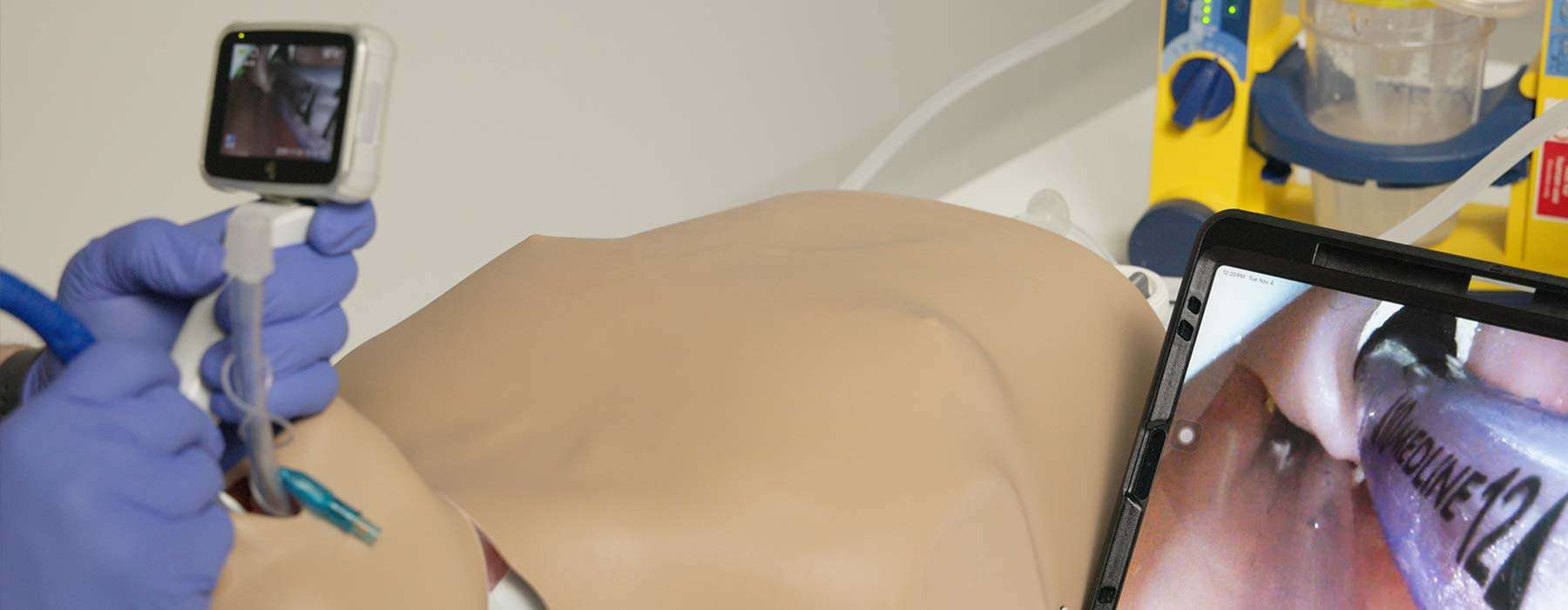
In the real world, you know that airways are often contaminated with blood, vomit, or other secretions. Yet, traditional airway management education often doesn't include training focused on contaminated airways.1
For many providers, their first encounter with a messy airway happens in a critical patient situation. This can increase stress, errors, and delays. The first time your learners face that reality should never be with a live patient.
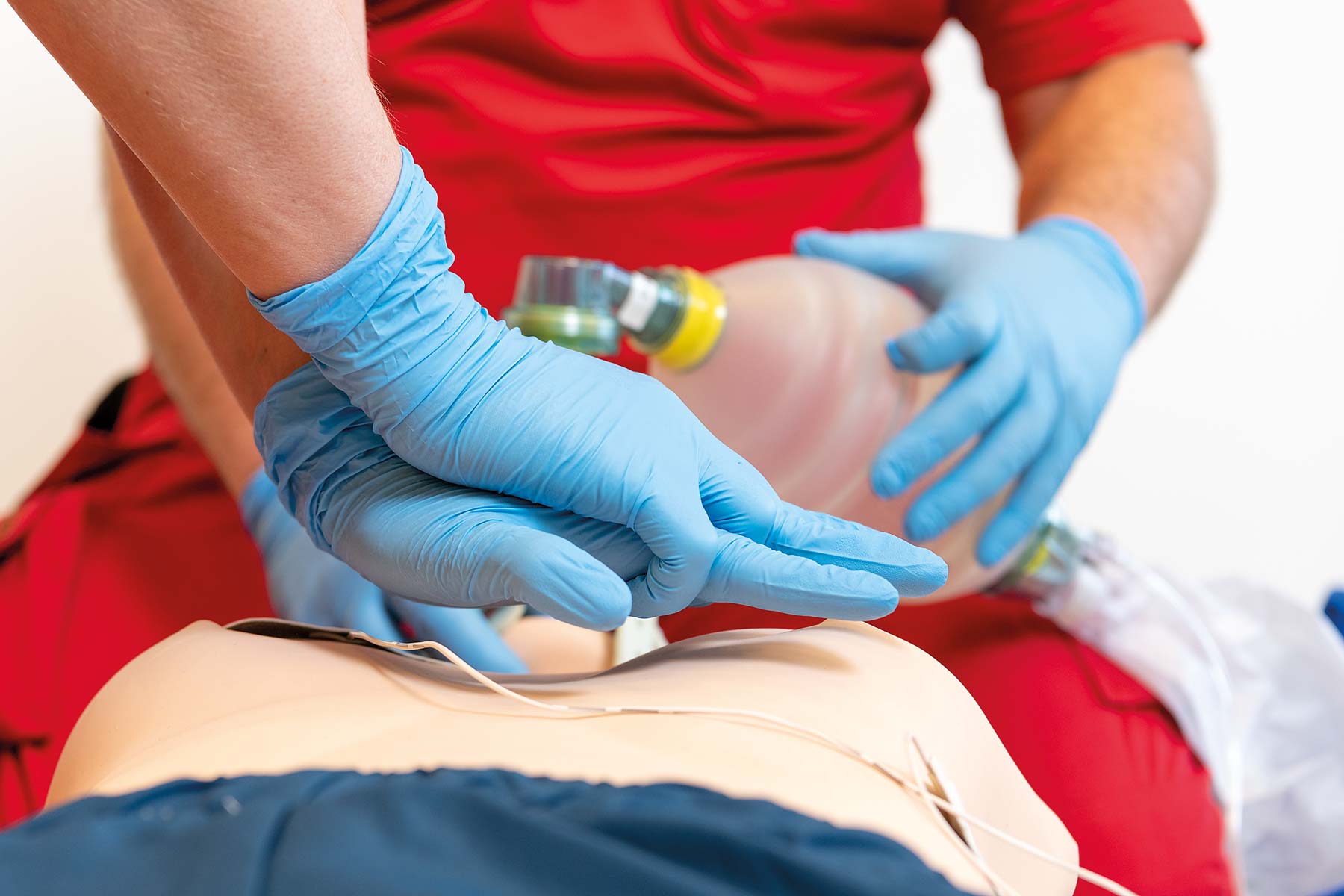
Simulation can help you bridge the gap between textbook knowledge and the clinical unpredictability of airway management through realistic, repeatable practice.
Simulation has been shown to be effective in improving clinicians' airway management skills.2
Simulation allows your learners to practice, adapt, and build confidence safely through repeated exposure, with immediate feedback on their technique and decision-making.
In this article, we explore the impact of contaminated airway training, strategies for effective airway management, and how you can efficiently create meaningful simulation experiences that prepare your learners for real-world challenges.