Gå vidare till

How Dominican University Built CPR Competence with a Low-Dose, High-Frequency Model

An interview with Dr. William Zic

In this interview, Dr. William Zic, Associate Professor of Nursing at Dominican University, shares how his team embedded a low-dose, high-frequency Resuscitation Quality Improvement® (RQI®) model into their BSN program.

He walks through the challenges they faced with skills retention, how real-time feedback changed student behavior, and what it takes to implement a sustainable, curriculum-integrated approach to CPR training. 


William Zic, DNP, MSN, RN 

Associate Professor of Nursing at Dominican University 

William Zic


Watch the video or view the transcript below. 

Tell us about yourself.

“Hi, I’m William Zic. I’m an associate professor of nursing at Dominican University. I work very closely with our simulation team as we integrate our high-value skills into our curriculum.

Our setting is a pre-licensure BSN undergraduate nursing program, and we embed RQI curriculum into our medical, surgical, and pediatric coursework. This strengthens our CPR competence and confidence for our students using a very structured and repeatable approach.

Our research has really focused on CPR efficacy and competency using repeated procedures and objective feedback to close the gap between being certified and truly being ready.” 

Before you implemented RQI, what specific CPR or skills retention challenges were you seeing in your nursing program? And why did a low-dose, high-frequency model like RQI make more sense than the traditional biennial CPR certification? 

Dr. Zic: “We were really trying to achieve that familiar issue in nursing education skills, where we had variable confidence in our students who practiced CPR infrequently. So, as you know, traditional CPR certification is a common two-year cycle.” 

"But the evidence suggests, and our experience suggests, that it’s not enough to have a two-year cycle for high-quality CPR performance when it truly matters."

“RQI’s low dose, high-frequency structure is what we used to reinforce our competency development from a smaller, repeated practice with immediate feedback. This allowed learners to correct their techniques in the moment, and then build durable competence and confidence over time.” 

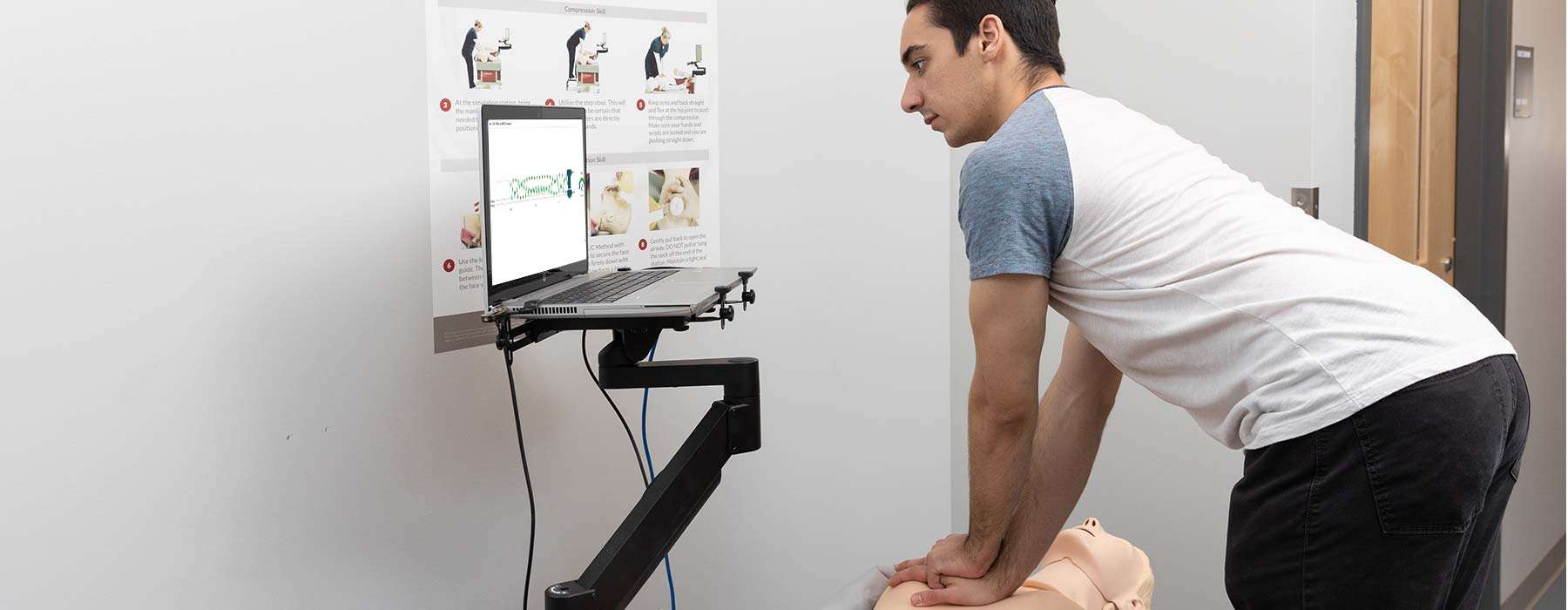
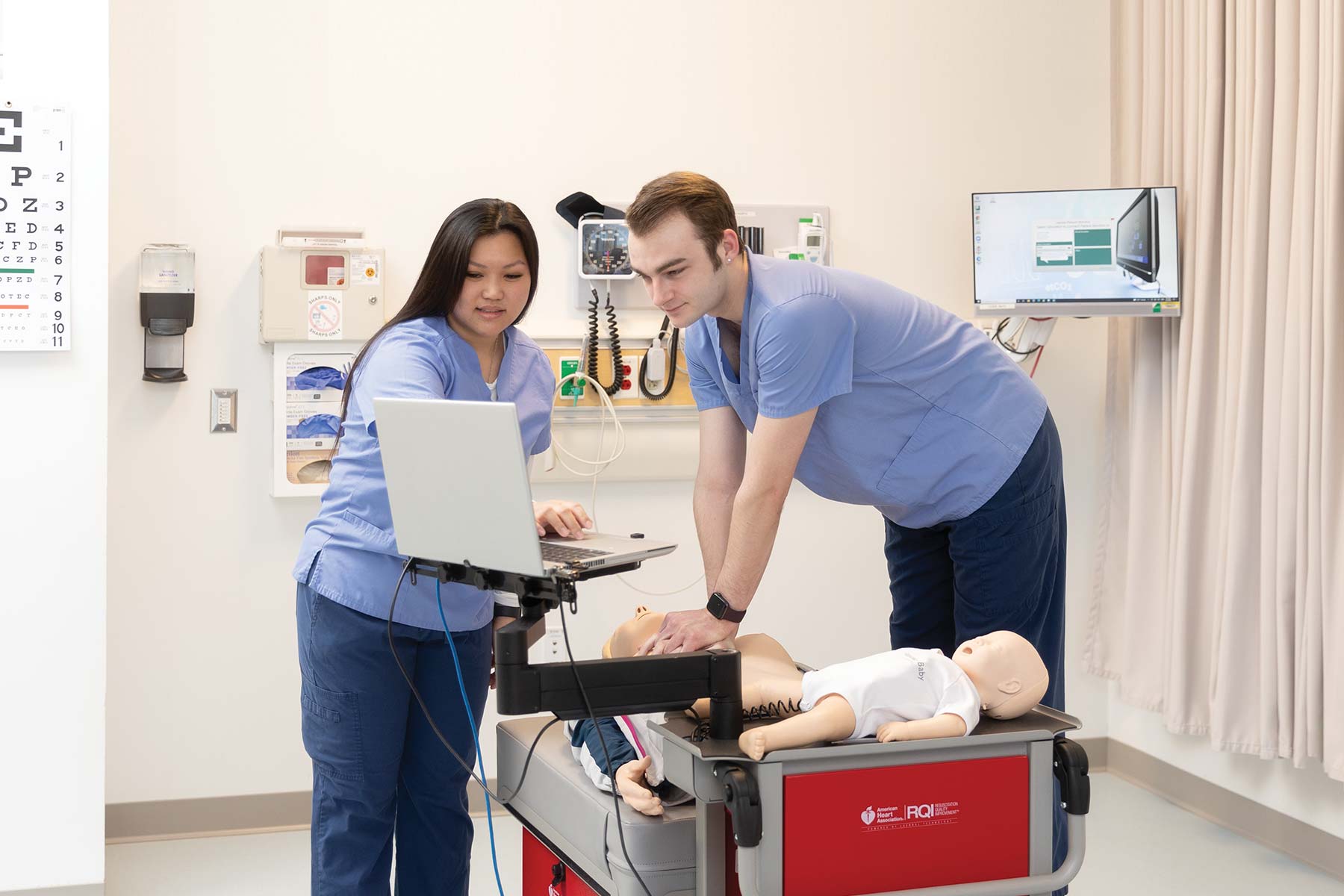
A man practicing CPR on a manikin.

Can you walk us through what a student experience is with a single RQI session?  

Dr. Zic: “In a typical session, our students completed first a brief cognitive component, and then they moved into the hands-on practice using the RQI manikins.

They received real-time feedback, and this allowed them to perform frequent compressions and ventilations. So the instant feedback here, I believe, is key.

Students were allowed to adjust that technique immediately, rather than waiting for an instructor to find them and tell them what they needed to correct.  

In terms of time, we designed this to be realistic for our busy students, and it’s really meant to be repeatable to reinforce efficacy, and our students generally completed this in one sitting, which was repeated every 90 days.” 

Were there any issues with the students accessing their eLearning or did they find it straightforward?

Dr. Zic: “Our students enjoyed this immensely. They did find it very straightforward. We had a link that was embedded into each one of our courses that were involved, and students simply clicked on and registered for the program, and then proceeded to go to our simulation labs during their skills lab or lab time to perform the hands-on portion of this training.” 

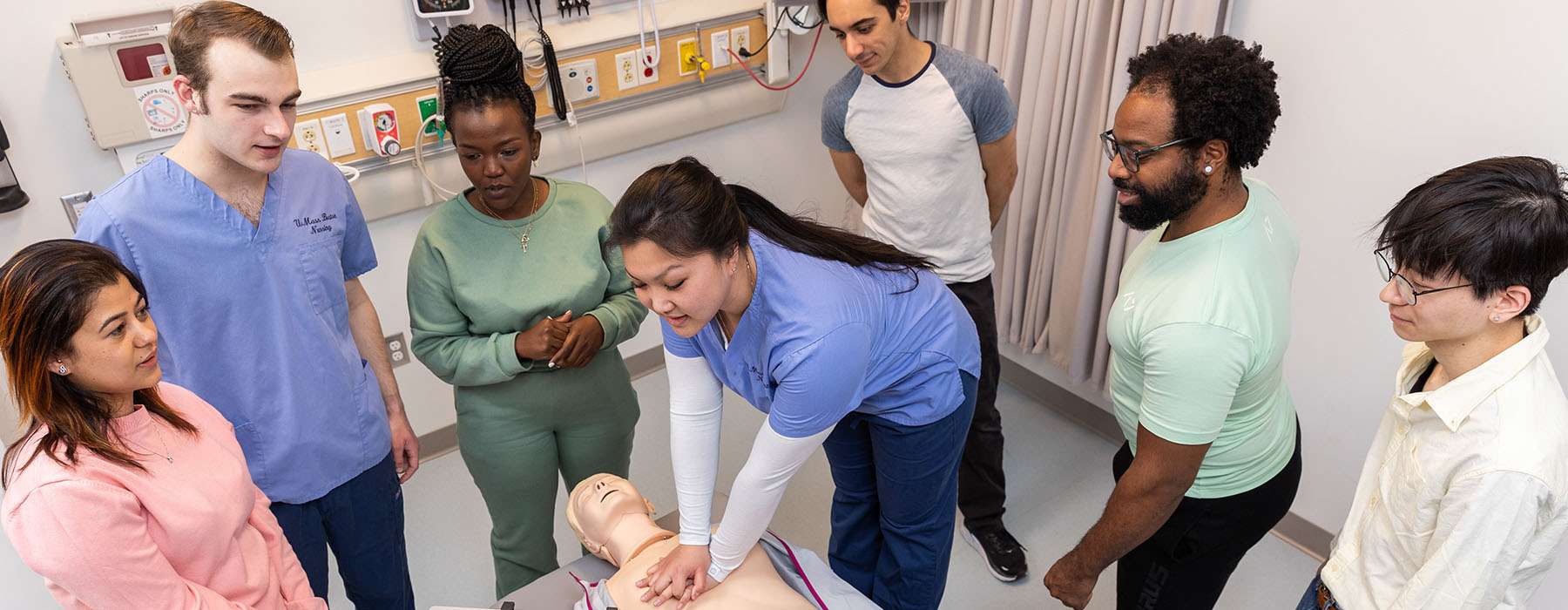
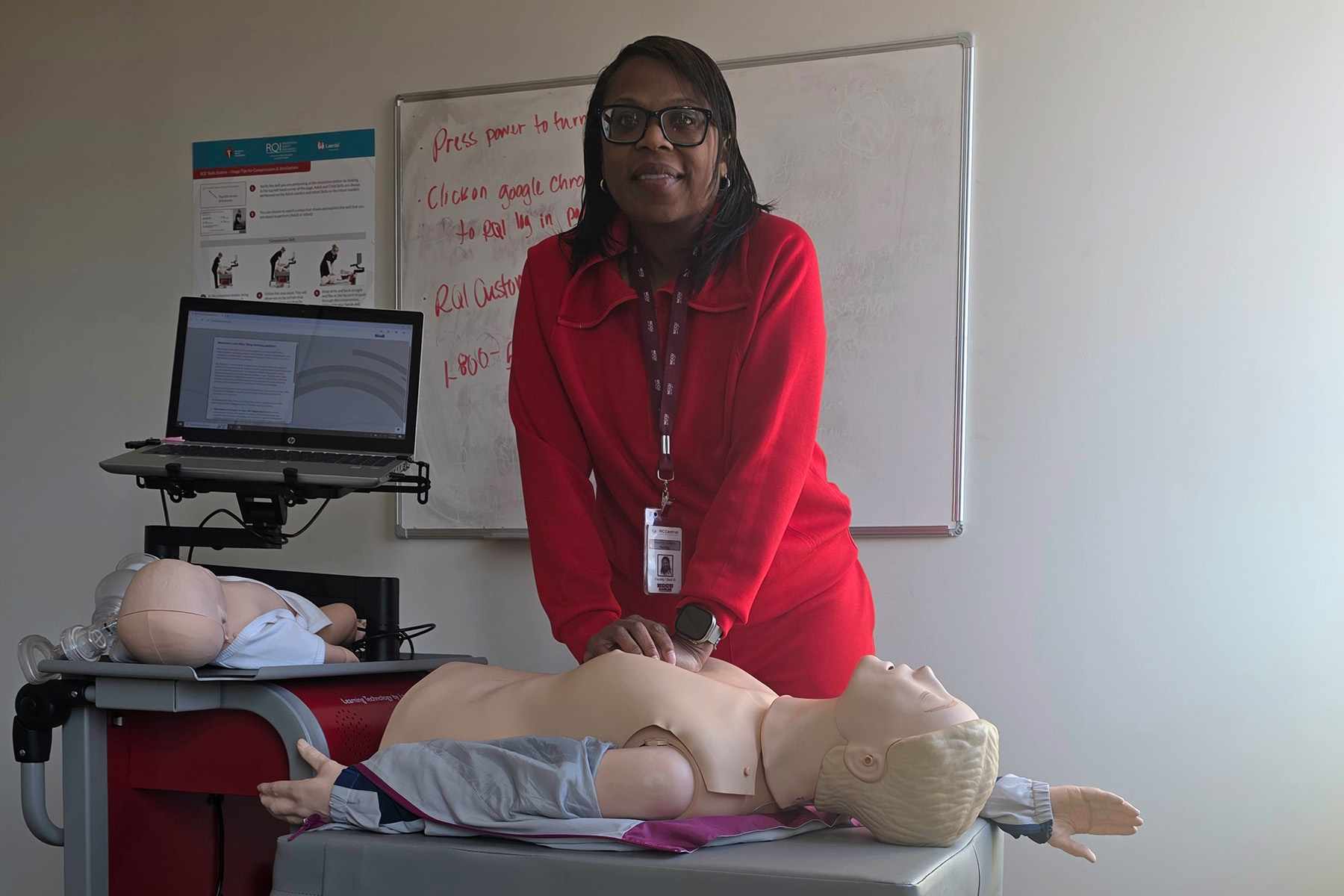
Group of nursing students attending a CPR group training session using a manikin.

How do you integrate RQI into your curriculum?  

Dr. Zic: We embedded this directly into our medical, surgical, and pediatric courses, and the program expectation was that students would follow up after initial training at least once every 3 months in our simulation education center as the primary site. This made it very realistic for students to simply go down to the sim lab, either during their skills sessions or when they had time. They simply just filled out a time slot, and went. It worked very smoothly. And this actually set a very predictable practice for many students.

And the expectations were communicated early so that students had time to plan, and when they then aligned their completion and their course cadence with this RQI program, it really became a large part of their learning pathway from junior year all the way in and through senior year.

Now, the biggest design principle was integration, but it lives inside of our courses. It’s embedded right, again, in the med-surg and pediatric courses.” 

What did the faculty and staff need to do to keep the program running?

Dr. Zic: “We approached this implementation as a team effort. Now, our faculty, staff, and the students all had roles, so this collaboration mattered because this platform brought together workflow discussion. It also brought together issues of troubleshooting and other communication needs.

Now, on the support side, the faculty and staff role was really to keep the process running smoothly, or as smooth as possible.

We had to, as faculty and staff, orient the learners, maintain the scheduling, and then using that feedback that students gave us upon completion to see how we could further support the experience at least every 90 days until students graduate.” 

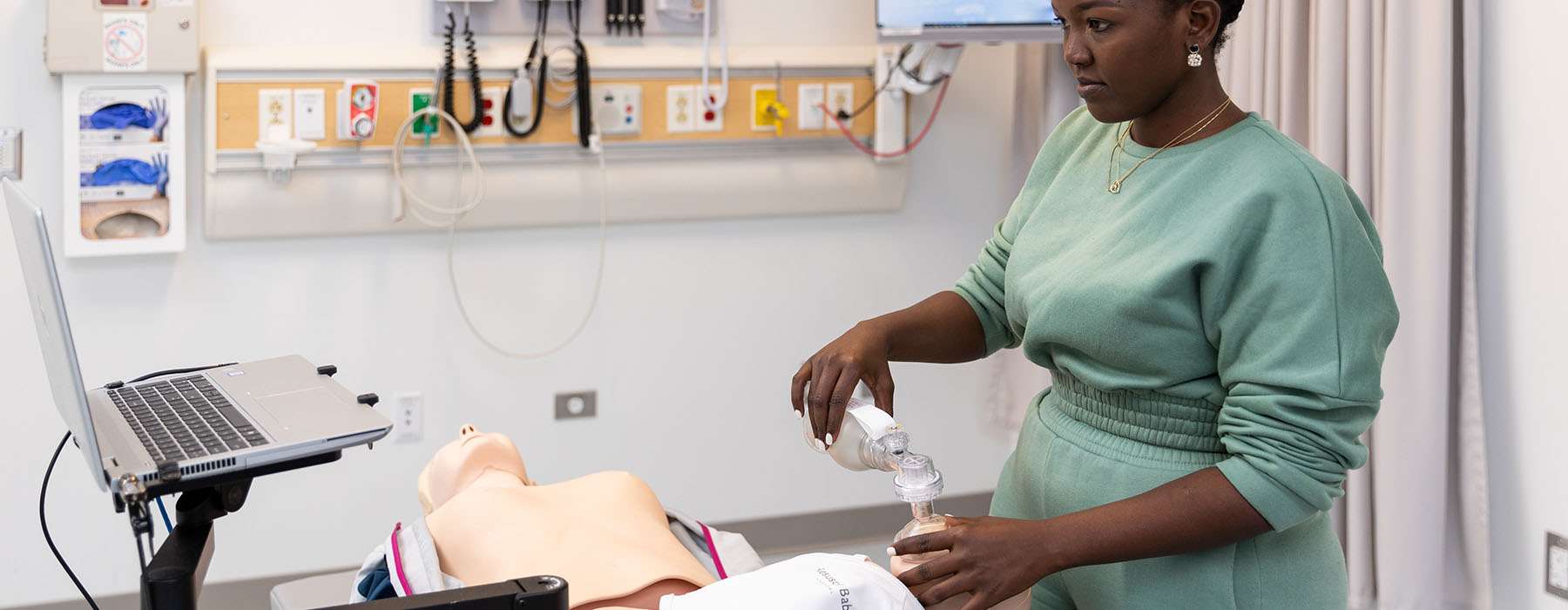
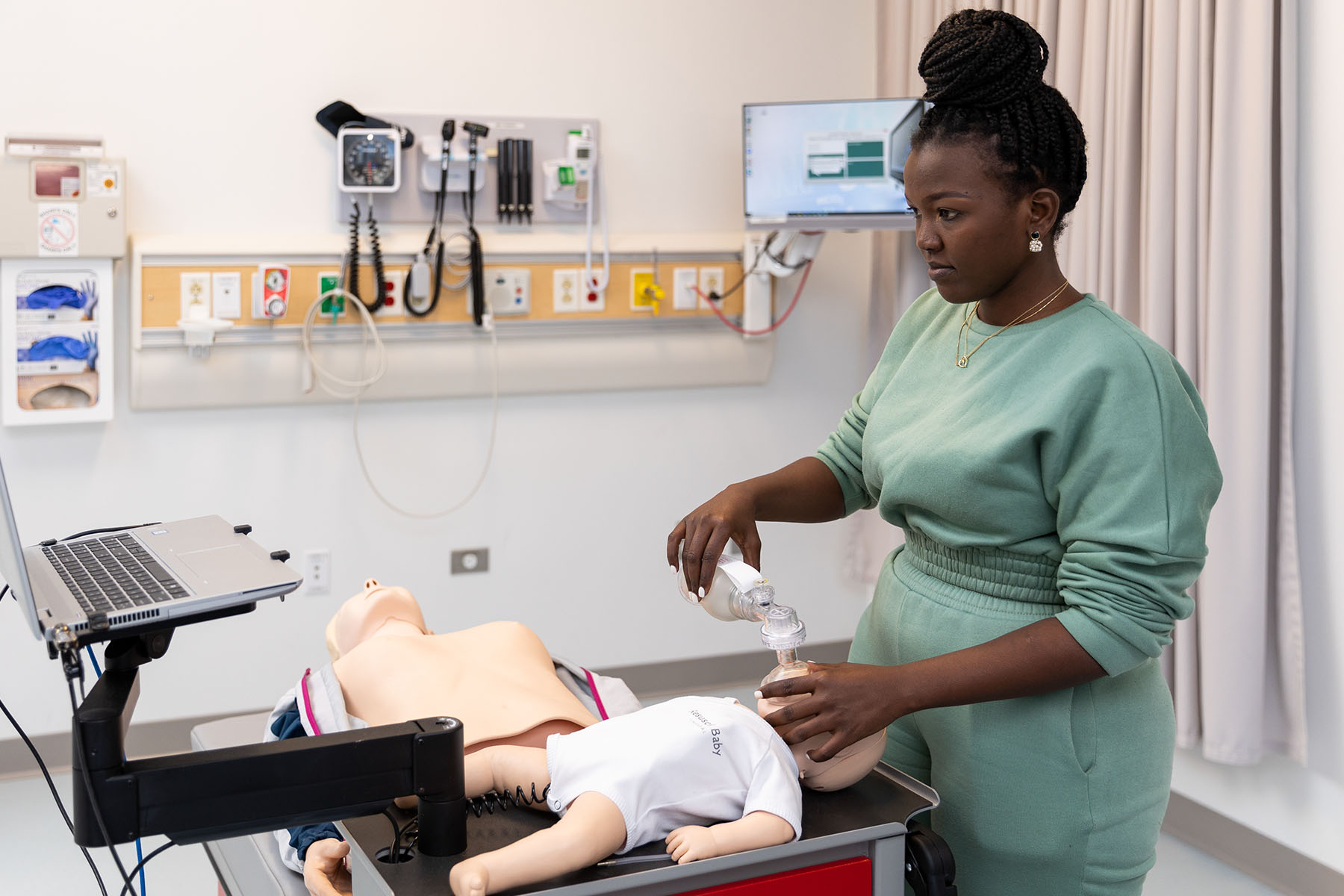
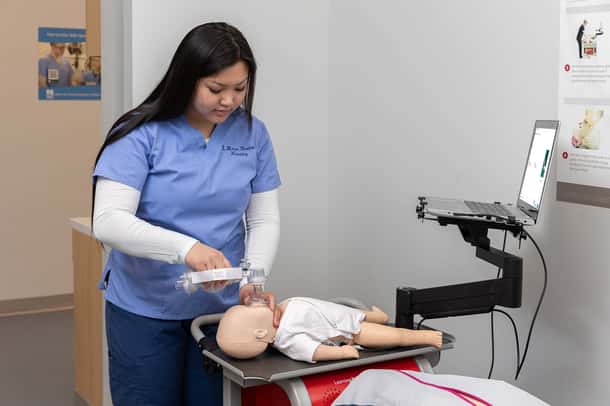
Nursing student training on a BabyAnne manikin.

What CPR or clinical skills improved the most, and what do you think drove those gains?

Dr. Zic: “On the performance side, we focused on the mechanics of CPR, because we found that that really matters the most. So, compressions and ventilations.” 

"We compared baseline performance levels to the performance after RQI’s real-time feedback was provided, and it was very clear that that feedback tremendously helped students to correct that technique."

“In our academic training, the technique areas really emphasize compression and ventilation, including the rate and the depth. correct hand placement, the volume of breaths that might be given, because these are exactly where learners with hands-on benefit from this objective, like, in-the-moment correction.” 

What early indicators should you monitor to determine whether a new RQI program is gaining traction?

Dr. Zic: “I watched 3 indicators. First, completion reliability. This is where students were actually getting their quarterly touchpoints that were done consistently.  

The second was performance trends. Now, we saw less variability and fewer repeated technique errors as the learners cycled through this practice.

Third, we had learner behavior and feedback, where students reported when they did not understand what to fix, and when they needed to feel more confident about approaching CPR practice As it is. So then, we used those signals to really adjust and tighten scheduling windows, we refined the orientation for our students, and then added our targeted support levels when students got stuck.

There were faculty that were present during all of the training sessions, every single one, from start to finish.” 

You shared that faculty noticed students were more engaged and showed up ready to work on specific technique fixes, instead of just repeating the same practice. What do you think helped create that change in behavior? 


"By far, I have to say that the biggest shift that we saw was the real-time feedback. It turns practice into targeted coaching."

“Now, instead of repeating CPR the exact same way every single time that students came down to the simulation lab. They would come in instead with a very clear and specific goal to adjust their rate, or to adjust their compressions.

That could have also improved the depth of compressions or correct hand placement, again, as I alluded to earlier. Just refining their technique. And we felt that this really creates a purposeful environment, and it makes practice feel much more efficient, and it matters a lot to these students who are very busy and very stressed as they became more and more comfortable.” 

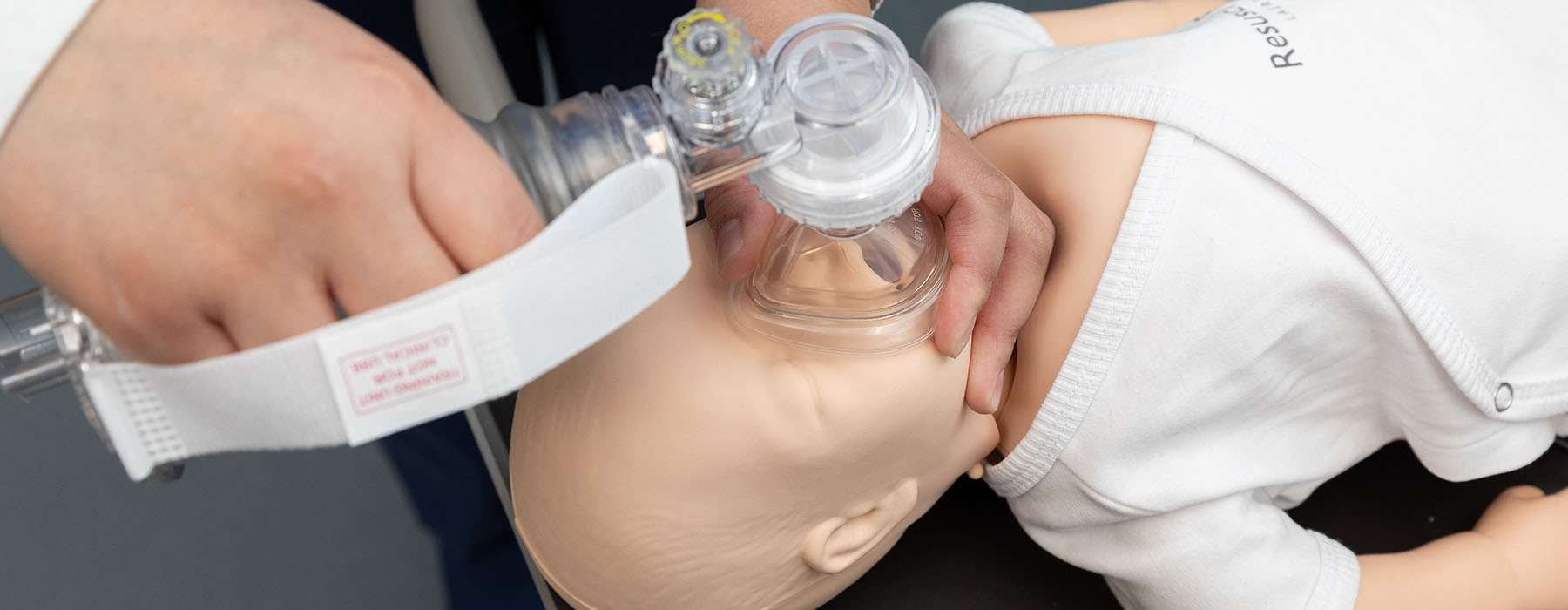
Closeup of CPR training on a baby manikin

There are other health sciences programs at Dominican, so how does getting them started with RQI compare to your initial setup with the nursing program?

Dr. Zic: “Well, I think that this kind of ties into some of the biggest lessons, I believe, that we learned. 
 
Integration and communication behind it all is really the key. So, supporting the nursing program was great, but we also have physician assistant programs, we have a nutrition program, and we also have a social work program.  
 
Now, these individuals, we collaborate yearly or annually with an IPE progress and interdisciplinary simulation, if you will, where we all get together.  
 
And this integration that we have ties in beautifully with RQI because expectations are unknown from a PA or a social work, or a nutrition perspective.  
 
And our academic calendar, it’s really not optimal for many of these other programs to just walk down to the sim lab anytime they want. So, keeping it structured and keeping us all in communication meant speaking with each other very early to discuss this program about specifically the competence and or expectations that they that we may have for them going through a program such as this. So, it’s not just for them checking a box.  
 
If I were to start this over, I think that I would put this program a little bit earlier in orientation with all of our science disciplines together, not just nursing. And I think that this would allow for further support, not just for the program. 
 
But for our college and the university as a wide play, so that this playbook, if you will, would be very effective, and everyone would know exactly where they needed to be, and when they needed to be there.” 
 

If another nursing program or health sciences program wanted to replicate what you did, what parts of your setup were must-haves that really made it work? Or what would you suggest doing differently?

Dr. Zic: “I would say that the must-have is to embed it into your curriculum, because ours lived within med-surg and pediatrics. We were able to monitor this very closely on a quarterly basis.  

Number two, we could secure, perhaps, a consistent practice site, and ensure that the workflow and our simulation center were at the heart of it all. So these together build a very small but effective implementation team that really includes the students, the faculty, other staff that work at an organization, and it allows for a student to voice back, not just to faculty, but perhaps other staff.

And I think that once you anticipate these barriers, if you’re trying to implement a program such as this in academia, that I would say that the outcomes would be very much student experienced and very friendly.” 

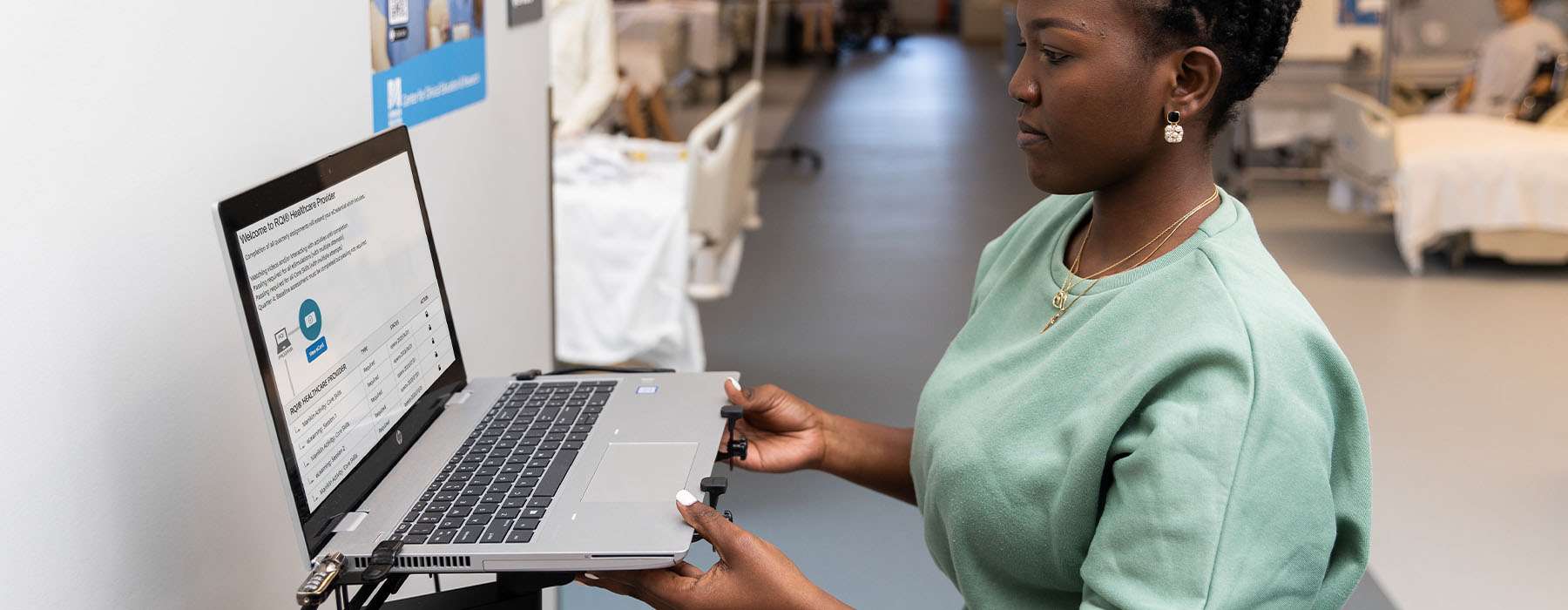
A nurse in training looking at a laptop screen

What would you say is the single most important takeaway you would share with nursing educators who are thinking about implementing RQI?

Dr. Zic: “My key takeaway is that if you want CPR competency and confidence and not just certification, then follow this model, because it really supports repeated practice and objective feedback.” 

"Low-dose, high-frequency training aligns beautifully, remarkably, with any competency-based program or educational offering. It’s measurable, it’s repeatable, and it’s focused on closing specific performance gaps over time."

Key takeaways


  • Frequent CPR practice builds stronger competence than certification alone.
    Students reinforced skills every 90 days instead of relying on a traditional two-year certification cycle.
  • Real-time feedback helps students correct technique in the moment.
    Immediate coaching enabled learners to improve compression rate, depth, hand placement, and ventilations during practice.  
  • Curriculum integration is critical for long-term success
    Embedding RQI into medical-surgical and pediatric courses made CPR practice a consistent part of the learning experience. 
  • Short, repeatable training sessions fit busy student schedules.
    The streamlined workflow made it easy for students to complete both eLearning and hands-on practice regularly.  
  • Tracking performance trends helps sustain improvement
    Monitoring completion rates, technique errors, and learner feedback helped faculty refine and strengthen the program over time. 

Frequently asked questions

What is low-dose, high-frequency CPR training?

Low-dose, high-frequency CPR training is an educational approach that uses shorter, more frequent practice sessions instead of relying on a traditional two-year certification cycle. At Dominican University, students completed RQI refresher sessions every 90 days to reinforce skills and improve competence over time.  

Why is frequent CPR practice important for nursing students?

According to Dr. William Zic, both evidence and experience suggest that a traditional two-year CPR certification cycle is often insufficient for maintaining high-quality CPR performance. Frequent practice helps students build confidence, retain skills, and correct performance gaps before they become habits. 

How does real-time feedback improve CPR competency?

Real-time feedback allows learners to immediately identify and correct errors in compression rate, compression depth, hand placement, and ventilations. This transforms practice from repetition into targeted skill improvement.  

How can nursing programs integrate CPR training into the curriculum?

Dominican University embedded RQI directly into its medical-surgical and pediatric nursing courses. Students were expected to complete quarterly practice sessions in the simulation center, making CPR training a routine part of their educational experience.  

What should nursing educators measure when implementing a CPR competency program?

Dr. Zic recommends monitoring three early indicators: completion reliability, performance trends, and learner feedback. These metrics can help educators identify barriers, improve scheduling, and provide targeted support where needed. 

What made Dominican University’s CPR training program successful?

The program’s success was driven by curriculum integration, structured quarterly practice, real-time feedback, simulation center access, and collaboration among faculty, staff, and students.  

How often should nursing students practice CPR skills?

In Dominican University’s model, students completed CPR refreshers approximately every 90 days. This recurring practice schedule helped reinforce technique and support long-term competency development.  

What advice does Dr. Zic have for nursing educators considering RQI?

His primary recommendation is to focus on competency and confidence rather than certification alone. He emphasizes that low-dose, high-frequency training is measurable, repeatable, and effective for closing performance gaps over time. 

You may also like...

Contact us to learn more about the RQI for Nursing Education Program

We will handle your personal contact details with care as outlined in Laerdal's Privacy Policy.

We will handle your personal contact details with care as outlined in Laerdal's Privacy Policy.