CBE and Simulation Beyond Academia
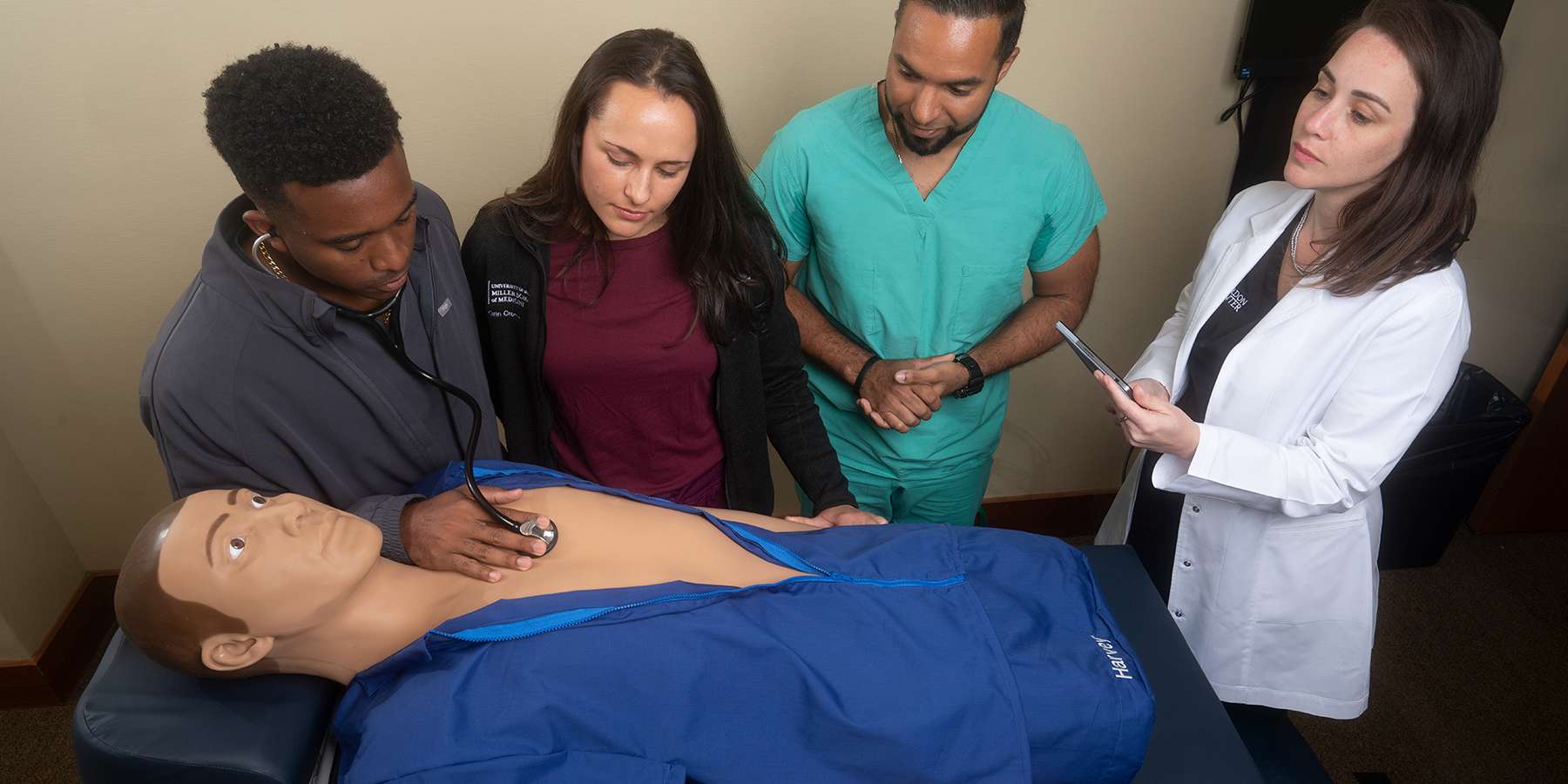
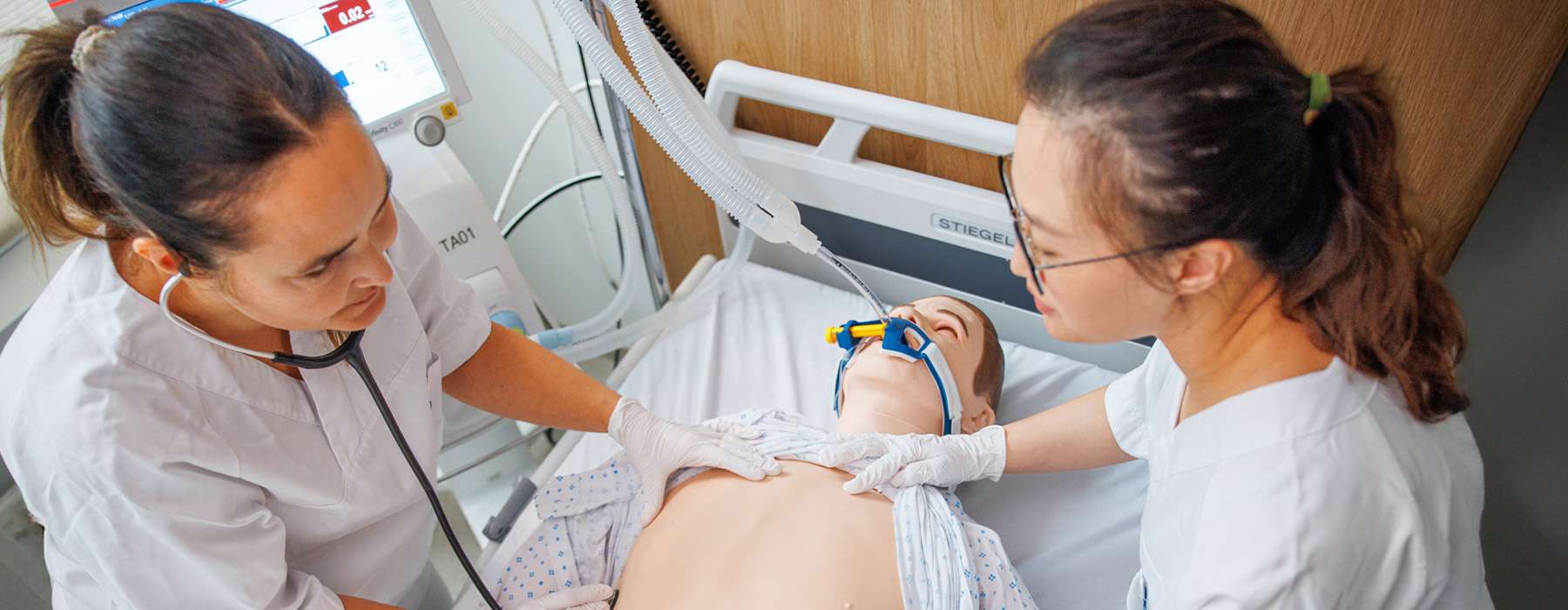
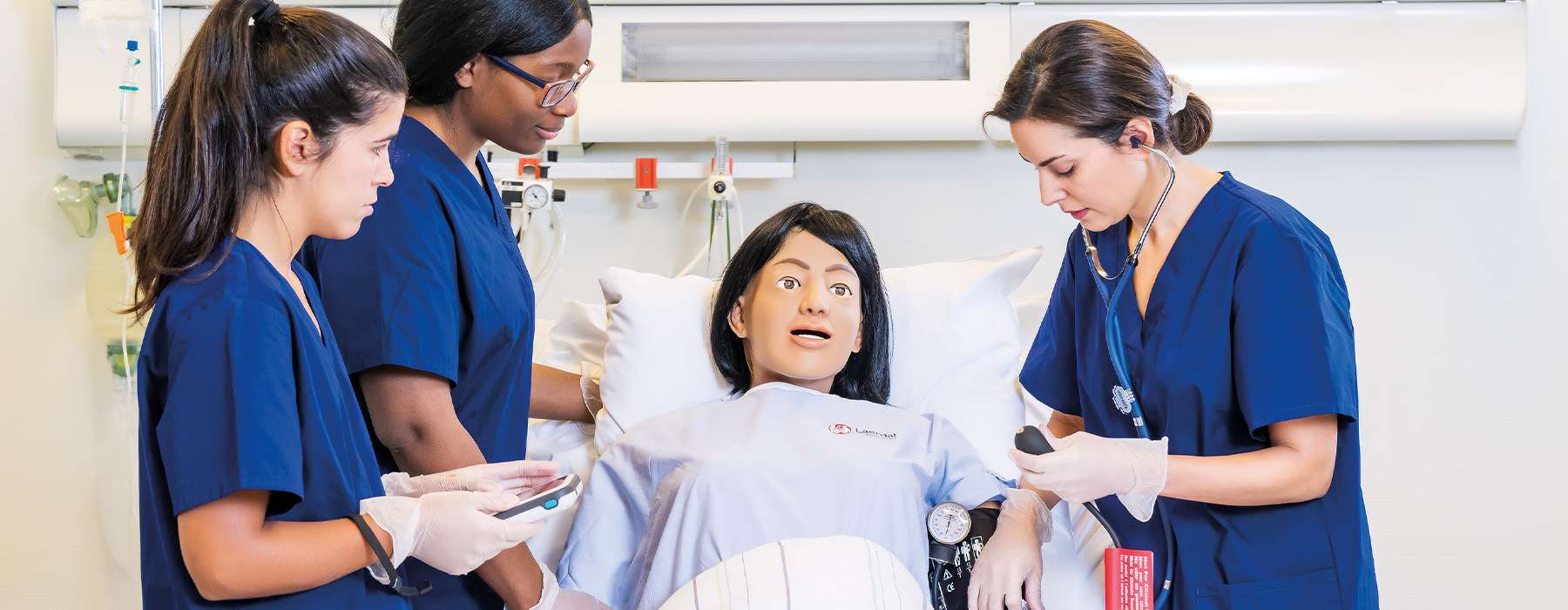
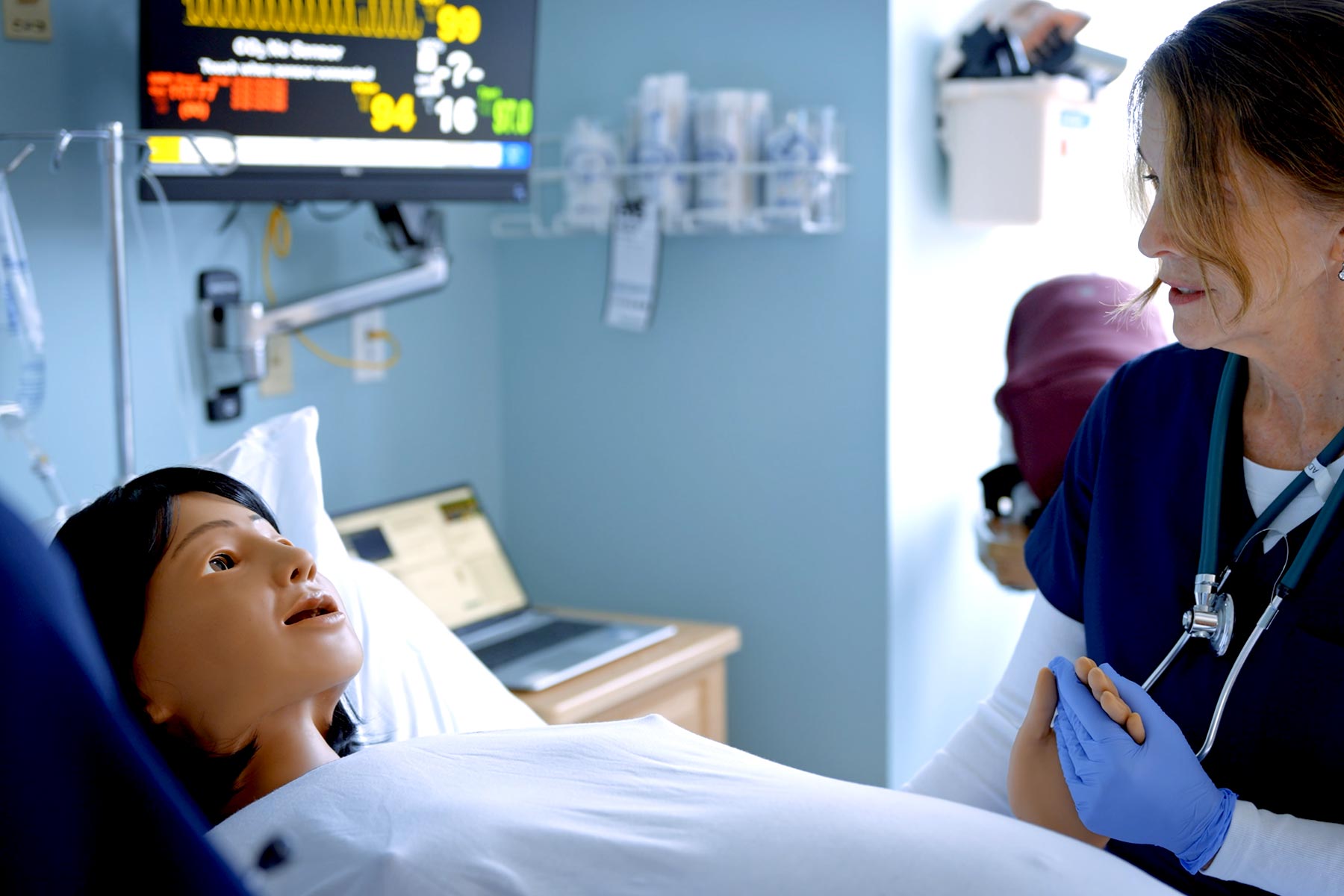
The move towards simulation-supported CBE isn’t limited to just universities. Hospital systems are increasingly incorporating simulation for new residency programs, attending physicians, and staff training. This is driven by the recognition that simulation, especially in situ simulation (or simulation that occurs in the actual environment), is an excellent way to provide exposure to critical skills in a real-world environment.
“I think it you're going to see it more and more,” Curtis said. “It's harder to know everything now. It doesn't matter what profession you're in. There's so much to know and to be good – and your exposure gets limited. I think simulation provides that opportunity.”
Resources and Challenges
Implementing CBE requires resources, both faculty and simulation staff. The amount needed depends on the scale and specific objectives. Creative approaches, such as reallocating resources and using cost-effective task trainers, can help manage resource constraints.
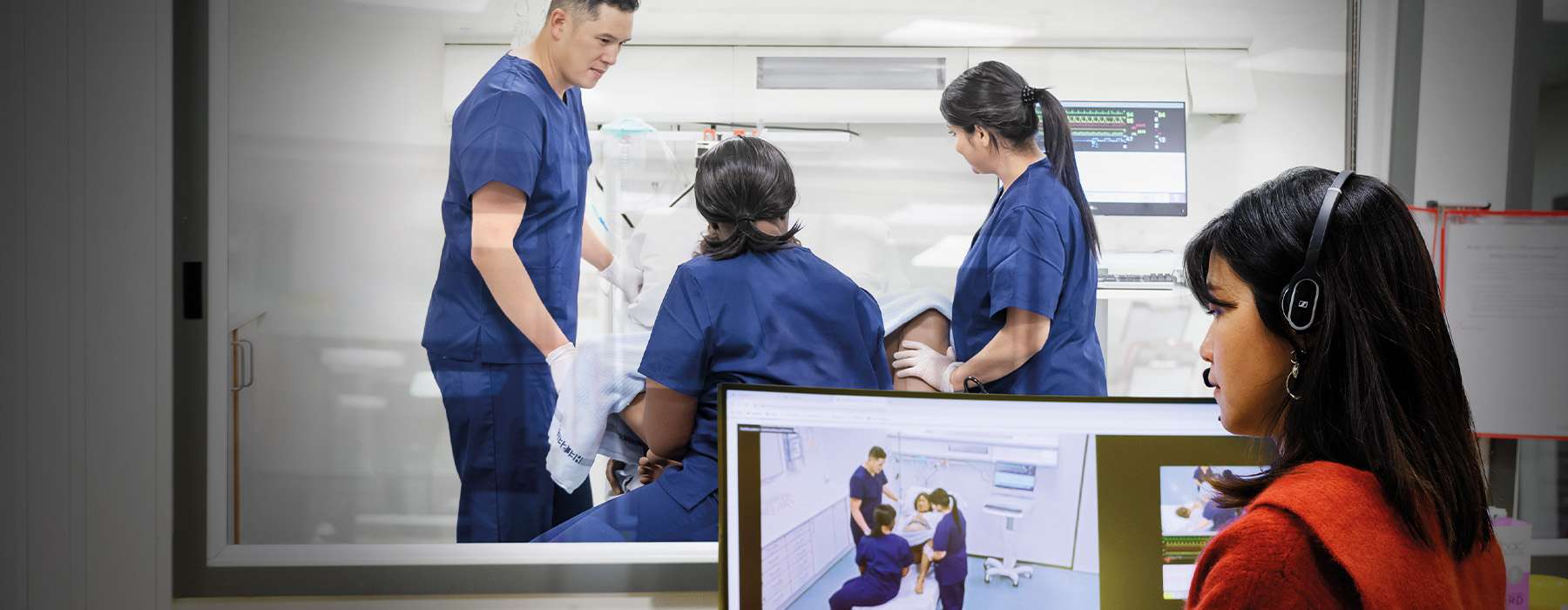
Finally, regulatory requirements around student privacy and record retention, especially when using AV recording for assessments, are important. Policies vary by institution, and it’s crucial for institutions to consult their legal departments and inform students about these policies in advance.