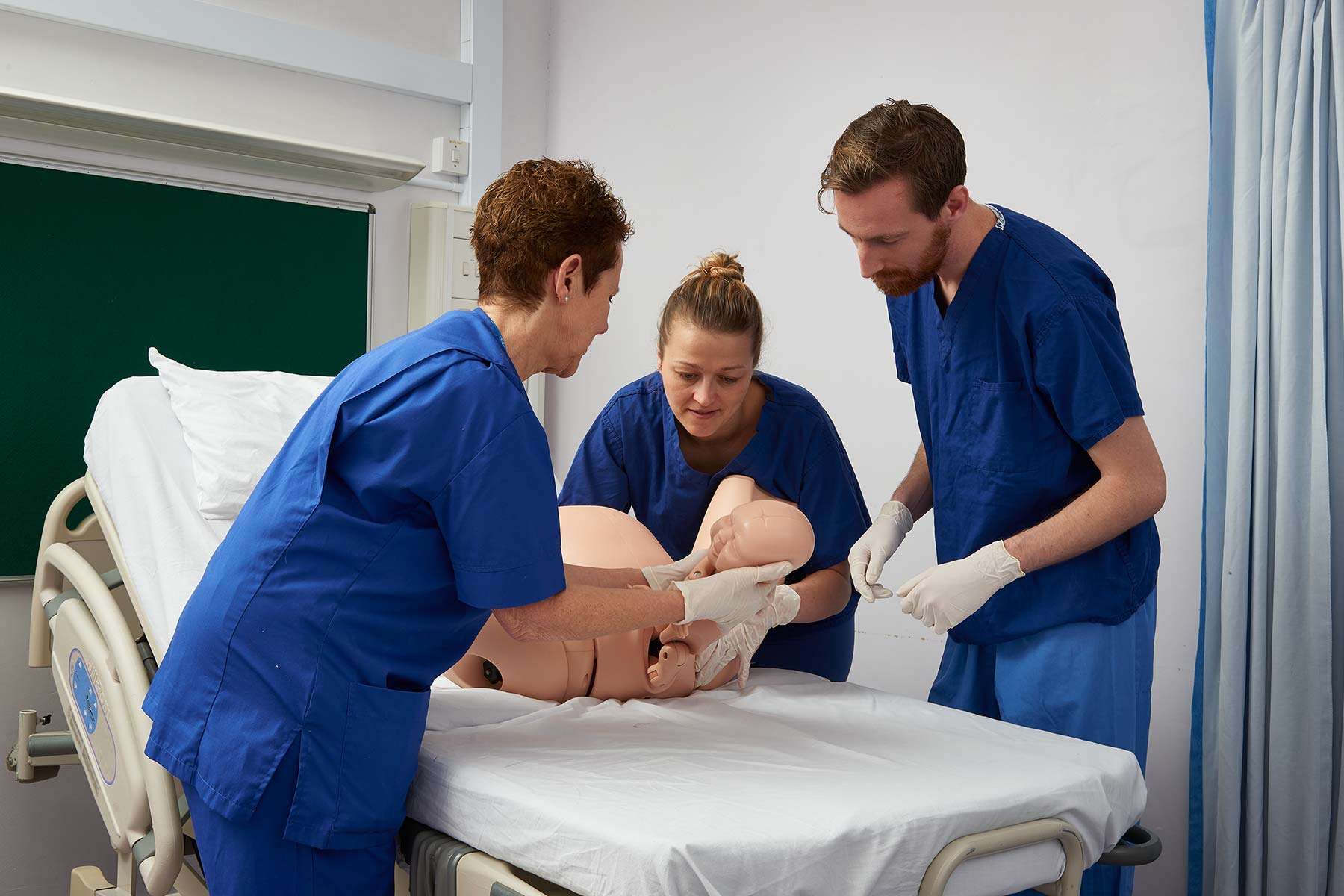
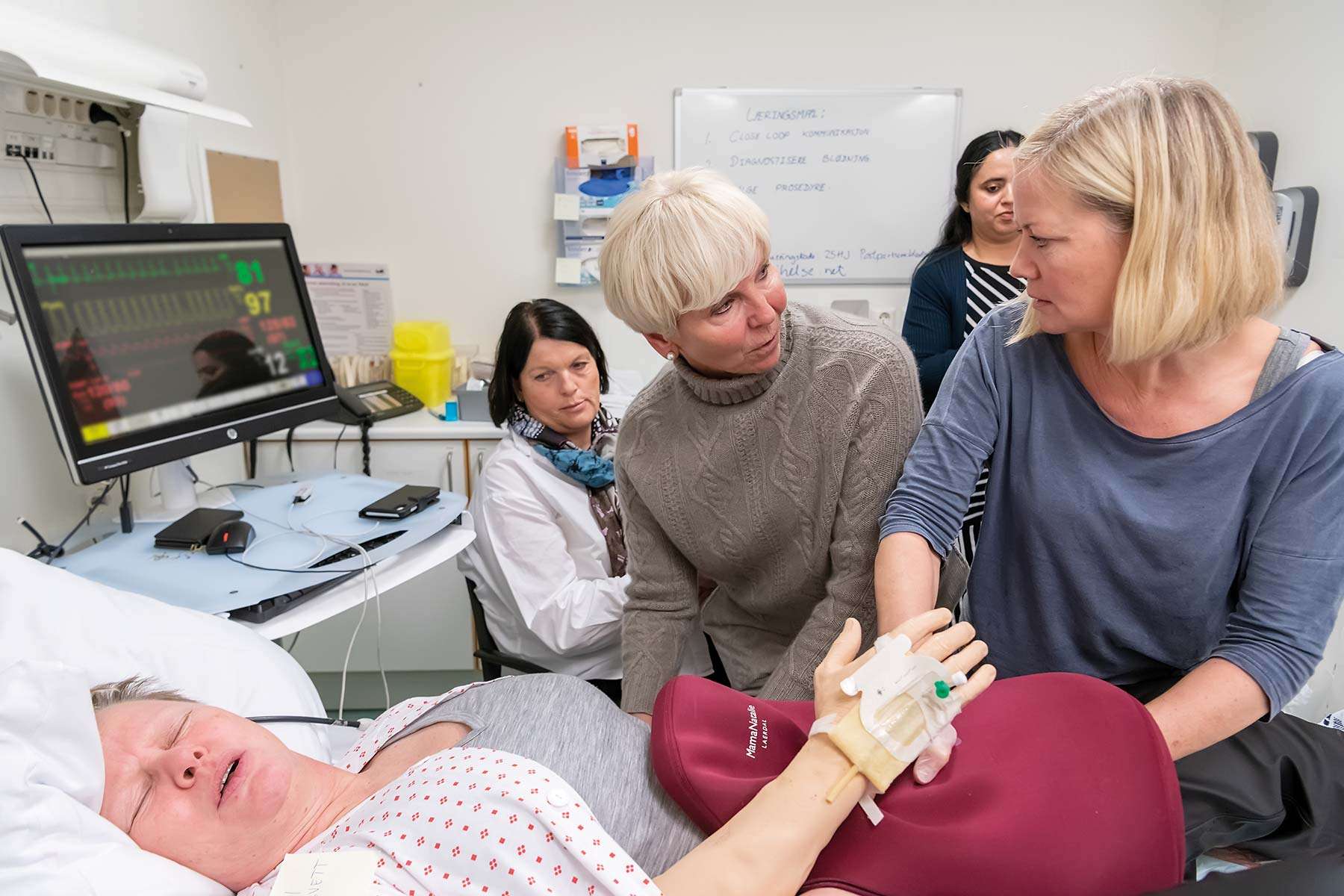
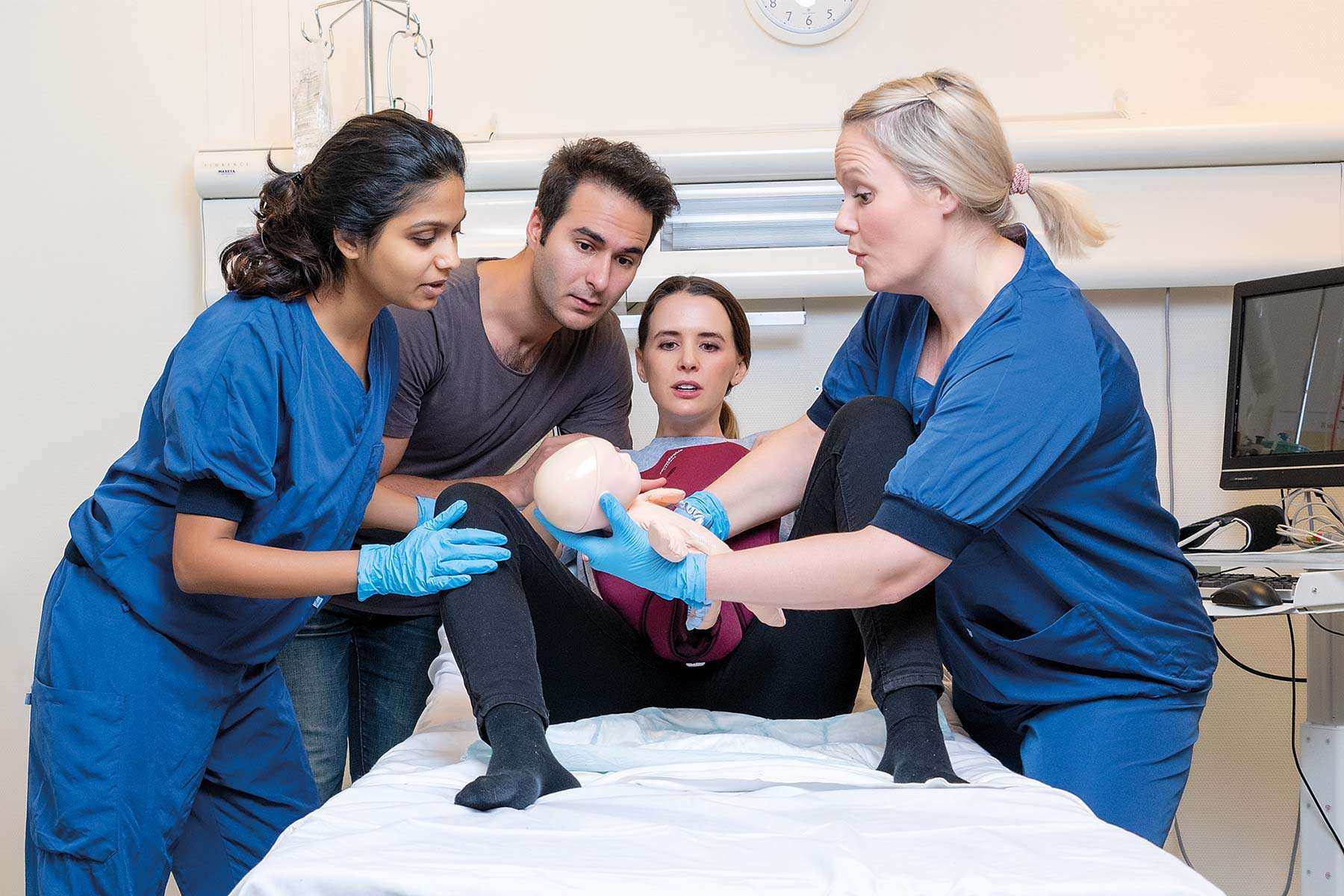
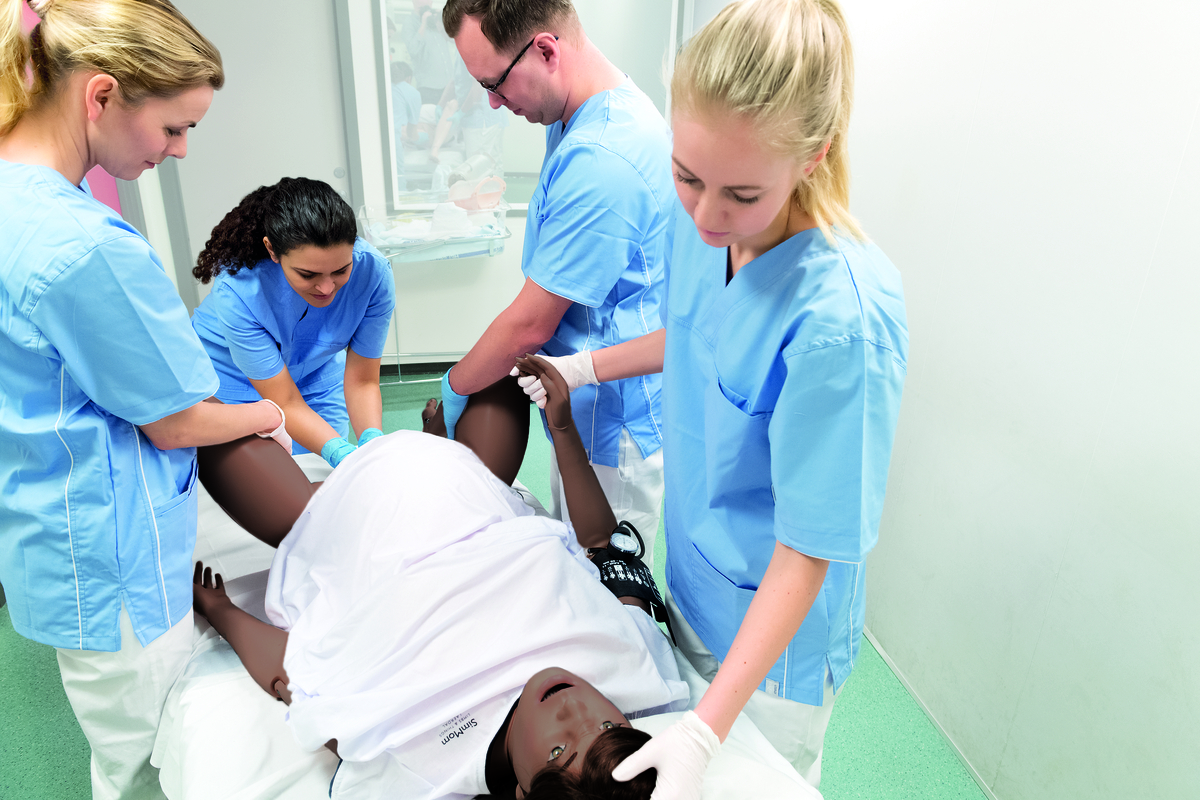
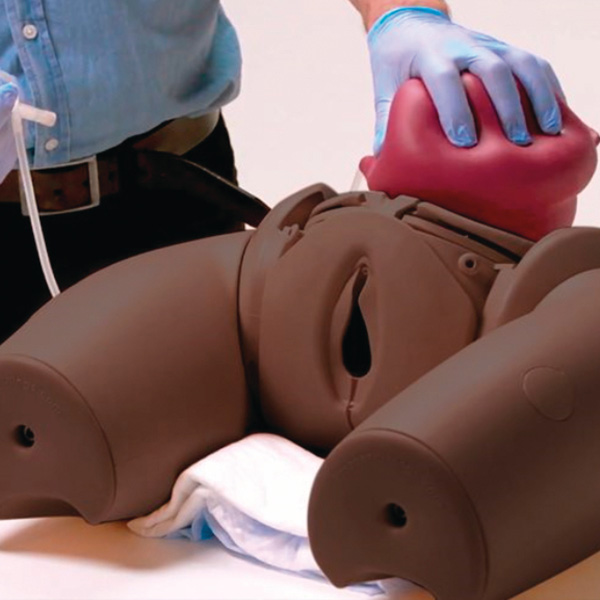
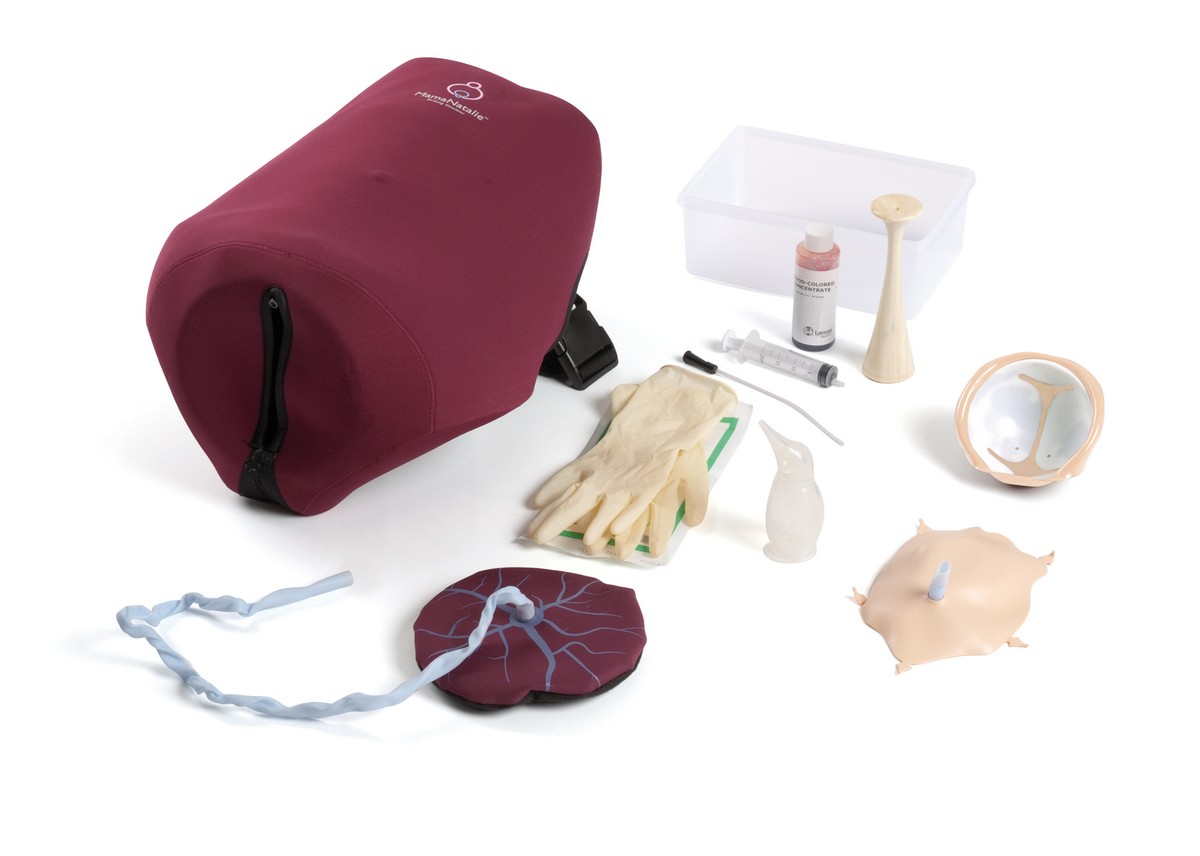
The retrospective study was led by doctors and staff affiliated with four institutions: the Center for Medical Simulation, Brigham and Women’s Hospital, Harvard Medical School, and the CRICO/Risk Management Foundation of the Harvard Medical Institutions.7 They looked at the performance of 292 OB/GYNs, all of whom were covered by the same insurer and all of whom undertook one or more simulation training sessions from 2002 to 2019. The trainings involved low-frequency, high-acuity obstetric scenarios, and focused on teamwork, communication, and organizational culture. Each training was followed immediately by debriefing.
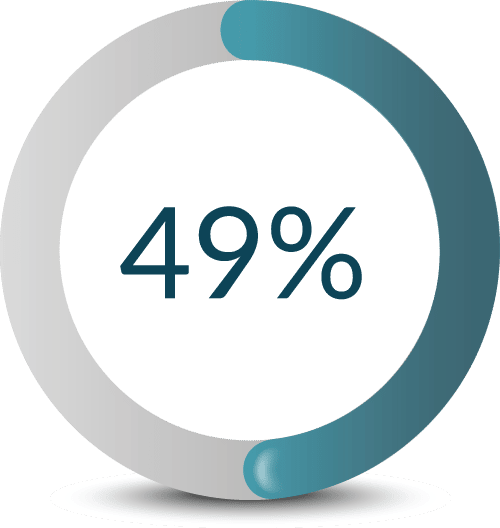
What the study revealed is that simulation training resulted in a nearly 50% decrease in malpractice claim rates.
drop in malpractice claims during the study period.8
What the study also revealed is that attending more than one simulation session was associated with a greater reduction in claim rates. The physicians who attended three or more trainings had significantly lower post-simulation claim rates than the physicians who attended a single training.
Background
Research has been done in this area in the past but hasn’t been as highly publicized.
In 2012, the Premier Hospital network published a similar study based on 14 hospitals that participated in the Premier Perinatal Safety Initiative designed to train OB/GYNs and assist staff in response procedures to perinatal emergencies. The 14 hospitals used simulation as a training method. The results were that OB claims per delivery at the 13 hospitals decreased by 37%.9, 10