Scaling Realistic, Mobile, and System‑Focused Simulation with SimCapture
Customer story
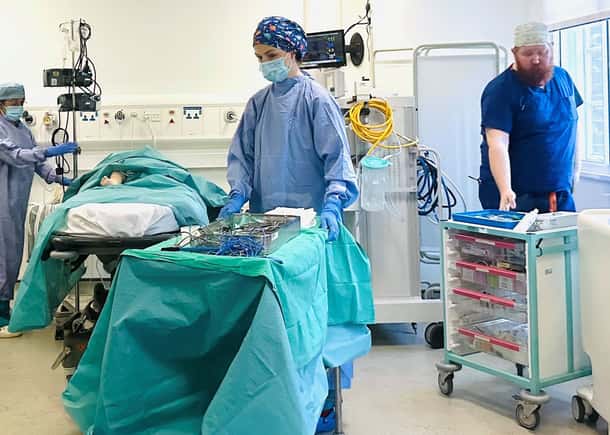
The Great Ormond Street Hospital Simulation Center is one of the UK’s leading simulation hubs, supporting workforce development and patient safety initiatives across the wider NHS.
At a time when the NHS continues to face workforce pressures, rising clinical complexity, and increasing demand for specialist pediatric services, the role of simulation has become increasingly important. Great Ormond Street Hospital's (GOSH) simulation program helps clinicians prepare for rare, high-risk, and time-critical scenarios in psychologically safe environments before encountering them in real patient care.
Despite limited space, the team supports a vast simulation program, including in‑situ ward simulations, multidisciplinary scenarios, ECMO transport training, OSCEs (Objective Structured Clinical Examinations), and education for medical students, nurses, and external learners.
As an accredited simulation center, GOSH is committed to realism, systems learning, human factors, and multidisciplinary collaboration. Its work reflects wider NHS priorities around patient safety, staff confidence, reducing variation in care, and improving outcomes for children with highly complex conditions.
The challenge
Across the NHS, there is growing recognition that healthcare professionals need training environments that accurately mirror the pressures and unpredictability of frontline care. This is especially important in paediatric and specialist transport settings, where communication, teamwork, and rapid decision-making can directly impact patient outcomes.
Before the simulation team started to use SimCapture Mobile Camera, ambulance‑based simulations were difficult to run authentically. Teams often had to keep ambulance doors open so observers could watch, which meant scenarios felt exposed and artificial. Educators relied heavily on low‑fidelity, conversation‑based role play because there was no practical way to capture or stream what was happening inside the confined space. This setup broke immersion, prevented learners from behaving as they would in real transport cases, and made it impossible to replicate the pressure, noise, and movement of true pre‑hospital environments.
"It kind of takes away from the fidelity of the simulation when you’ve got people standing outside watching in."
Daniel Carter,
Senior Simulation Technician at Great Ormond Street Hospital for Children NHS Foundation Trust (London, UK)

Collaborative simulations involving ECMO (Extracorporeal Membrane Oxygenation), Cardiac, and CATS (Children’s Acute Transport Service) teams demand tight coordination, real‑time decision making, and highly realistic environmental conditions.
Prior to SimCapture Mobile Camera, these multidisciplinary scenarios were limited by physical space, visibility challenges, and the inability to capture multiple perspectives simultaneously. The simulation center at GOSH could not recreate the logistical constraints of an ambulance, the communication challenges of moving patients, or the complex interplay between teams working in motion — all of which are critical to ECMO transport readiness.
The GOSH simulation center operates with only two dedicated rooms, making it challenging to meet increasing demand while supporting OSCEs, external courses, and multidisciplinary simulations.
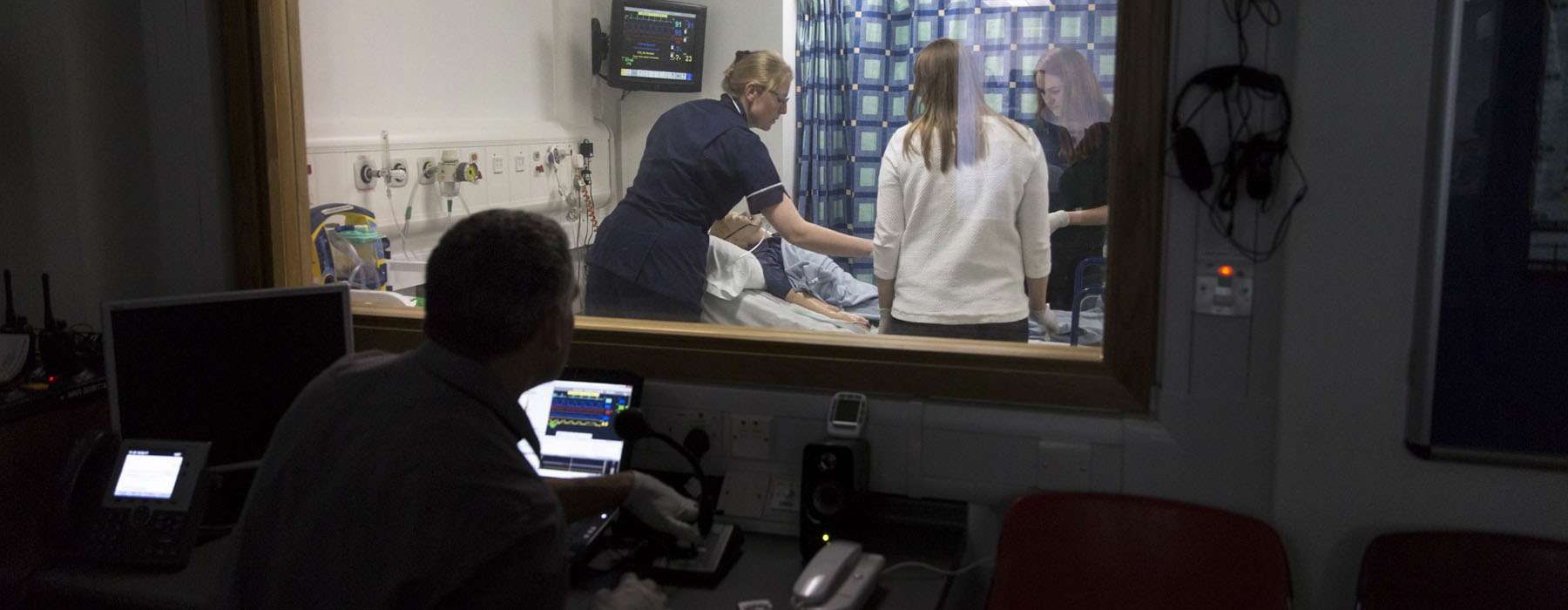
As engagement expanded—especially from the 70+ practice educators across the trust—capacity constraints became more apparent. This led to increased scheduling pressure, reduced flexibility for spontaneous or ward‑based training, and constrained the ability to scale simulation consistently across the hospital.
These challenges are not unique to GOSH. Across the UK healthcare system, simulation teams are increasingly being asked to do more with limited space, limited staffing, and growing training demand. Creating scalable, high-fidelity education that supports both workforce readiness and patient safety remains a key issue for NHS organizations nationwide.
Simulations that run exclusively in the simulation center miss critical real‑world factors such as ward layout, equipment storage patterns, door sizes, and travel distances to emergency supplies. These factors often remain hidden until teams train in the spaces where care is actually delivered.
The solution
The simulation team at GOSH started to use SimCapture Mobile Camera, a mobile app turning any smartphone or tablet into a secure video recorder for capturing simulation sessions anywhere and uploading them to SimCapture for review and debriefing. This solution brings flexible, on‑the‑go video capture to simulation, enabling teams to record in‑situ and transport scenarios without fixed AV hardware.
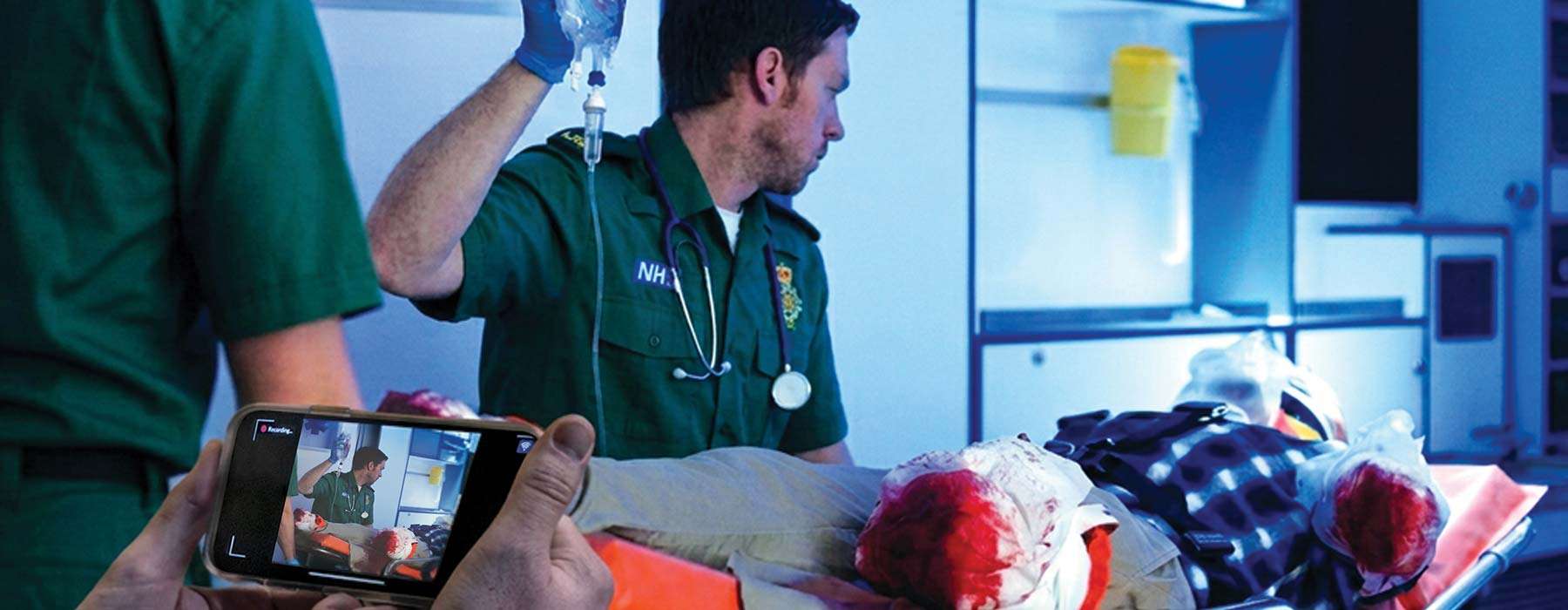
SimCapture Mobile Camera enabled GOSH to conduct realistic, multidisciplinary, in‑situ simulations anywhere — even inside moving ambulances.
"SimCapture is like a Swiss Army knife — adaptable to whatever your needs are."
With just phones on tripods, GOSH has been able to record three synchronized angles in extremely tight spaces.
"We set up three separate cameras… two wide angles and one over the patient showing the monitor."
This setup streams live to nearby debrief rooms, enabling realistic immersion without intrusive observers.
SimCapture Mobile Camera now supports any scenario, such as ECMO transfers, ambulance flat‑tire evacuations, fire/smoke evacuation scenarios, or real‑equipment movement under stress.
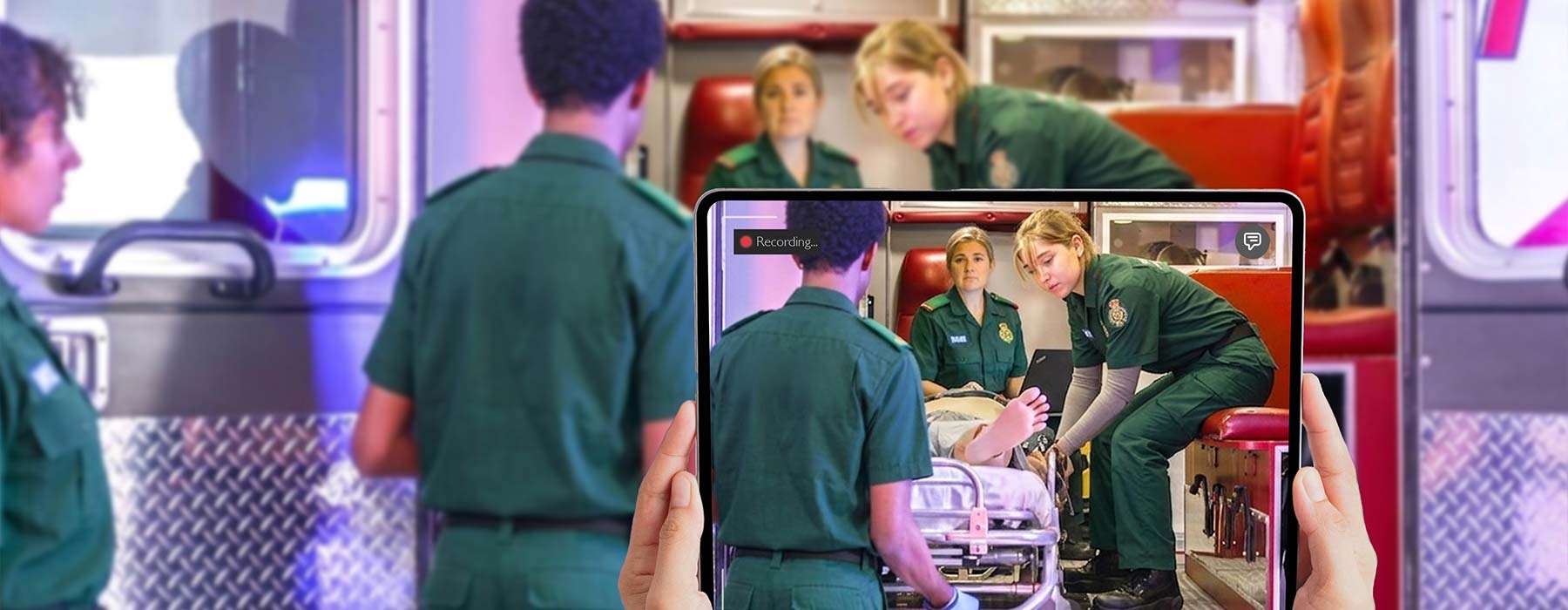
"We could follow the team with the cameras as they evacuated the patient onto the roadside — we’d never have been able to do that before."
Mobile, high‑fidelity in‑situ scenarios consistently reveal system gaps – for example, a crash trolley not fitting through a room door, delays retrieving blood products, or environment constraints during ambulance evacuations.
"Simulation lets us stress‑test the logistics of how a hospital works."
Findings feed directly into the GOSH’s latent safety threat team.
SimCapture Mobile Camera is intuitive enough that practice educators can confidently run simulations independently on their own wards, without relying on central simulation staff or fixed AV support. The simple onboarding process lowers the barrier to adoption and enables simulation to happen closer to clinical practice.
"I can onboard someone in half an hour — then they can run sim independently on their ward and stream it properly."
Offline recording ensures simulations can continue even during potential NHS network outages, allowing educators to capture sessions without interruption and upload them once connectivity is restored. This protects training continuity, avoids last‑minute cancellations, and ensures critical learning activities are not dependent on network availability.
SimCapture Cloud resides on Amazon Web Services (AWS). The platform receives automatic updates every two weeks, including bug fixes and improvements, without any service interruption. An uptime of at least 99.99% and consistent data integrity are guaranteed. In addition, cloud connectivity means that issues can be identified and often resolved before they are even reported.
"It’s all browser‑based — no installs, no downtime. That simplicity is fantastic."
The results
Simulations delivered in ambulances, wards, and other clinical or procedural spaces feel more immersive and authentic, closely reflecting the real environments teams work in every day. Training in the actual care setting helps participants engage more fully with the scenario, improves situational awareness, and reduces the gap between simulation and real‑world practice.
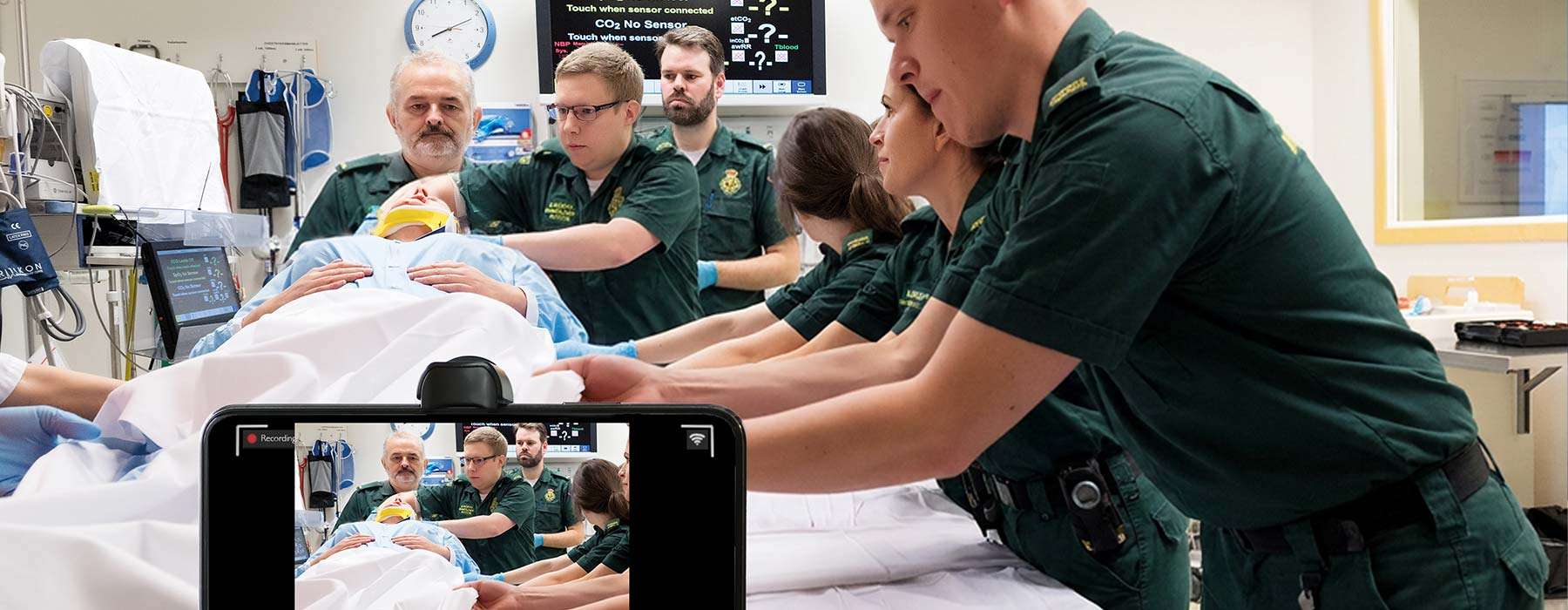
"It just felt so real for them… nothing like the old conversational role‑play."
Loaned mobile kits, combined with straightforward onboarding, enabled simulation to be delivered closer to clinical teams and embedded into everyday practice. Educators were able to schedule and run sessions locally, without competing for limited simulation‑centre space or support.
By decentralising simulation delivery and empowering educators at ward level, the trust was able to increase simulation activity and extend access to a wider range of teams—without adding pressure on the central simulation centre.
In situ simulations helped GOSH identify latent safety threats that were difficult to detect through routine practice alone. Working in the actual care environment revealed issues such as delays in accessing blood products, evacuation workflow bottlenecks, and equipment constraints caused by physical spaces.
"These seemingly small details highlight real latent safety threats… crucial to identify before they harm patients."
One simulation uncovered that a crash trolley could not fit through a ward doorway, demonstrating how testing systems in real clinical settings can expose risks before they affect patient care.
"Through doing high‑fidelity sim on the wards, we discovered the crash trolley didn’t fit through the door."
These discoveries have helped position simulation as a tool not only for education, but also for ongoing quality improvement and patient safety.
SimCapture Mobile Camera enabled multi‑team ECMO transport scenarios that were previously impossible.
"The whole ECMO–CATS simulation wouldn’t have been possible without the mobile cameras."
GOSH recommends:
"The more sim we can do, the safer the hospital becomes."
SimCapture Mobile Camera enabled GOSH to move beyond room‑bound, conversational role‑play toward a more mobile, scalable, and system‑aware simulation approach. By supporting simulation in wards, ambulances, and transport environments, teams were able to train in settings that closely mirror real clinical conditions.
This shift helped surface previously hidden safety gaps, supported complex transport and in‑situ scenarios, and reduced reliance on limited simulation‑centre space. At the same time, the simplicity of the solution empowered practice educators across the hospital to lead and deliver simulation locally, embedding learning closer to day‑to‑day care.