Simulation, Data, and the Evolution of Competency-Based Education
Dr. Brian Mann discusses how simulation, multimodal assessment, and emerging technologies can move competency-based education beyond knowledge and into real-world performance.
Läs merEn intervju med Dr. Curtis Nickel

Vi satte oss ner med Curtis Nickel, MD Med FRCPC, biträdande professor och klinisk anestesiolog vid University of Ottawa, för att diskutera hur simulering kan hjälpa kompetensbaserad medicinsk utbildning att gå bortom kunskapskontroller och i stället fokusera på observerbar, praktiskt redo prestation.
Titta på videon eller läs transkriptionen nedan.
Mitt namn är Curtis Nickel. Jag är anestesiolog i Ottawa vid University of Ottawa och Ottawa Hospital. Jag är också simuleringspedagog och har varit involverad i vår kompetensbaserade medicinska utbildning (CBME) vad gäller införande, implementering och den övergripande fortlöpande [hanteringen] inom vårt residensprogram.
Jag älskar det eftersom jag älskar att undervisa. Jag älskar att arbeta med våra ST-läkare, och jag älskar simulering. Och jag älskar att kunna hjälpa nästa grupp att gå vidare och göra det jag gör — och förhoppningsvis ännu bättre än jag gör det!
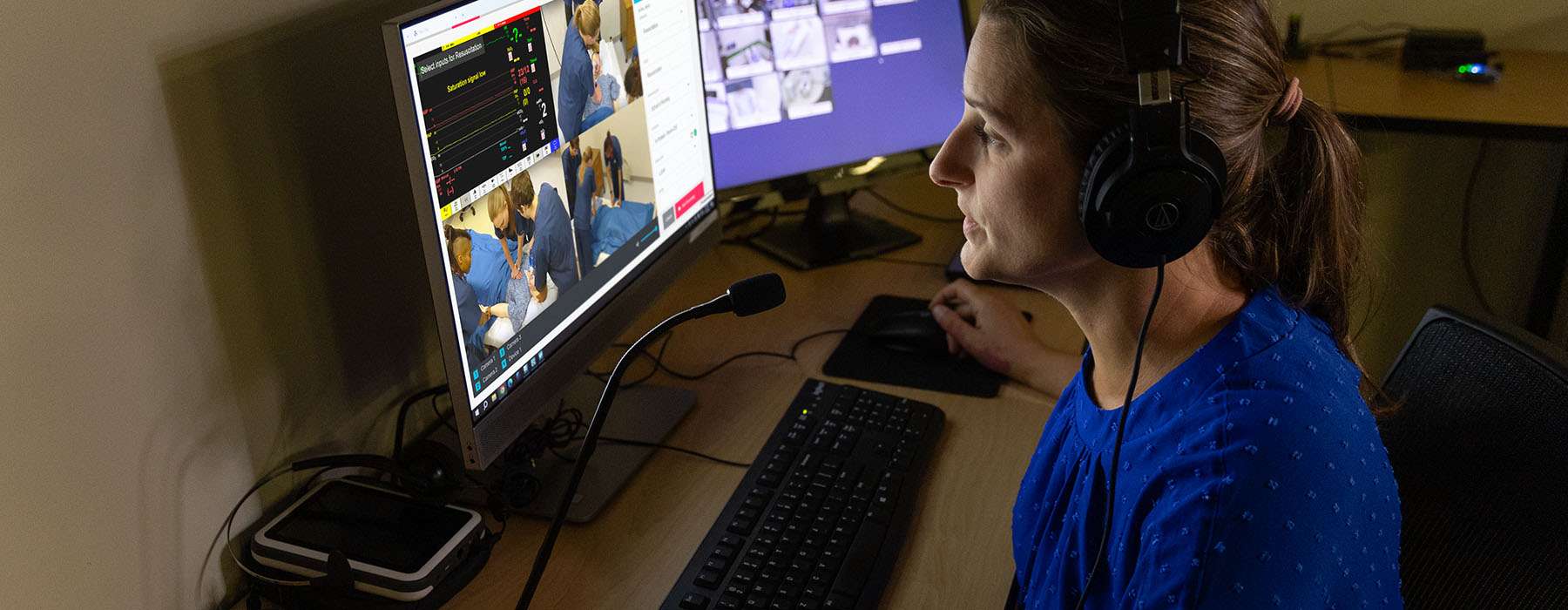
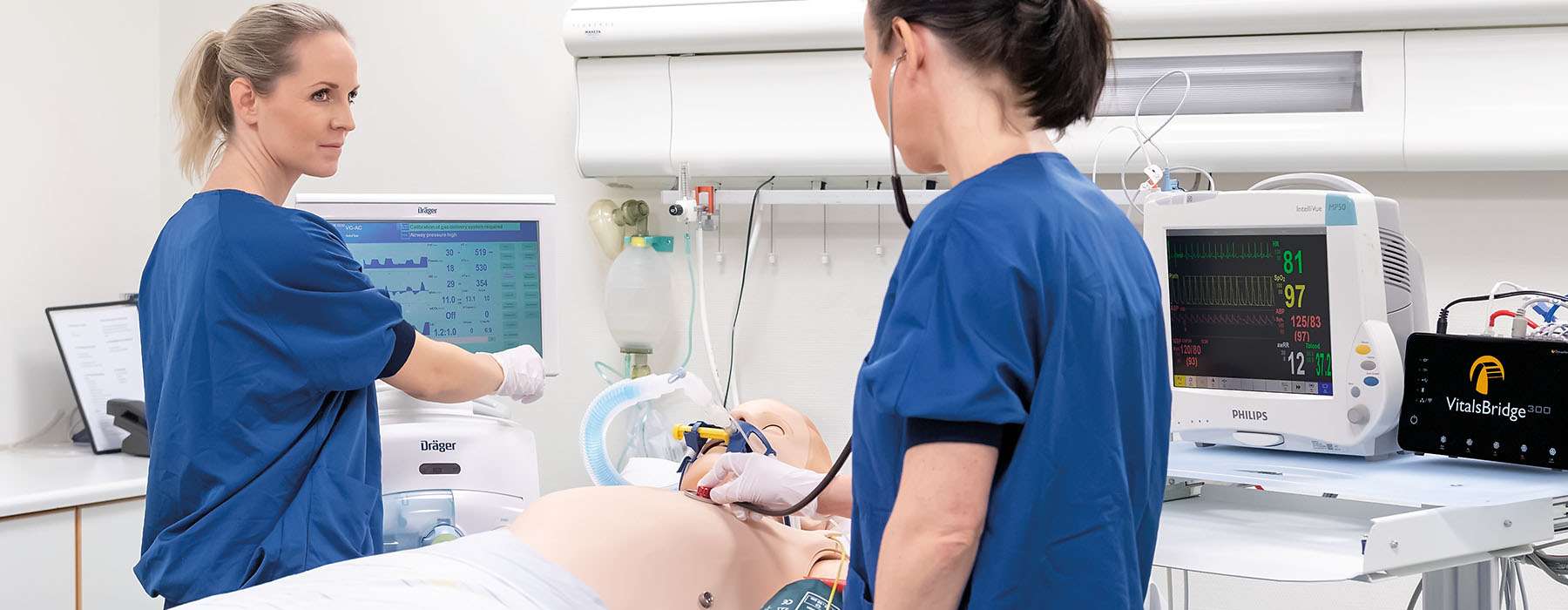
Det är verkligen intressant. Jag tycker att simulering passar utmärkt ihop med en kompetensbaserad utbildning—oavsett om den är medicinsk eller inte. Jag tror att det är en av de saker [där] målen för båda redan är i linje med varandra. Målen för simuleringsutbildning är redan inriktade på den lärande. Vi skalar redan och gör saker mer eller mindre svåra.
Kompetensbaserad utbildning är likadan. Vi försöker verkligen fokusera på kompetenser och gå från att vara mer systemfokuserad än lärandefokuserad till att bli mer lärandefokuserad. Jag tycker att användningen av simulering inom det är en perfekt matchning, och något som vi borde göra mer av.
Det ger oss möjlighet att ta oss från de lägre nivåerna av att demonstrera färdighet eller kunskap—i Blooms taxonomi ”vet hur”—och föra oss vidare till mer av ”visar” och ”gör”, eller den högre nivån av kunskapsbedömning. Och det är verkligen en enorm sak för att få människor redo att vara kompetenta yrkesutövare så snart de lämnar sitt utbildningsprogram.”
”Vi har arbetat med CBE och CBME under lång tid nu. Kanada gick över för ett tag sedan, och anestesi låg i framkant i det. Jag tror att det viktigaste jag har lärt mig är att lyssna på sina studerande och verkligen få en bild av var de befinner sig, inhämta synpunkter från intressenter och få deras feedback, eftersom de kommer att tala om för dig hur det fungerar för dem.
Vi håller nu på att göra mitt system lite mer till deras fördel i stället för att det ska handla om oss. Så att snabbt få den feedbacken från dina studerande om hur dina utbildningsinsatser fungerar. Känner de sig belastade av mängden bedömningar som sker? Och att införa det tillsammans med all annan input från intressenter är förmodligen det enklaste och bästa sättet att få det att komma igång snabbt.”
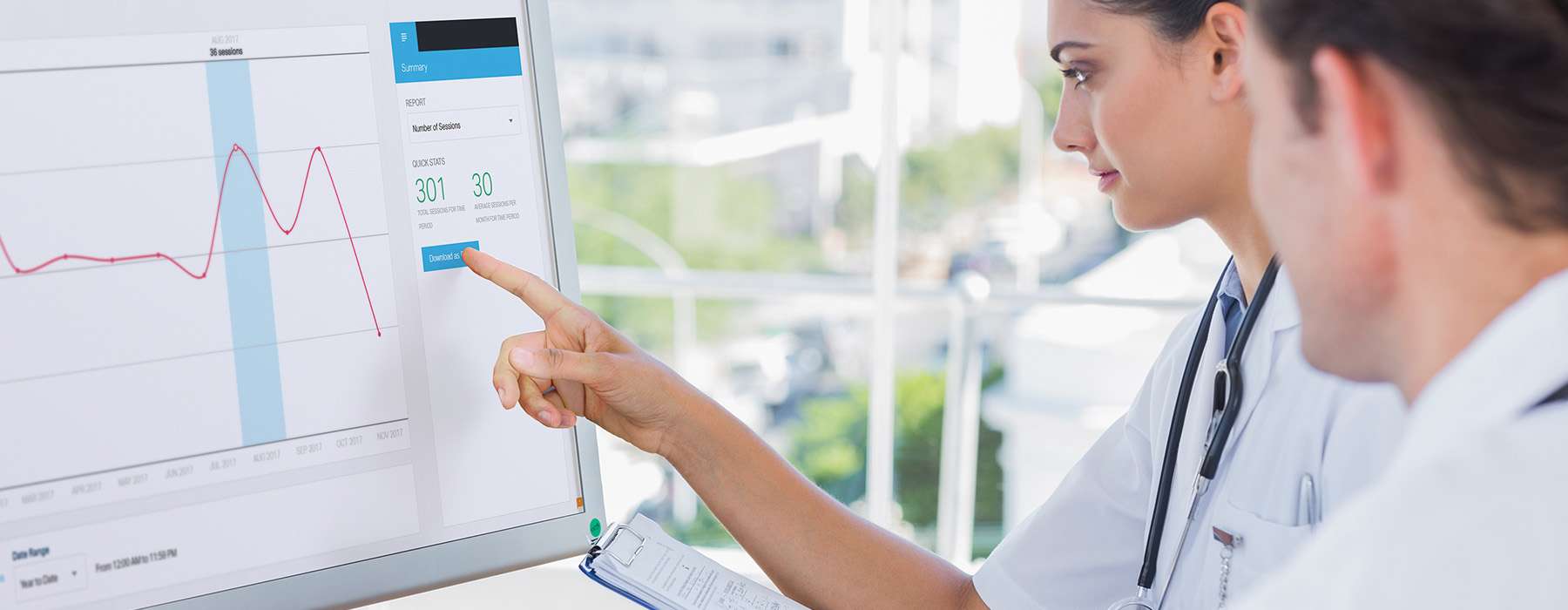
“Jag tycker att det som just nu entusiasmerar mig mest varje gång jag går på en konferens eller pratar med människor om det här, är data och dataanalys samt lärandeanalys. Jag tror att möjligheten att få fram en enorm mängd data som finns där ute—för det är verkligen vad kompetensbaserad utbildning handlar om. Det är flera sammanställda datapunkter för att avgöra om en person är kompetent eller inte.
Nu samlar vi in det och förhoppningsvis får en bättre uppfattning om vilka delar av datan vi behöver fokusera på. Men att kunna paketera ihop det och den analytiska sidan av saker och ting, det är nästa steg. Med de personer jag ser som gör det och gör det bra är det fantastiskt. Och jag tror att det är dit vi är på väg. Det kommer att bli nästa stora grej.”