Healthcare Quality Improvement
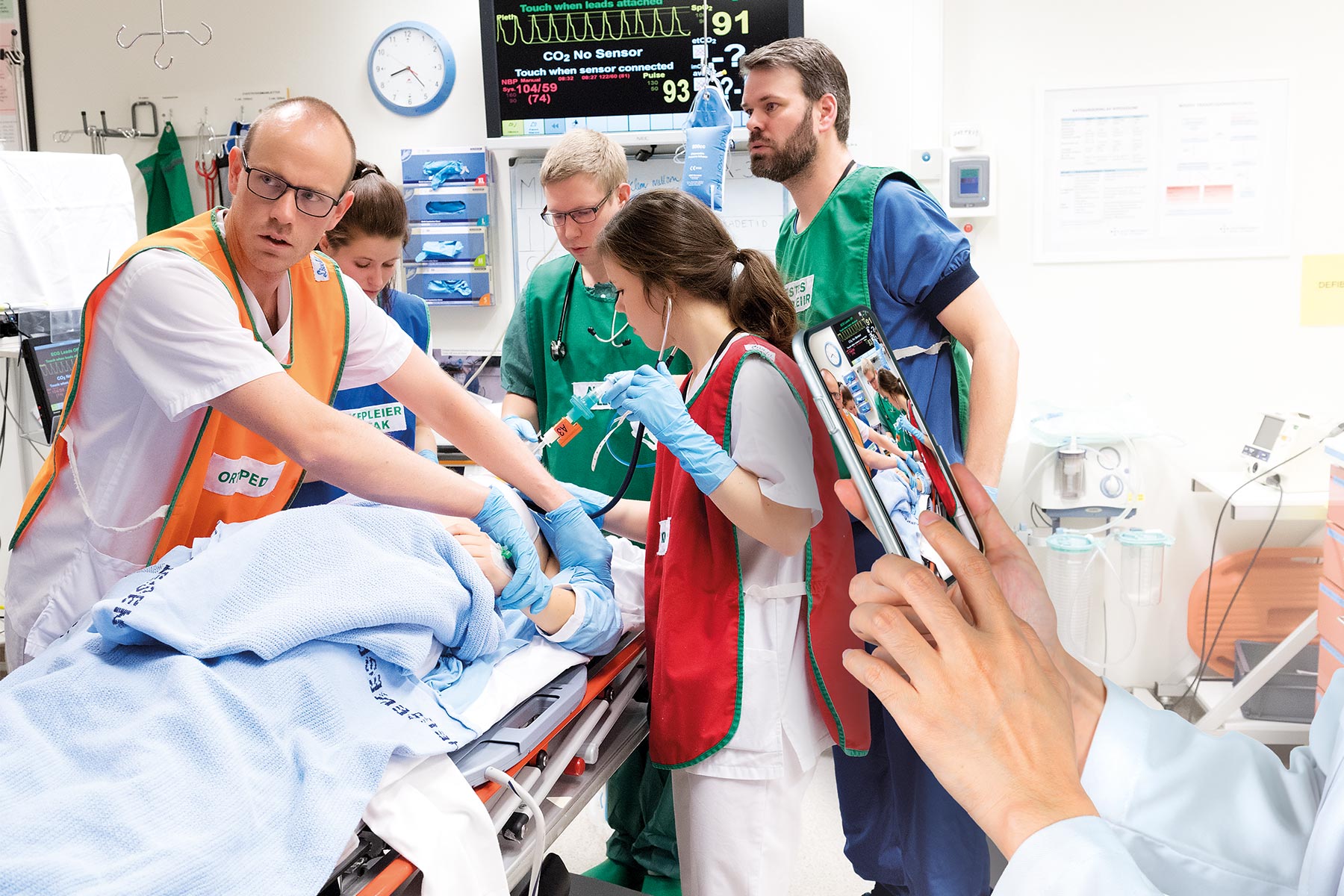
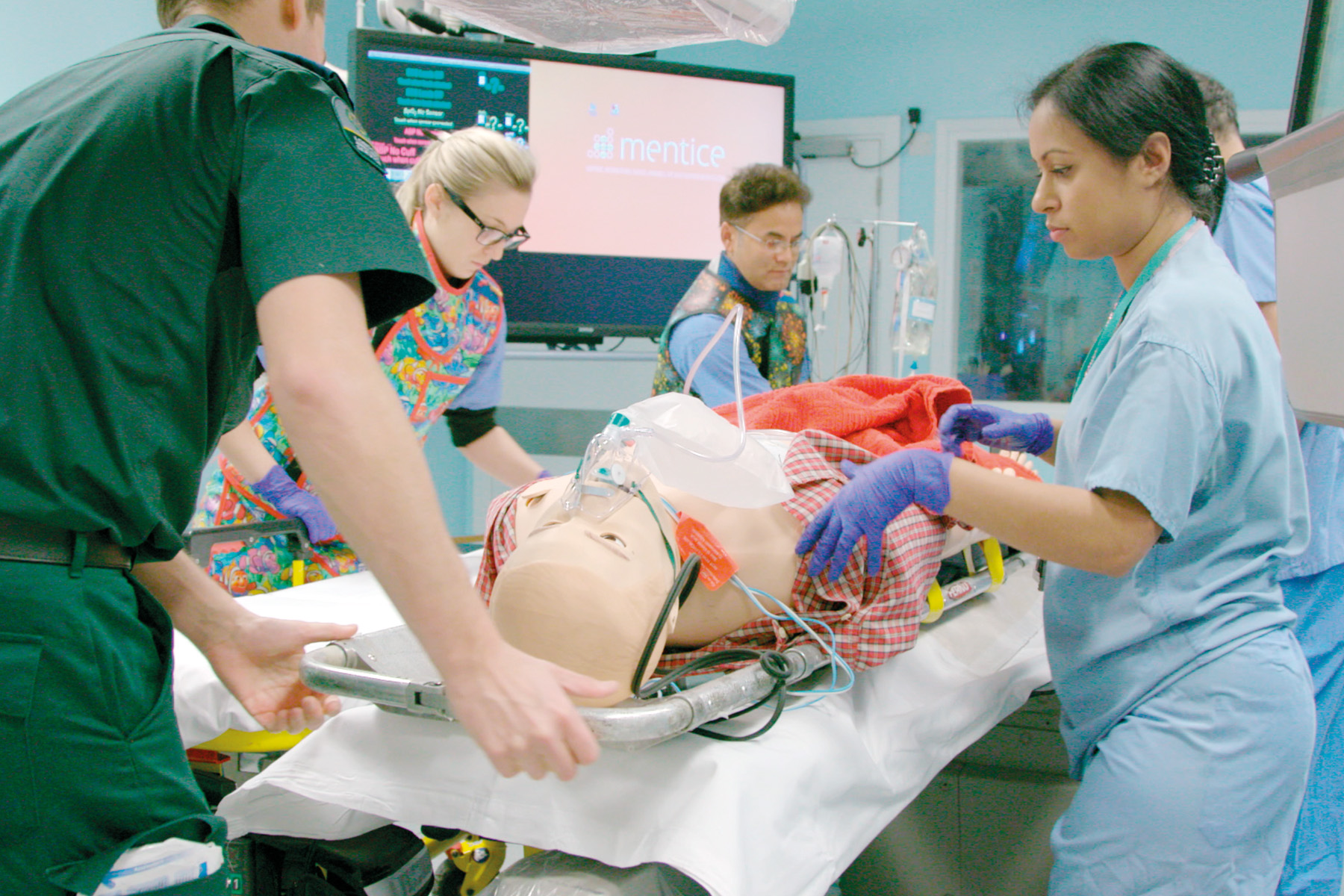
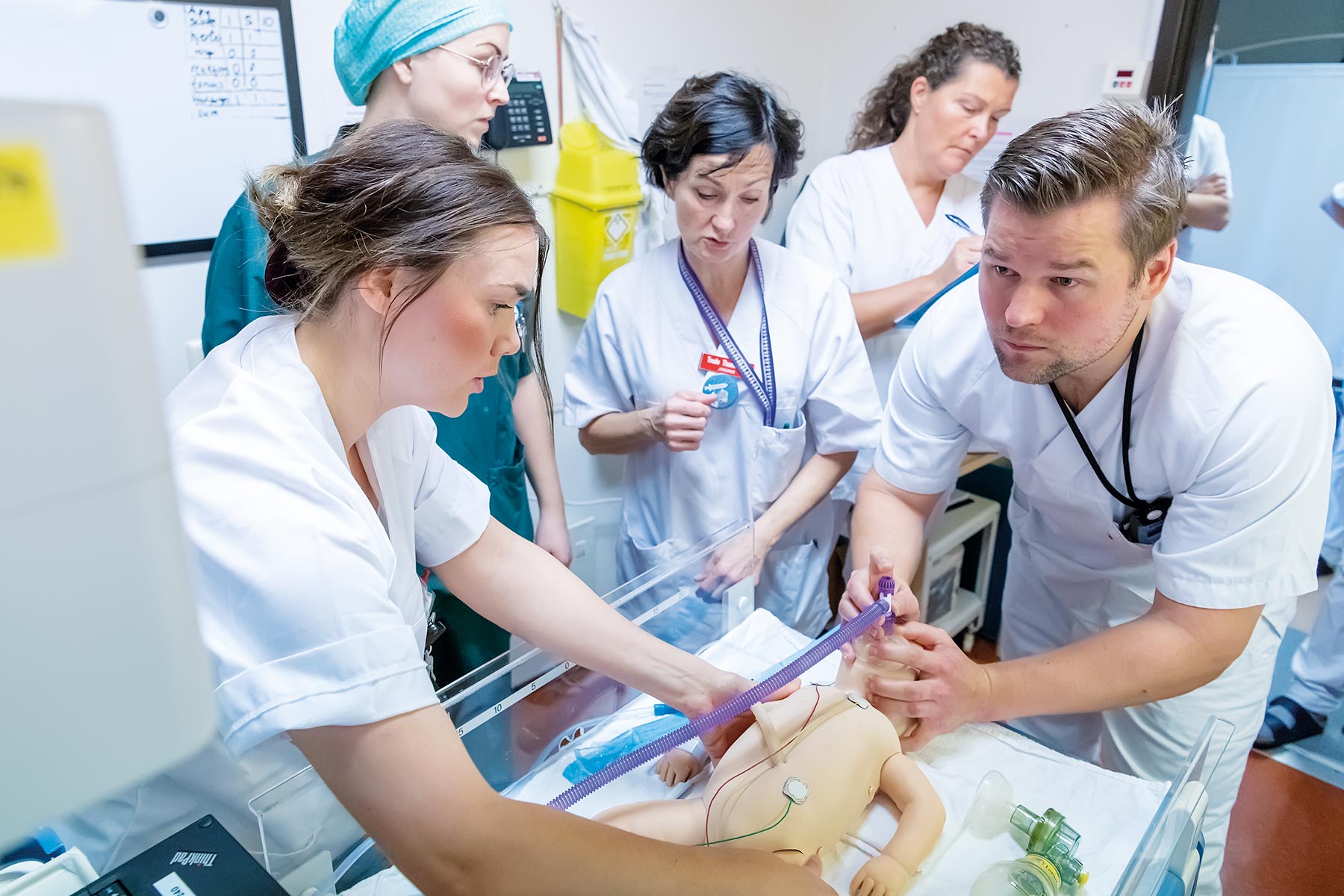
Hälso- och sjukvårdens kvalitetsförbättring använder patientsimulering som ett kraftfullt verktyg för att förbättra teamets prestation och systemets effektivitet.
Läs merIntervju med doktor Victoria Brazil
Vi satte oss ner med Dr. Victoria Brazil för att diskutera hur simulering kan fungera som ett kraftfullt verktyg för att förbättra hälso- och sjukvårdssystem. Se videon eller läs transkriptionen nedan.
Direktör, Bond Translational Simulation Collaborative
Professor i akutsjukvård och ansvarig för simulering, Bond University

Dr. Brazil: ”Framgång ser ut som en bra patientupplevelse. Det ser ut som säker vård. Det ser ut som effektiv vård. Det ser ut som vård som är tillgänglig. Och det ser ut som vård som vårdgivarna uppskattar och är bra på att utföra.
Jag tycker att det är framgång ur ett organisatoriskt perspektiv och ur samhällets förväntningar. Simulering har bidragit till detta på många olika sätt genom åren, men jag tror att den kan förverkliga sin potential när vi börjar tänka på dessa mål på riktigt och tänka på de system som hjälper oss.”
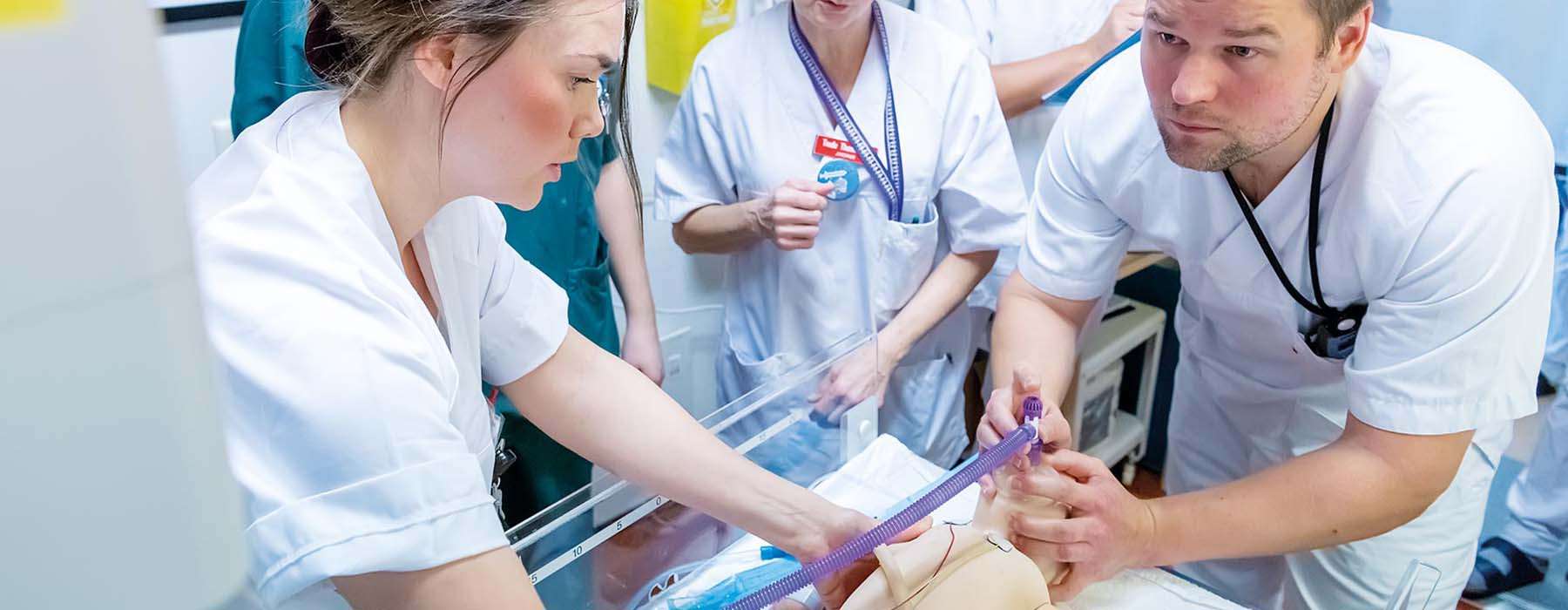
Dr. Brazil: “Det som förändras är att vi för kvalitetsförbättring till vårdpersonalen i frontlinjen. Och ordet vi ibland använder är att vi ‘demokratiserar’ kvalitetsförbättring.”
“Alla dessa är verkligen viktiga processer för oss att tänka på. Och dessa organisationer förändras från att se simulering som endast ett verktyg för utbildning och träning av hälso- och sjukvårdspersonal, till ett sätt att göra deras arbete enklare, bättre, snabbare, så att de faktiskt kan leverera vården bättre.
Och detta är ett systemfokus snarare än ett fokus på den enskilda utövaren för simuleringsprogrammen inom dessa vårdtjänster.”
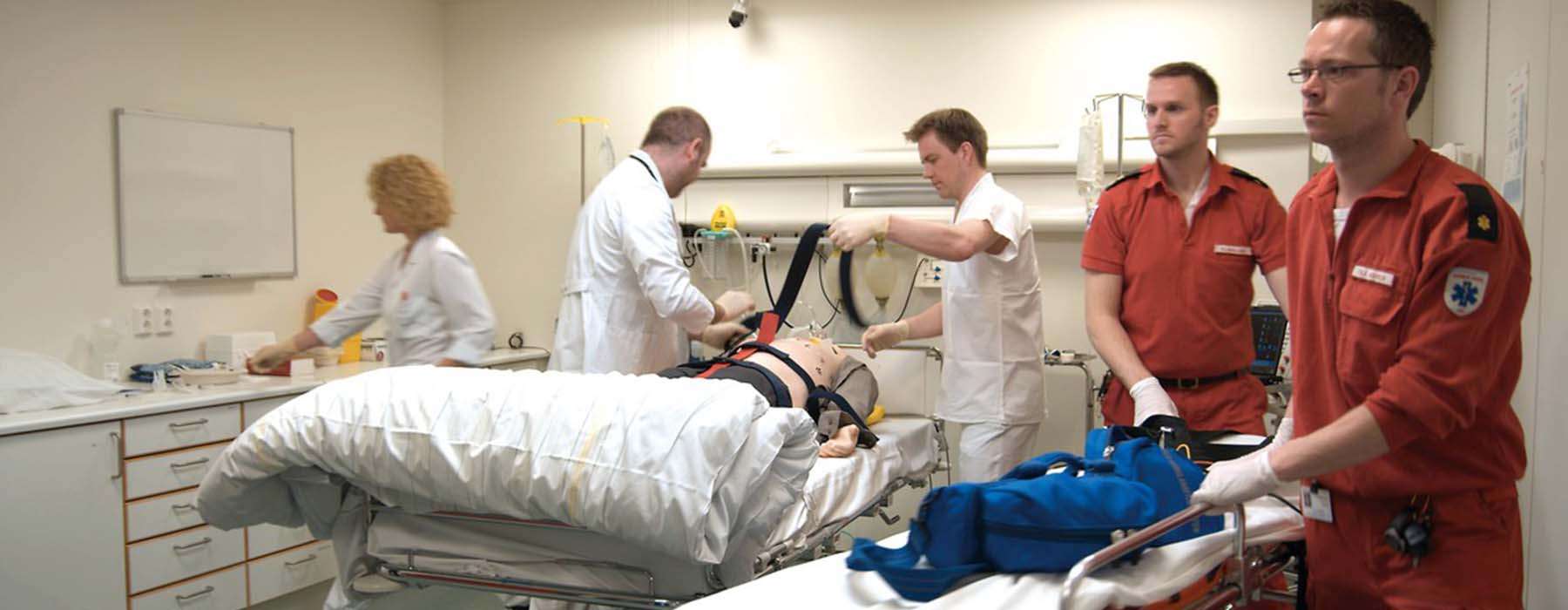
Dr. Brazil: “Nyfikenhet i det här sammanhanget handlar om organisatoriskt lärande och om att vara nyfiken på vad det verkliga problemet här är? För som kliniker själv känner jag igen den inställning som väldigt snabbt hoppar till: ‘Jag tror att problemet är enkelt. Vi borde bara göra så här för att lösa det.’ Och jag tror att vi ibland inom kvalitetsförbättring går in för tidigt. Det som simulering gör möjligt för oss är att återskapa dessa utmaningar.
Nyfikenhet i det här fallet handlar om organisatoriskt lärande och om att tänka på att rikta den nyfikenheten mot det som faktiskt plågar oss i hälso- och sjukvårdssystemet.
Som kliniker är vi ibland snabba att hoppa till åtgärder och lösningar utan att verkligen förstå de problem vi har.
Så om vi tänker på simulering som en plats där vi återskapar många av våra möten i patientvården och får utforska dem—eftersom vi kan göra detta om och om igen, vi kan göra det på begäran, vi kan göra det med olika grupper av vårdpersonal…får vi en mycket rikare förståelse. Vi bidrar med mycket mer nyfikenhet till bordet.
Och det innebär att vi inte rusar in för att skapa lösningar som kanske inte är ändamålsenliga, och som inte har testats tillsammans med de kliniker i frontlinjen som är involverade.”
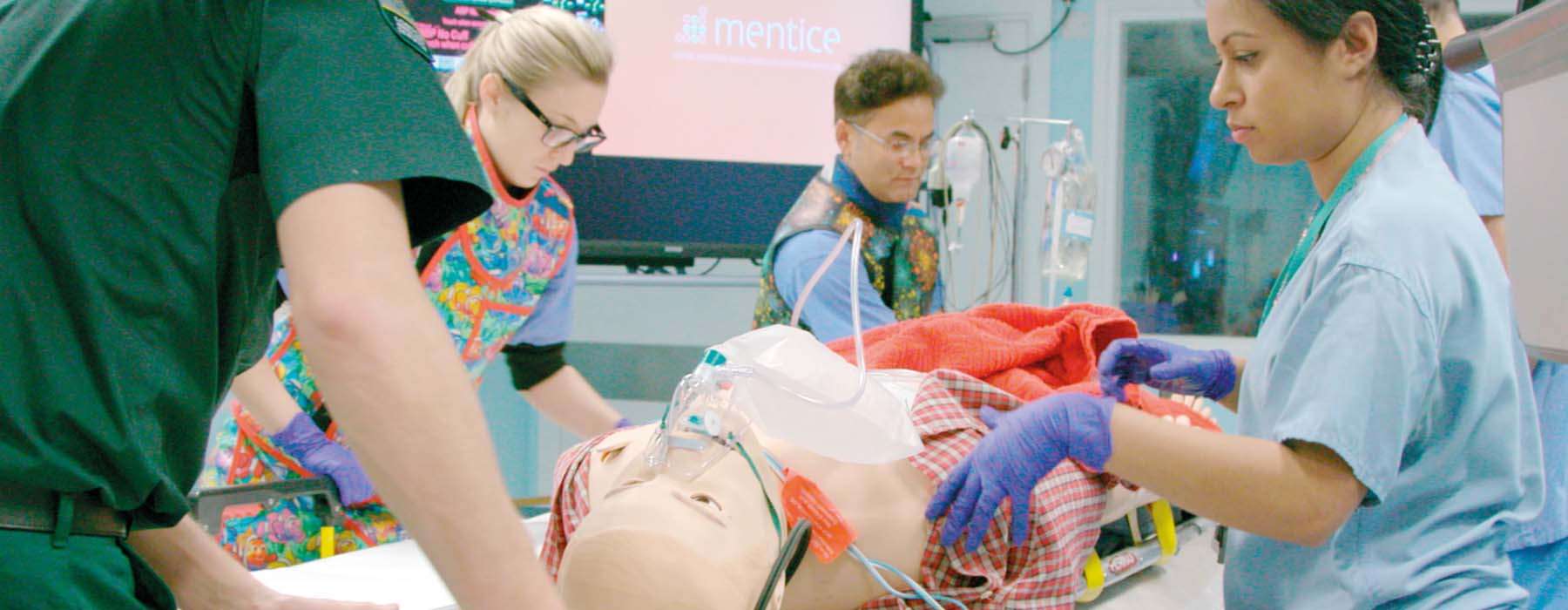
Dr. Brazil: “Jag tror framför allt att de lär sig att de kan vara en del av förbättringslösningen. Och tyvärr känner vi oss ibland väldigt maktlösa inom vården. Jag tror att när de går igenom den här processen att använda simulering för att förbättra, så är det de gör att de plötsligt tänker: ‘Jag kan vara en del av det här. Min röst spelar roll här, och jag har en metod där den inte bara kan höras, utan också samlas tillsammans med andra röster, analyseras och faktiskt omvandlas till handlingsbara insikter som organisationen kan använda.’
Så jag tror att team upptäcker att de kan vara en del av lösningen, och de upptäcker också vissa saker om sig själva. Tyvärr är de flesta av oss felbara människor—och det vi tror att vi gör är inte alltid det vi faktiskt gör.”
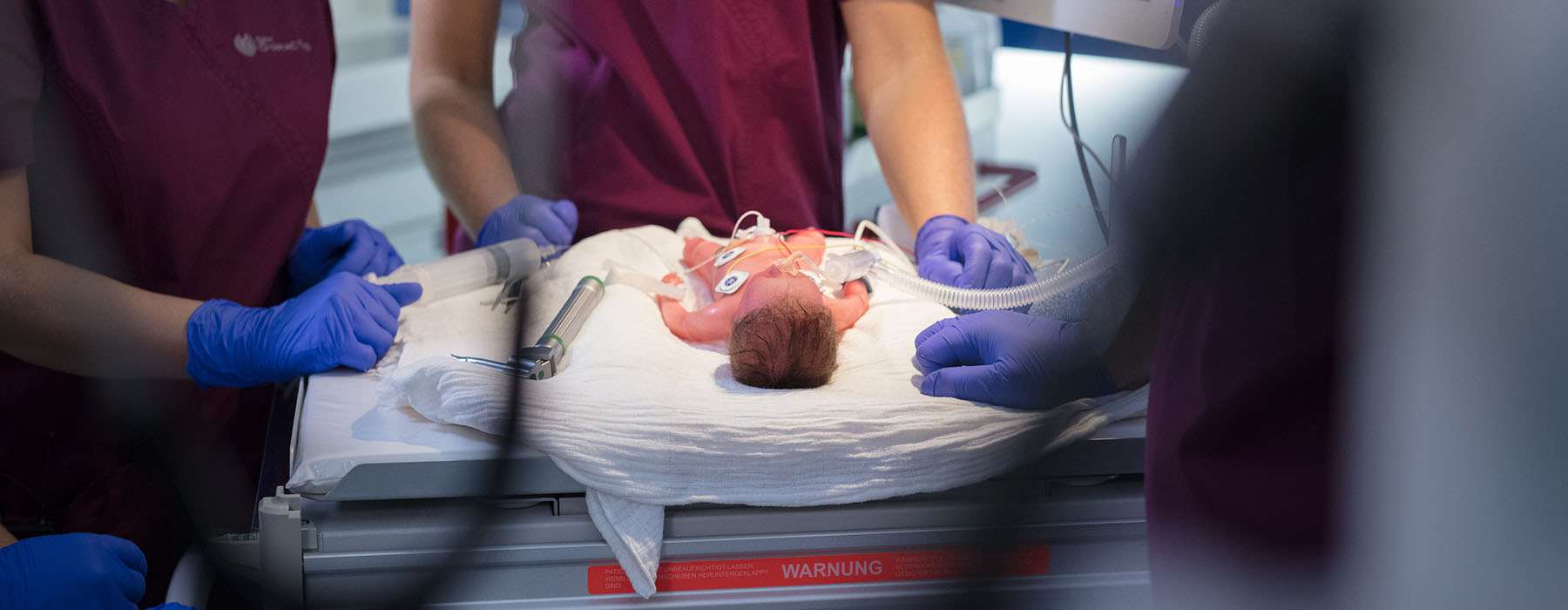
Dr. Brazil: “En kultur av kontinuerlig förbättring är något som vårdorganisationer strävar efter. De pratar mycket om det. Och jag tror att simulering är ett verktyg som kan hjälpa till att skapa den förändringen. Visst ser vi avgränsade projekt. Ibland fungerar de.”
“Och att hjälpa människor med den metodologiska expertis som vi har som simuleringsprofessionella, för att hjälpa till att både identifiera problemet, arbeta med simuleringar för att utforska problemet och testa lösningar. Och sedan i slutändan, att tillhandahålla information i form av visdom och handlingsbara insikter som vi faktiskt kan genomföra, och som sedan leder från en förbättring till nästa förbättring, och nästa.
Och det är den kultur du pratar om.”
Dr. Brazil: ”Detta är en utmanande uppgift att genomföra effektiva, hjälpsamma simuleringar för kvalitetsförbättring. Så jag tror att varje utövare behöver få hjälp. Jag tror att vi behöver ett internt team. Jag tror att vi behöver goda relationer med kvalitets- och säkerhetsarbetet inom våra egna institutioner. Men vi skulle också säga att de behöver verktyg.
Och de typer av verktyg som vi har utvecklat kan hjälpa människor, från början till slut, att tänka igenom sin translationala simuleringsdesign, tänka igenom sitt genomförande och hjälpa till med insamling av data och bearbetning av dessa data.
Så jag tror att de här utövarna behöver verktyg för att hjälpa dem. Och de behöver förmodligen också viss utbildning för att få hjälp. Så vissa korta kurser, varav några vi utvecklar i linje med dessa verktyg, och några som finns tillgängliga på andra håll. Men jag tror att att få hjälp, samarbeta och ha bra verktyg.”