Saltar al contenido

Why Obstetric Simulation Training Is Essential for EMS

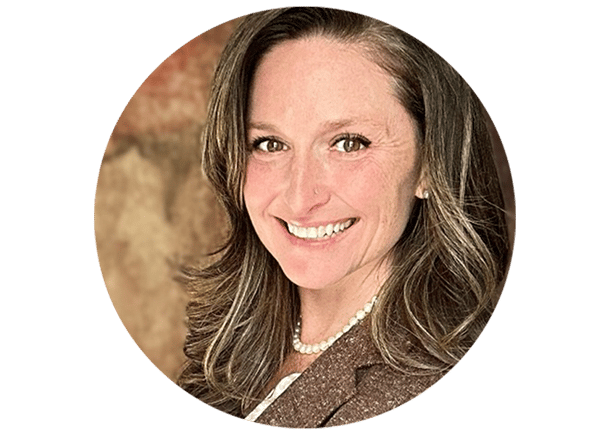
An Interview with Melissa Lawlor

We sat down with Melissa Lawlor, CNM, FNP‑C, IBCLC, EMT, Pleasant Valley Fire District Fire Commissioner, to discuss why simulation‑based training is critical for EMS teams managing obstetric and neonatal emergencies in the field. Watch the video or read the transcript below. 

Tell us about yourself.

Melissa: “I’m Melissa Lawlor. I’m a certified nurse midwife, family nurse practitioner, and I’m also an EMT. I am an expert in the space of EMS and midwifery, and the bridging that needs to occur for them for community birth and education.” 

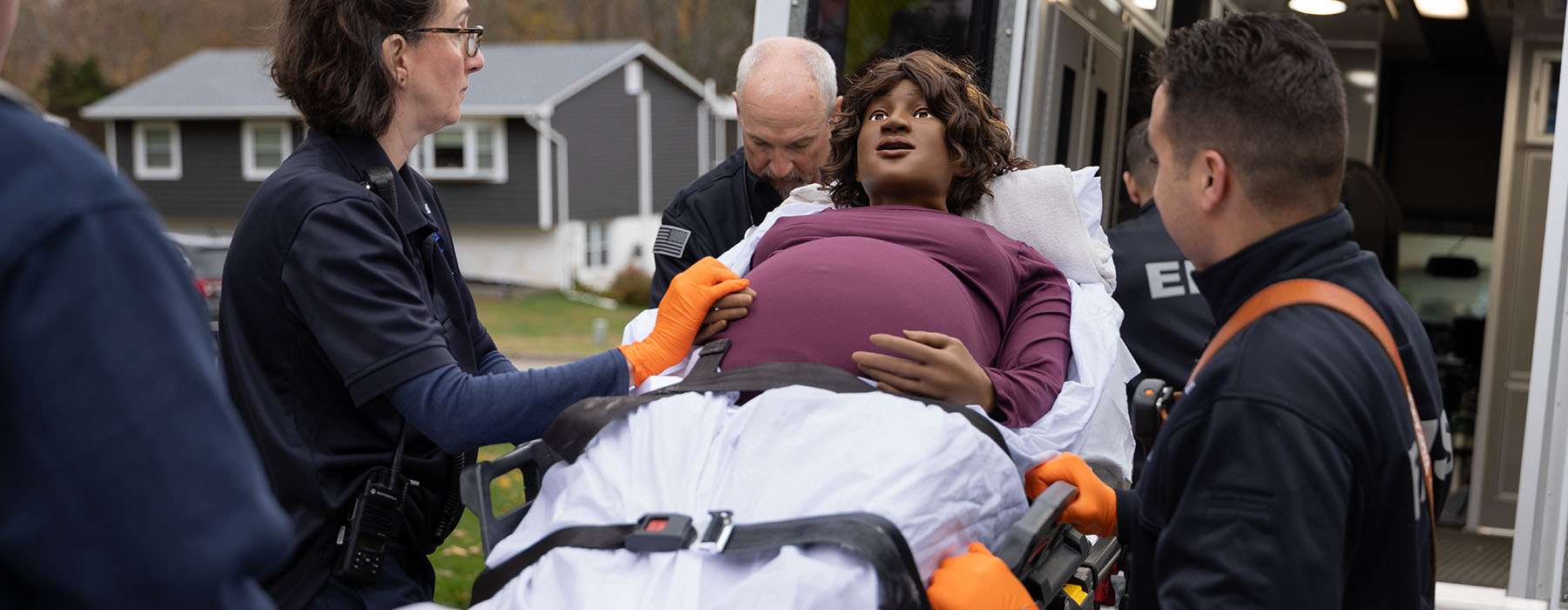
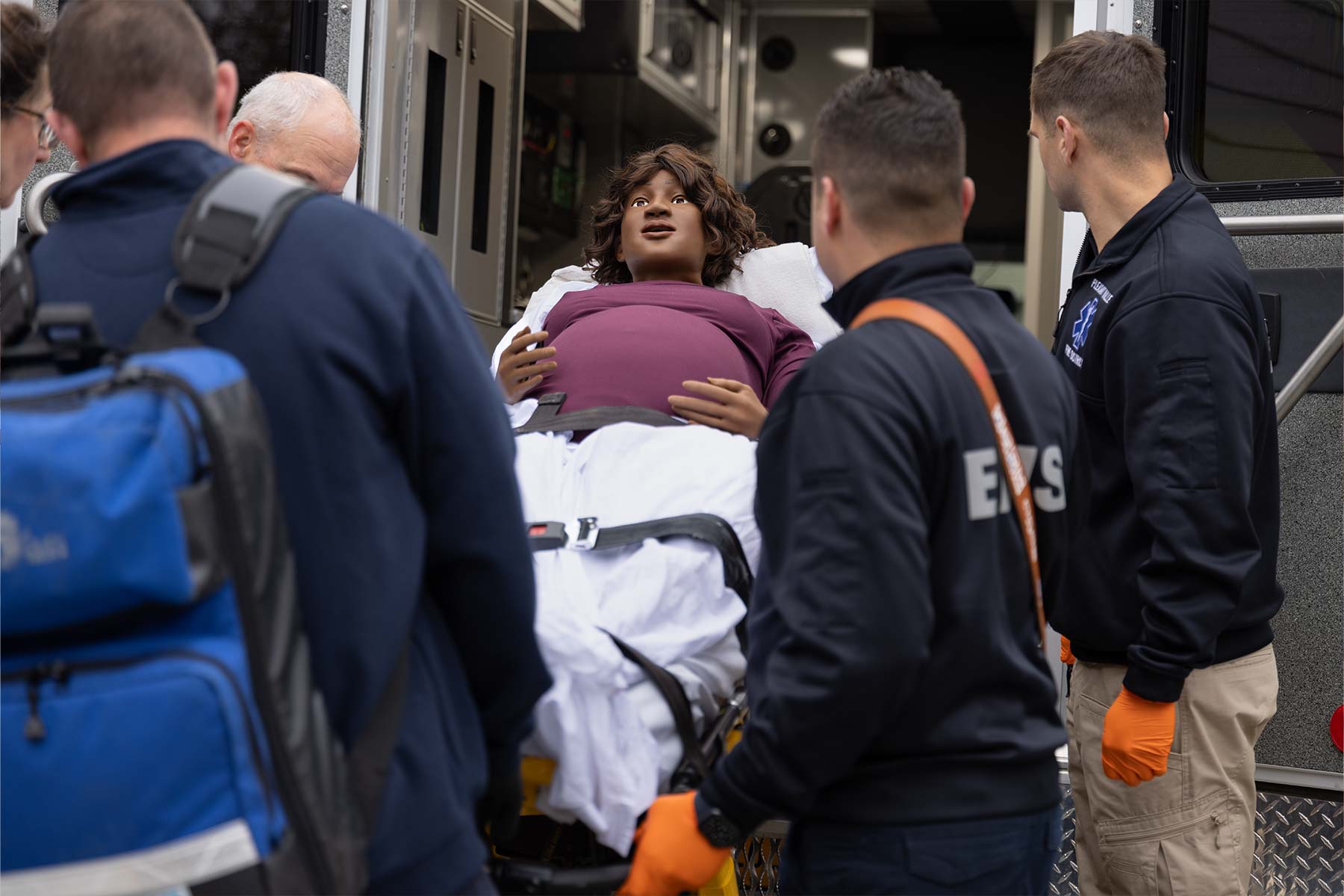
EMS team practicing on a MamaAnne simulator in an ambulance

Why is simulation-based training so critical for EMS teams managing obstetric emergencies in the field?

Melissa: "Simulation for OB in the field is really important because EMS doesn't get a chance to see what birth looks like in the field in a training simulation. So for them, there's not much of a voice for EMS. So to have a voice for them, where they look at a simulation and see themselves instead of a hospital base, is really important.  

We take the simulation, and we put it out into the field, and they get a chance to practice it over and over until they feel comfortable with it. It builds confidence. And with the confidence building, you're also increasing their safety, their learning, and their education."


"Simulation is really important because obstetrics is a high-acuity event with low frequency. This is just not something [EMS sees] every day. And you need to be able to build the skill set if they don't see it that often."

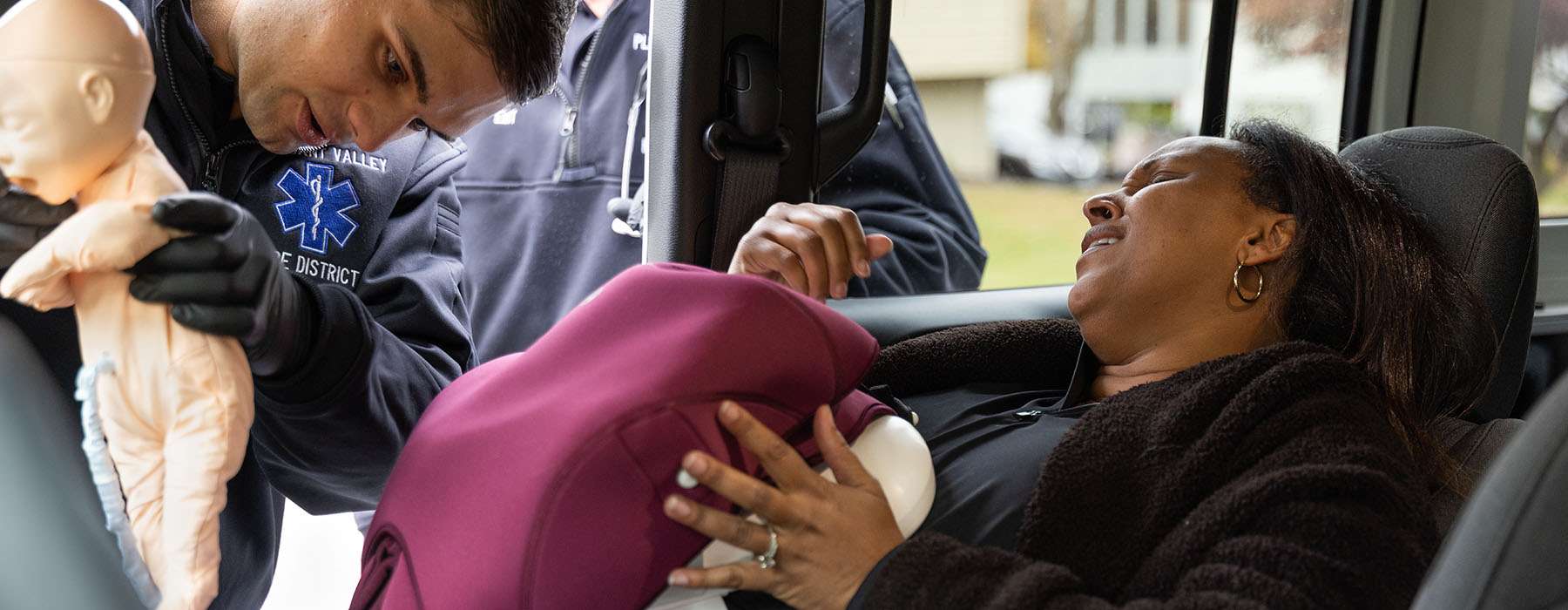
Birth training in vehicle. EMS professionals deliver a baby using a simulator.

What are some of the unique challenges EMS professionals face when caring for newborns and infants—and how can simulation help them feel more prepared?

Melissa: “When a baby is born, is the baby transitioning well? That’s not something that they’re used to seeing. EMS isn’t used to seeing what’s normal and what’s not normal. How are we transitioning this baby? What’s mom going through?  

So for simulation, you’re going to learn how to breathe for a baby if a baby needs breathing. You can then incorporate neonatal resuscitation in if you need to. We can teach you how to transition a baby to skin-to-skin with mom, which is so important.

If a baby is struggling to breathe, I want you to breathe for a baby. I really want you to do that. And so to me, that’s where the simulation comes in. We can practice that out in the field, in your training room, anywhere. You can take a little baby model and you can practice that. You can take a BVM and you can practice it. You can take a supraglottic airway and practice. What is this like, to breathe for a baby?"


"Neonatal resuscitation...you can also practice that at any point, anytime. You can do it as a team. You can do it one-on-one. Build your skill set, build your confidence, build the rote muscle memory that it takes, so you know that you're doing your job well."


"And we want to increase their confidence level and also decrease any moral distress that might happen for them if they feel like they didn't do what they were supposed to do."

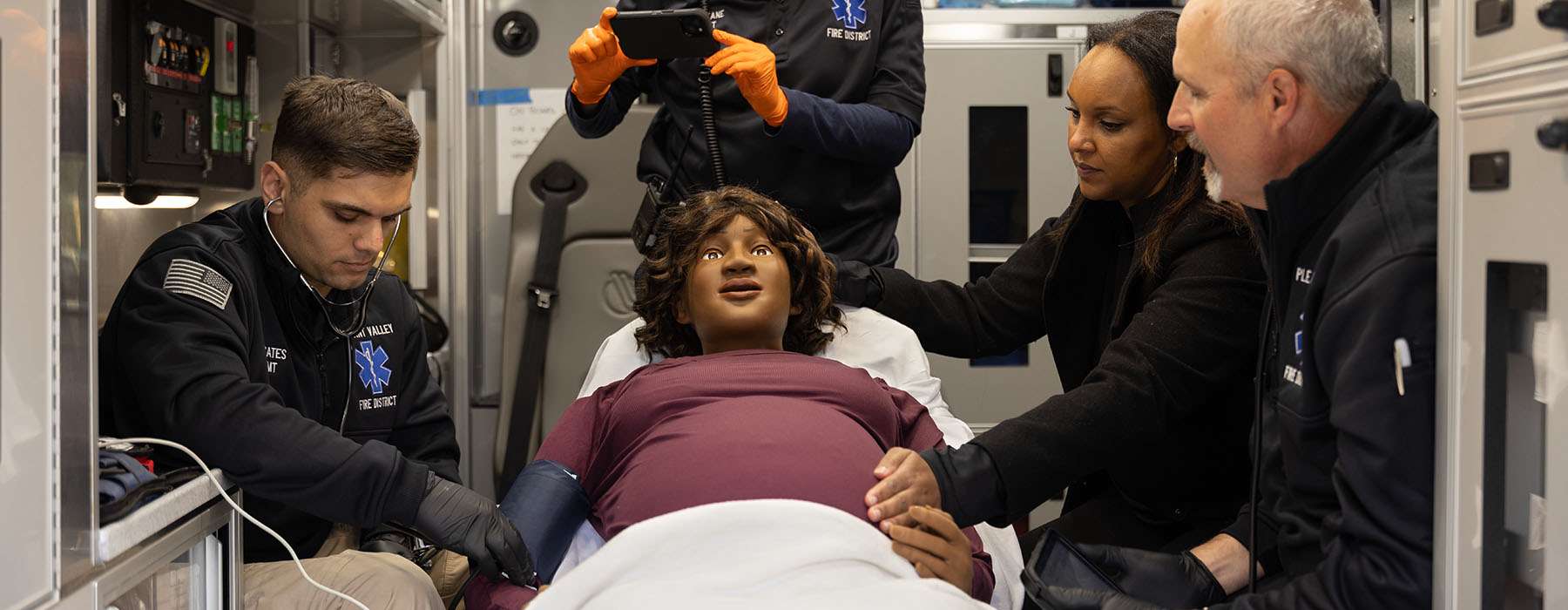
A MamaAnne manikin surrounded by a team of for EMS professionals in an ambulance.

If an EMS agency wants to start or strengthen OB and pediatric simulation training, what’s one practical first step they can take?

Melissa: “Obviously, find somebody who can come in and teach you a community birth way ... because you’re not going to see what a hospital birth is.”  


"Let's face it: your ambulance is not a team where you can press a button on the wall, and you've got respiratory therapy and a neonatal nurse practitioner there. It's just you and your partner and maybe a couple more people."


"So you want to learn your obstetric skillset from a community birth provider if you can. That would be amazing. That's the top of the top in my opinion.

One aspect of this is, again, practicing a skillset over and over until you feel comfortable with it.

If you have the funding, you could purchase a MamaBirthie and you can have that in your squad or in your EMS agency or your fire agency if the funding is there. There are always grant possibilities … get those to supply them for you.  

Look for the training opportunities again. Make phone calls. Just research. You can look at the AIM bundles. ACOG has AIM bundles out now for EMS.

The state of California is also putting out an EMS toolkit for transfers from community birth. It's up and coming. I believe there was a soft launch for that last week. It's out there. It's beginning to be talked about.” 


"We have to be prepared— because with the increase in maternity care deserts, it's going to fall to EMS to pick up some of these pieces."

You may also like...

Solicite más información

Manejaremos sus datos personales de contacto con cuidado como se describe en Laerdal's Privacy Policy.

Manejaremos sus datos personales de contacto con cuidado como se describe en Laerdal's Privacy Policy.