OB/GYNの医療過誤請求を減らす方法
画期的な研究は、患者シミュレーションが産婦人科医にとって最善の防御となる方法を示しています
画期的な研究は、患者シミュレーションが産婦人科医にとって最善の防御となる方法を示しています
医療過誤の訴訟件数の減少が指標として使用されましたが、この研究は最終的には患者の転帰を改善することを目的としています。
この研究は、米国において助産における有害事象がすべての出産のうち2%から16%の間で発生すると推定されることを強調しています。一つの分析では、有害事象の40.5%が防ぐことができたと示されています。2
米国における妊産婦死亡率は、この数十年間で増加し続けています。3 新しいデータでは、2021年の妊産婦死亡率が10万人の生児出生あたり32.9人であり、2020年の23.8人と比較していることが示されています。4 これは妊産婦死亡率が38%増加したことを意味します。 黒人女性の率は非ヒスパニック系白人女性の率の2.6倍でした。
この憂慮すべきデータは、患者の安全だけでなく法的責任に関しても懸念を生じさせます。産婦人科医(OB/GYN)は医療職の中で最も高い医療過誤保険料率を持つ職種の一つであり、5 OB/GYNの79%が医療過誤訴訟に関わったことがあるとされています。6
出産と分娩にどんな関わりを持つ人であれ、これらの数字に影響を与えるための取り組みを優先する価値があることをデータは確認しています。
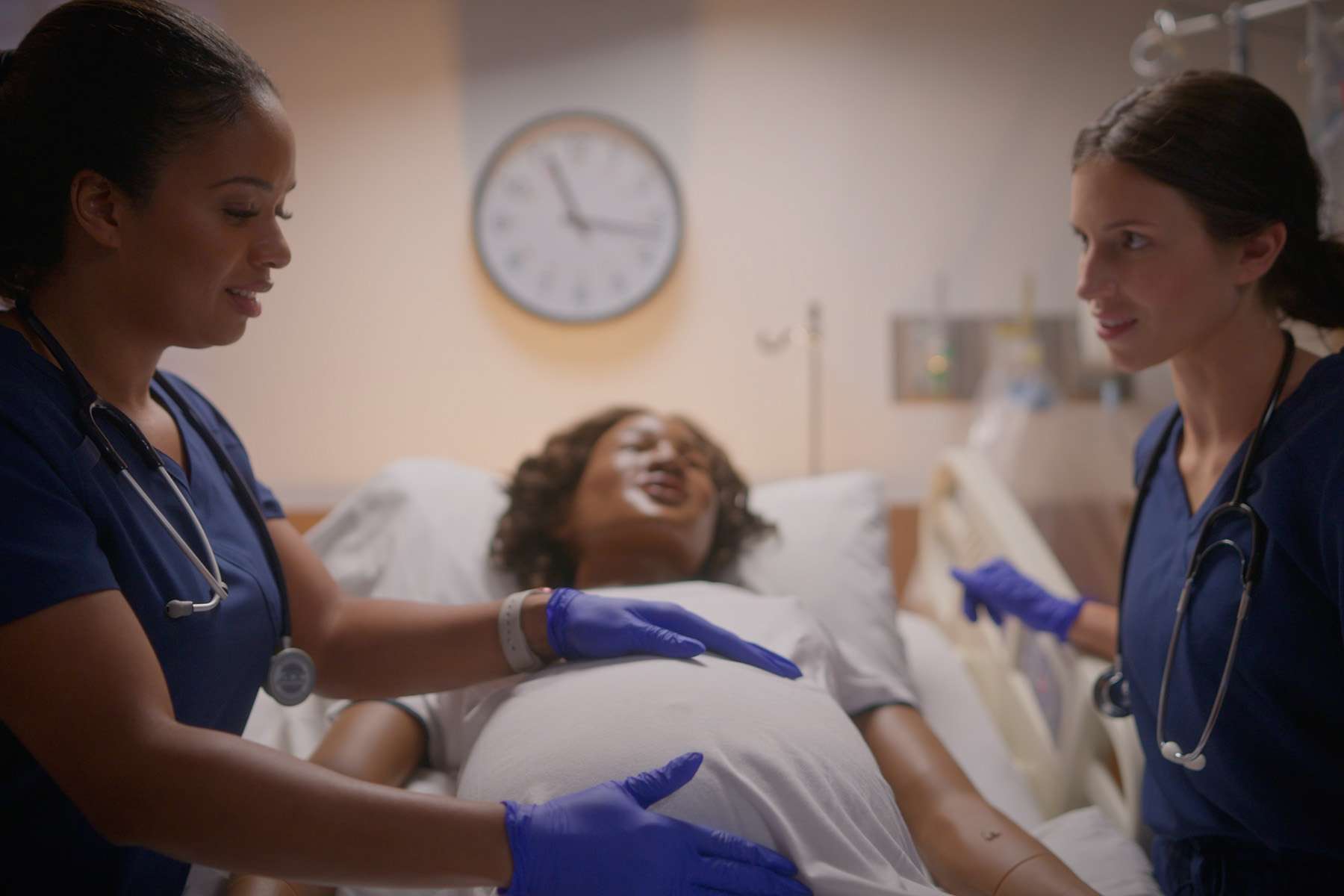
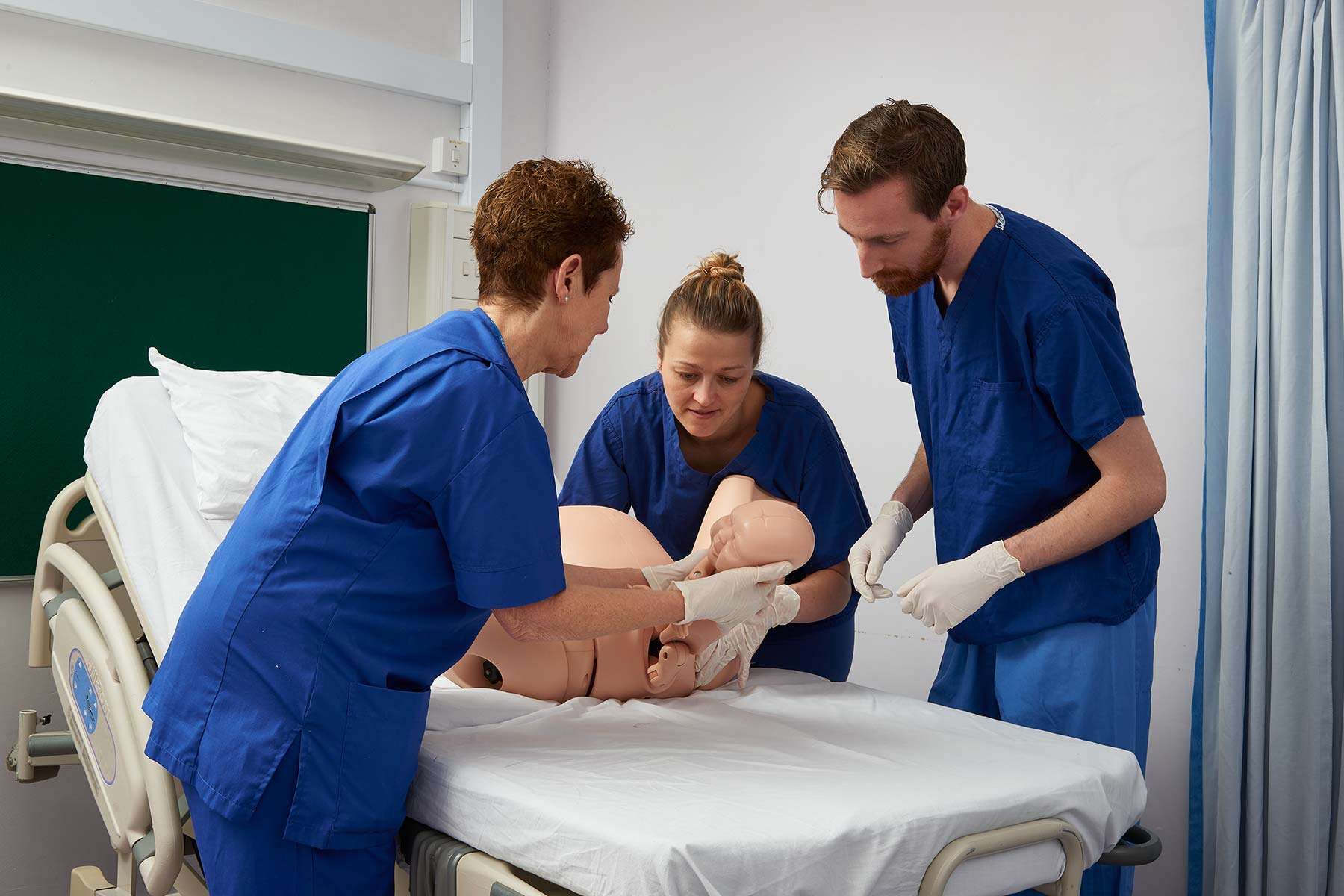
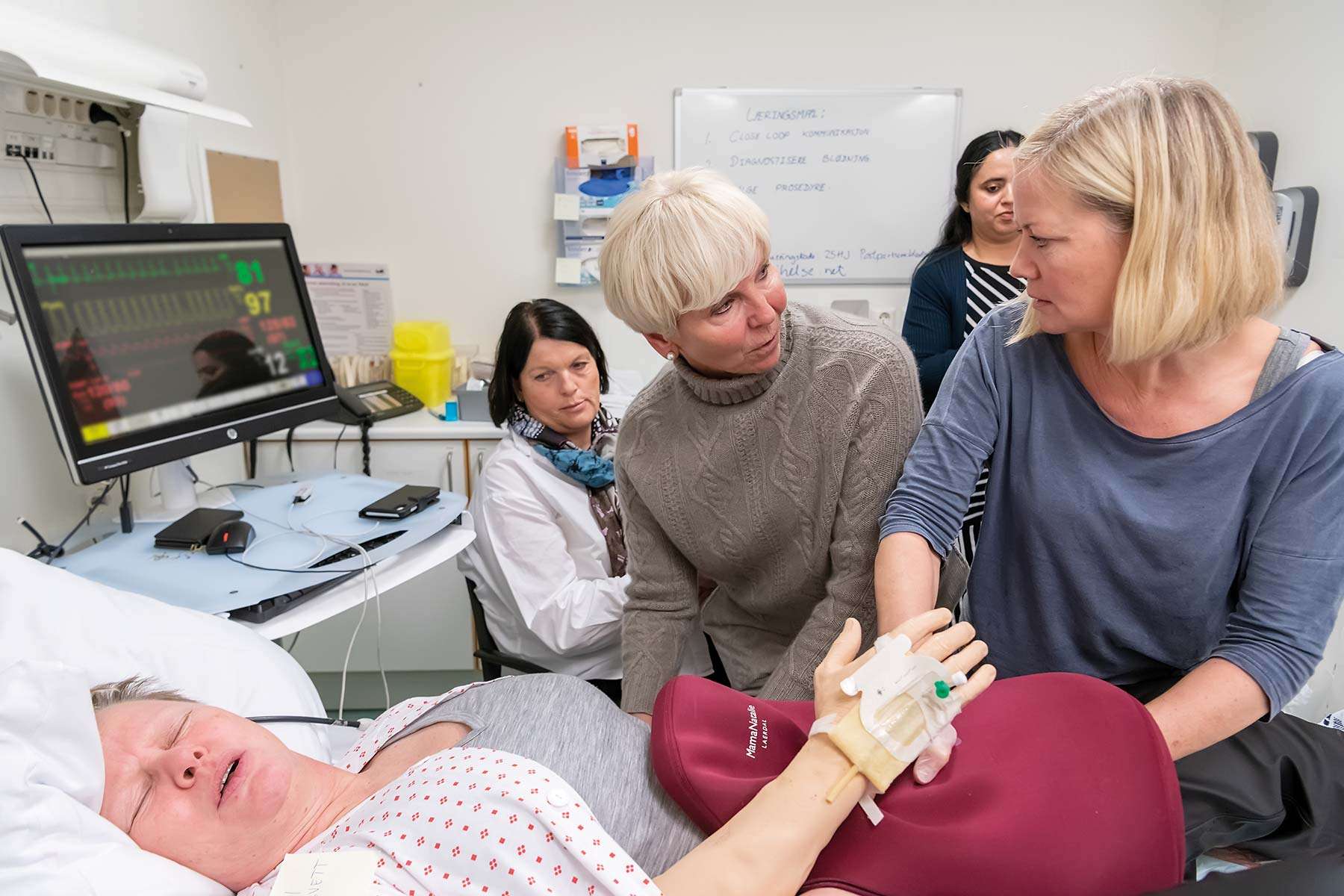
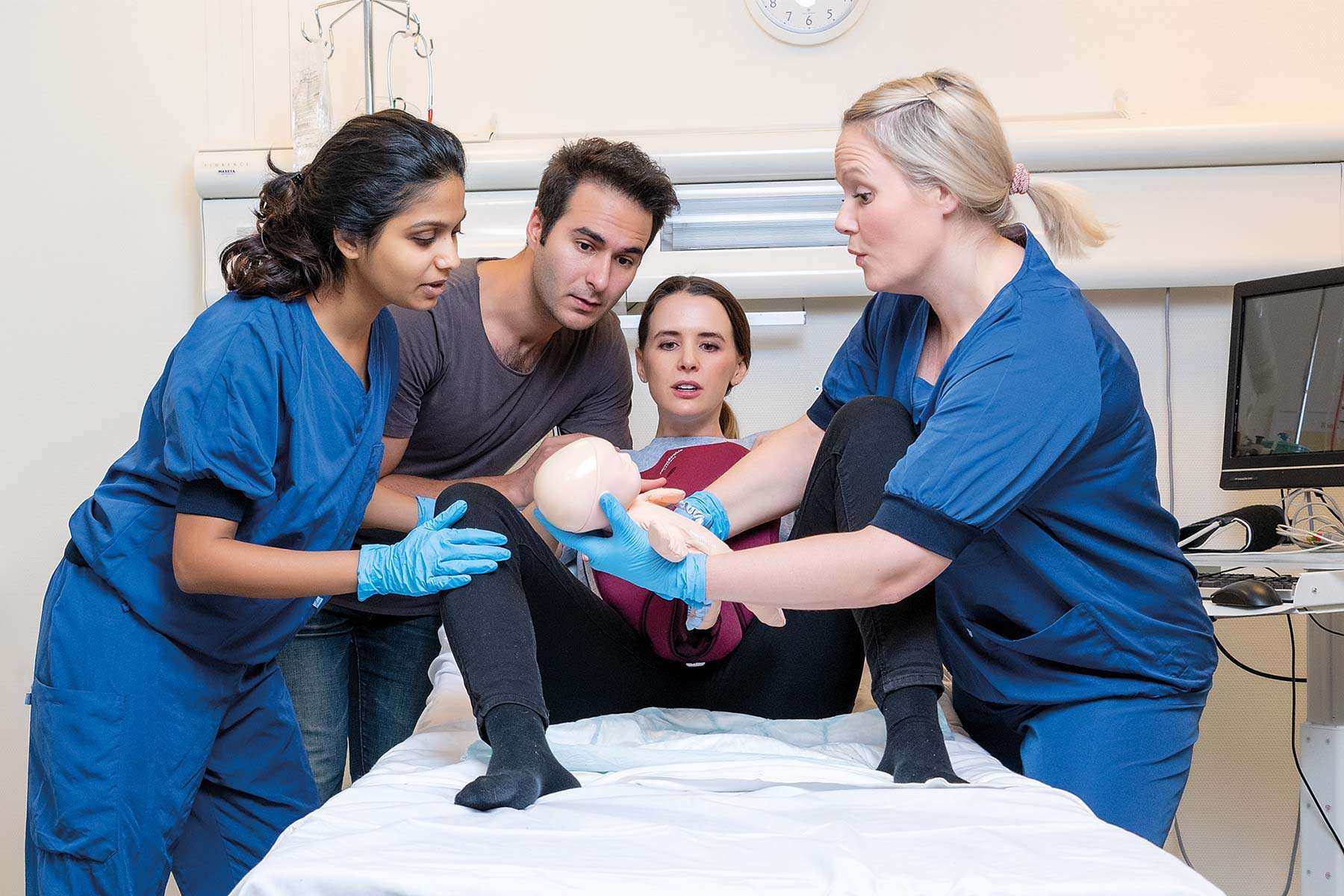
回顧的研究は、以下の4つの機関に所属する医師やスタッフによって主導されました:医療シミュレーションセンター、ブリガム&ウィメンズ病院、ハーバード大学医学部、およびハーバード医療機関のCRICO/リスク管理財団。7 彼らは、同じ保険会社に加入しており、2002年から2019年までの間に1回以上のシミュレーショントレーニングを受けた292人の産婦人科医のパフォーマンスを調査しました。トレーニングは、発生頻度が低く、重大度の高い産科シナリオを対象とし、チームワーク、コミュニケーション、組織文化に焦点を当てて行われました。各トレーニングの後には直ちに振り返りが実施されました。
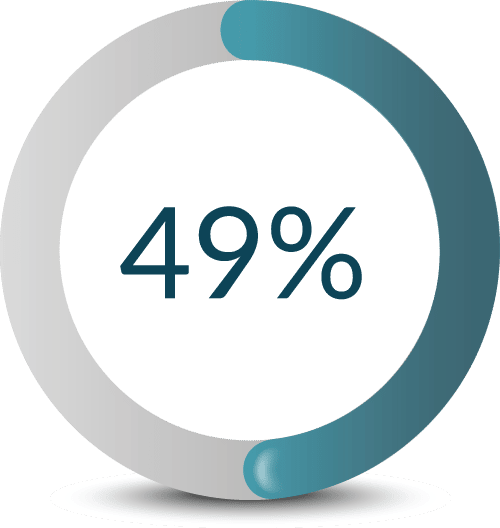
研究で明らかとなったのは、シミュレーショントレーニングによって医療過誤の訴訟率がほぼ50%減少したことです。
さらに研究によって明らかになったのは、複数回のシミュレーションセッションへの参加が訴訟率のさらなる減少と関連していたことです。3回以上のトレーニングを受けた医師は、1回のトレーニングのみを受けた医師よりもシミュレーション後の訴訟率が著しく低かったことが示されました。
過去にもこの分野での研究が行われていましたが、それほど広く知られていませんでした。
2012年、Premier Hospitalネットワークは、産科医を訓練し、周産期の緊急事態への対応手順を支援するためのPremier Perinatal Safety Initiativeに参加した14の病院を対象とした類似の研究を発表しました。これら14の病院では、トレーニング方法としてシミュレーションを使用しました。その結果、13の病院で分娩あたりの産科訴訟件数が37%減少したという成果が得られました。9, 10
シミュレーションプログラムの有効性を測定することは、困難な場合があります。多くの研究では、臨床結果への影響を検討するのではなく、参加者がトレーニングが有益であると感じたか、または自分のスキルが向上したと信じているかを測定するためにリッカート尺度が使用されます。11 リッカート尺度は、参加者に陳述を提示し、「非常に同意する」から「中立」さらには「非常に不同意する」といった値を使い、陳述にどの程度賛同するかを評価する方法です。12
この研究では、リッカート尺度や他の測定基準の代わりに、医療過誤請求が実質的に使用されています。この研究は、請求率が成功を示す客観的かつ具体的な指標であることを指摘しています。主要な保険会社であるCRICOが、データ収集を監督し、公平性や信頼性を確保しました。
シミュレーションが病院の収益に与える影響について、この研究はシミュレーションがどのように利益をもたらすかを明確に示しています。
研究の著者は専門家が以前から知っていたことを裏付けました:シミュレーショントレーニングで習得されたスキル、すなわち、高度治療状況における効果的なチームワークは、安全なケアを促進し、結果として将来的に医療過誤訴訟になる可能性のある不利な結果を減少させるのに役立つ。13
コミュニケーションとチームワークに関する懸念と、それらが患者の結果にどのように影響するかに関する議論は、1999年に出版されたアメリカ医学研究所の有名な報告書、To Err Is Humanまで遡ります。不利な患者イベントの根本原因を検討すると、コミュニケーションとチームワークの崩壊が共通の要因であることがわかります。
当然、不利なイベントに関連するコミュニケーションの問題は、責任にも影響を与えます。ある研究では、OB-GYNに対する医療過誤訴訟の16-36%がコミュニケーションミスに関与していることがわかりました。15, 16
かつては、コミュニケーションとチームワークのスキルが臨床スキルとは別物と見なされていました。今日では、それらは臨床スキルの提供と患者の安全性の一部として不可欠と考えられています。
一般的な病院のリスク管理予算の50%以上が、分娩および出産に費やされています。18 医療過誤保険の驚くべき費用が、病院に代替手段を探す状況をもたらしています。米国医療リスク管理協会が実施した研究によれば、病院のリスク管理者の80%が自費で医師の保険を負担しているとされています。19 これらすべては分娩および出産に関連するリスク、そして患者にとっての潜在的な結果を指しています-それらの結果は、専門家が同意するように多くの場合防げるものです。
母体死亡率が上昇し続けている中、Laerdalはこの傾向を逆転させるために取り組んでいます。
Laerdalの使命は、命を救うことです。この使命を遂行するために、シミュレーションを活用して組織がスタッフを教育・訓練し、最適なケアを提供できるよう支援しています。私たちの目標は、2030年までに年間100万件の命を追加で救うことです。医療における必要性が重要な特定分野を探求し、現在では特に分娩および出産が重要な分野となっています。
以下では、シミュレーションを活用して母体患者の安全性を向上させつつ、責任を軽減するためのリソースが豊富に提供されています。また、Laerdalの担当者と話したい場合は、以下のフォームにご記入ください。