SimCapture für die Krankenpflegeausbildung
Entdecken Sie, wie Simulation mit SimCapture dazu beiträgt, die Kompetenzen zu entwickeln, die Krankenpflegestudierende für die klinische Praxis benötigen.
Weitere InformationenVon Evidenz zu Praxisreife
Wenn Sie in der Pflegeausbildung tätig sind, kennen Sie die Herausforderung: Praktische Fertigkeiten müssen konsistent vermittelt, bewertet und über unterschiedliche Lerngruppen hinweg vergleichbar dokumentiert werden. Gleichzeitig stellt sich die Frage, welche psychomotorischen Fertigkeiten für eine sichere klinische Praxis tatsächlich priorisiert werden sollten.
Im Webinar "Von der Evidenz zur Praxis: Wesentliche Fertigkeiten in der Pflegeausbildung validieren" (siehe unten) präsentieren führende Pflegebildungsexperten aktuelle Forschungsergebnisse zur Identifikation essenzieller psychomotorischer Fertigkeiten sowie evidenzbasierte Strategien zur Entwicklung klinischer Handlungskompetenz.
Dazu gehören unter anderem Scaffolding, simulationsbasiertes Mastery Learning und datengestützte Assessment-Ansätze.
In diesem Artikel fassen wir die wichtigsten Erkenntnisse zusammen.
– Beth Hallmark, PhD, RN, CHSE-A, ANEF, FAAN
Professorin am Inman College of Nursing
Belmont University

Trotz der weithin bekannten Tatsache, dass psychomotorische Fähigkeiten von entscheidender Bedeutung sind, unterscheiden sich die Ausbildungsprogramme erheblich darin, welche Fertigkeiten sie priorisieren und wie sie diese lehren und beurteilen.
Dr. Beth Hallmark, Professorin am Inman College of Nursing der Belmont University, erklärte, dass nationale Akkreditierungsstellen zwar Ergebnisse und Verhaltensweisen betonen, aber nur selten festlegen, welche psychomotorischen Fähigkeiten tatsächlich unerlässlich sind. „Es gibt wirklich keine allgemein anerkannte Liste psychomotorischer Fähigkeiten“, merkte Dr. Hallmark an.
Infolgedessen müssen die Ausbildungsprogramme selbst entscheiden, welche Fertigkeiten am wichtigsten sind, wo diese vermittelt werden sollten und wie die klinische Handlungskompetenz beurteilt werden sollte. Dies hat zu großen Unterschieden in der Curriculumentwicklung und den Bewertungspraktiken geführt.
Die Vortragenden führten eine Delphi-Studie zu wesentlichen psychomotorischen Fähigkeiten für Pflegekräfte vor der staatlichen Zulassung durch. Sie überprüften sieben aktuelle Pflegelehrbücher und bezogen akademische sowie klinische Lehrende in mehrere Runden der Expertenbewertung ein.
Die meisten der 95 wesentlichen Fähigkeiten fallen in vier Bereiche:
Die Studie hat außerdem die Bereiche geklärt, auf die sich Ausbildungsprogramme bei der formalen Bewertung konzentrieren könnten. Etwas weniger als die Hälfte der wesentlichen Fähigkeiten wurde für eine formale Kompetenzbeurteilung in Ausbildungsprogrammen vor der staatlichen Zulassung empfohlen.
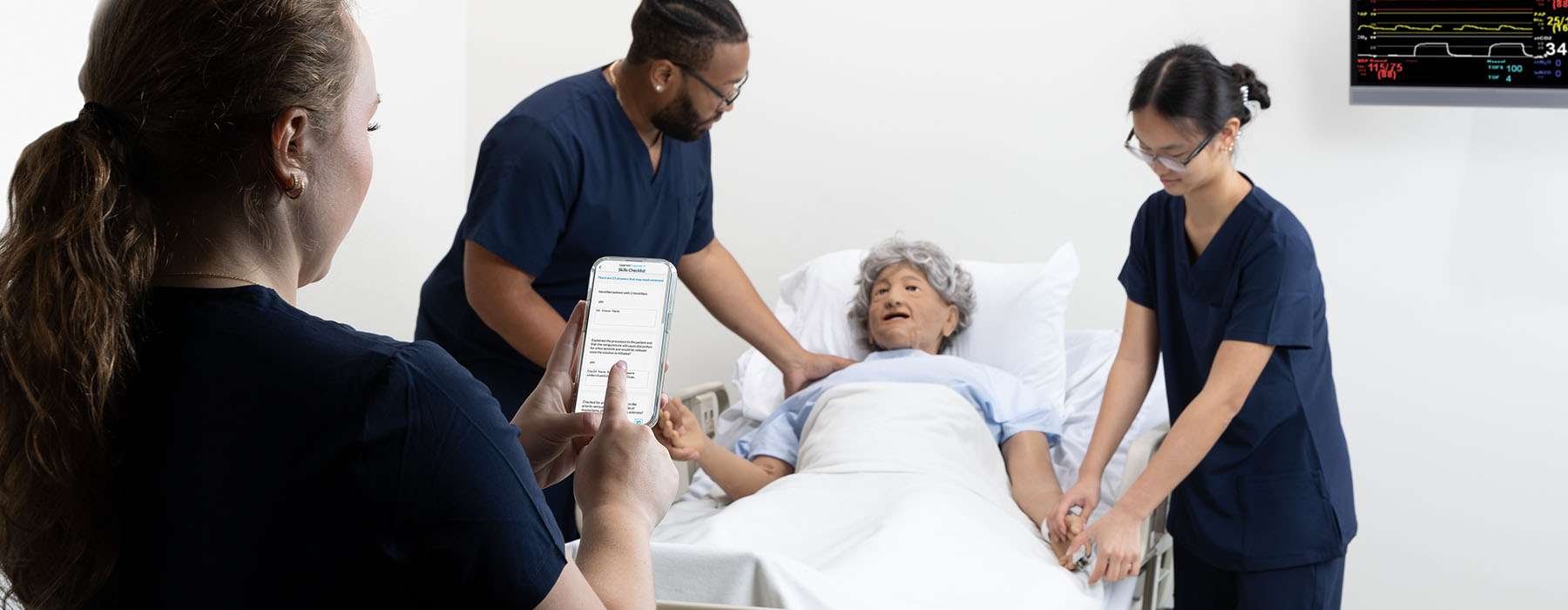
„Expertinnen und Experten waren sich überwältigend einig, dass Labor und Simulation die bevorzugte Umgebung für das Lehren essenzieller psychomotorischer Fähigkeiten sind,“ sagte Dr. Fara Bowler, DNP, APRN, CHSE-A, Associate Professorin und Associate Dean of Clinical Simulation Science am College of Nursing der University of Colorado.
Dieses Ergebnis spiegelt einen bedeutenden Wandel darin wider, wie die Pflegeausbildung Simulation betrachtet. Ausbildungsprogramme reservieren Simulation nicht länger ausschließlich zur Vertiefung. Stattdessen setzen sie zunehmend auf Labore und Simulation als primäre Lernumgebungen.
„Wir fanden das interessant, weil Simulation vor 15 Jahren gerade erst als Lehrmethode aufkam und nicht als primäre Lehrumgebung betrachtet worden wäre“, sagte Dr. Bowler.
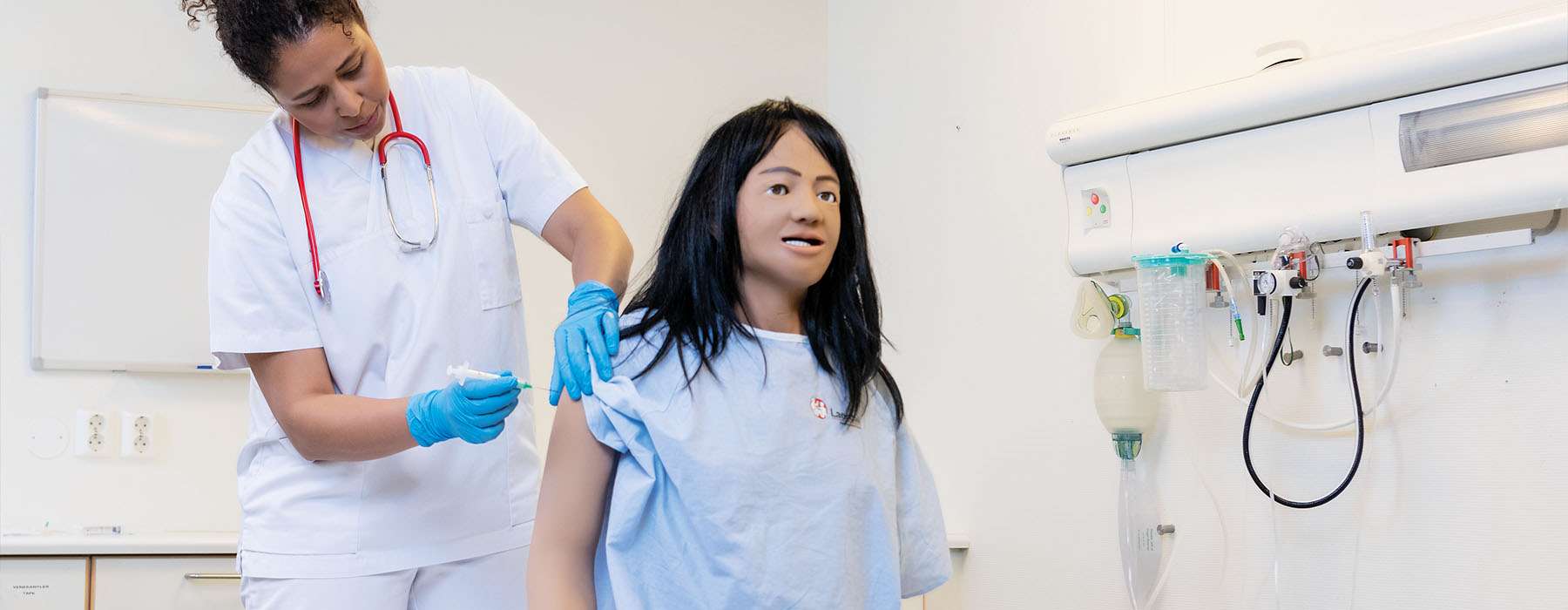
Beim Erlernen klinischer Fertigkeiten müssen Lernende gleichzeitig motorische Abläufe, klinische Entscheidungsfindung, Kommunikation und Dokumentation bewältigen. Diese Anforderungen können die Kapazität des Arbeitsgedächtnisses schnell überschreiten.
„Selbst der leistungsfähigste Studierende wird Schwierigkeiten haben, wenn die kognitive Anforderung die Kapazität des Arbeitsgedächtnisses übersteigt“, erklärte Dr. Bowler.
Um dieser Herausforderung zu begegnen, betonten die Vortragenden Scaffolding. Scaffolding strukturiert das Lernen so, dass Studierende Kompetenz schrittweise statt auf einmal aufbauen.
Dr. Bowler erläuterte die folgenden Schritte für wirksames Scaffolding:
– Fara Bowler, DNP, APRN, CHSE-A
Associate Professor, Assistant Dean of Clinical Simulation Science University of Colorado College of Nursing

Susan Hébert erläuterte, wie simulationsbasiertes Mastery Learning Lernenden ermöglicht, klinische Fertigkeiten durch gezieltes Üben, kontinuierliches Feedback und nachgewiesene Kompetenzentwicklung schrittweise zu beherrschen.
„Simulationsbasiertes Mastery Learning ist ein kompetenzbasierter Bildungsansatz, der es Lernenden ermöglicht, sich durch gezieltes Üben weiterzuentwickeln,“ erklärte sie.
Dr. Hébert berichtete, dass die Merkmale des gezielten Übens im Rahmen des Mastery Learning Folgendes umfassen:
Dieser Ansatz verlagert den Fortschritt von einer zeitbasierten Übung hin zu nachgewiesener Kompetenz.

Dr. Hébert beschrieb, wie die University of Tennessee Knoxville SimCapture und SimCapture for Skills einsetzt, um das Üben und Bewerten psychomotorischer Fertigkeiten zu unterstützen.
“Wir haben begonnen, SimCapture zu nutzen, um nicht nur das zu verwalten, was wir in unserer High-Fidelity-Umgebung tun, um szenariobasierte Leistungen aufzuzeichnen und zu bewerten, sondern wir beginnen nun auch, es in dem zu verwenden, was wir im Skills-Lab-Bereich machen,” teilte sie mit.
Zu den Möglichkeiten, wie Dr. Hébert SimCapture einsetzt, gehören:
“Eine meiner Lieblingsfunktionen von SimCapture ist, dass ich, wenn ich sehen möchte, wie eine Gruppe von Studierenden bei der Ausführung einer bestimmten Fertigkeit abschneidet, diese Daten abrufen kann ... und ich zeigen kann, welcher Prozentsatz der Studierenden jeden Schritt korrekt ausgeführt hat,” sagte sie.
“Wir können dies an unsere Kurskoordinatoren und unsere Curriculums-Ausschüsse zurückgeben, um zu informieren, wo wir das Lernen verstärken müssen, in dem die Gruppe als Kohorte möglicherweise Schwächen hat,” fügte sie hinzu.
Zum Abschluss des Webinars fassten die Referenten die wichtigsten Empfehlungen für Pflegepädagogen und Programmverantwortliche zusammen.

PhD, RN, CHSE
Stellvertretende Dekanin für Simulation am College of Nursing
University of Tennessee Knoxville
Das Webinar zeigt anhand aktueller Forschungsergebnisse und praxisnaher Beispiele, wie psychomotorische Fertigkeiten evidenzbasiert vermittelt, geübt und bewertet werden können. Im Mittelpunkt stehen die Entwicklung klinischer Handlungskompetenz, die Förderung der Praxisreife sowie eine konsistente Kompetenzbewertung innerhalb von Ausbildungsprogrammen.