Healthcare Quality Improvement
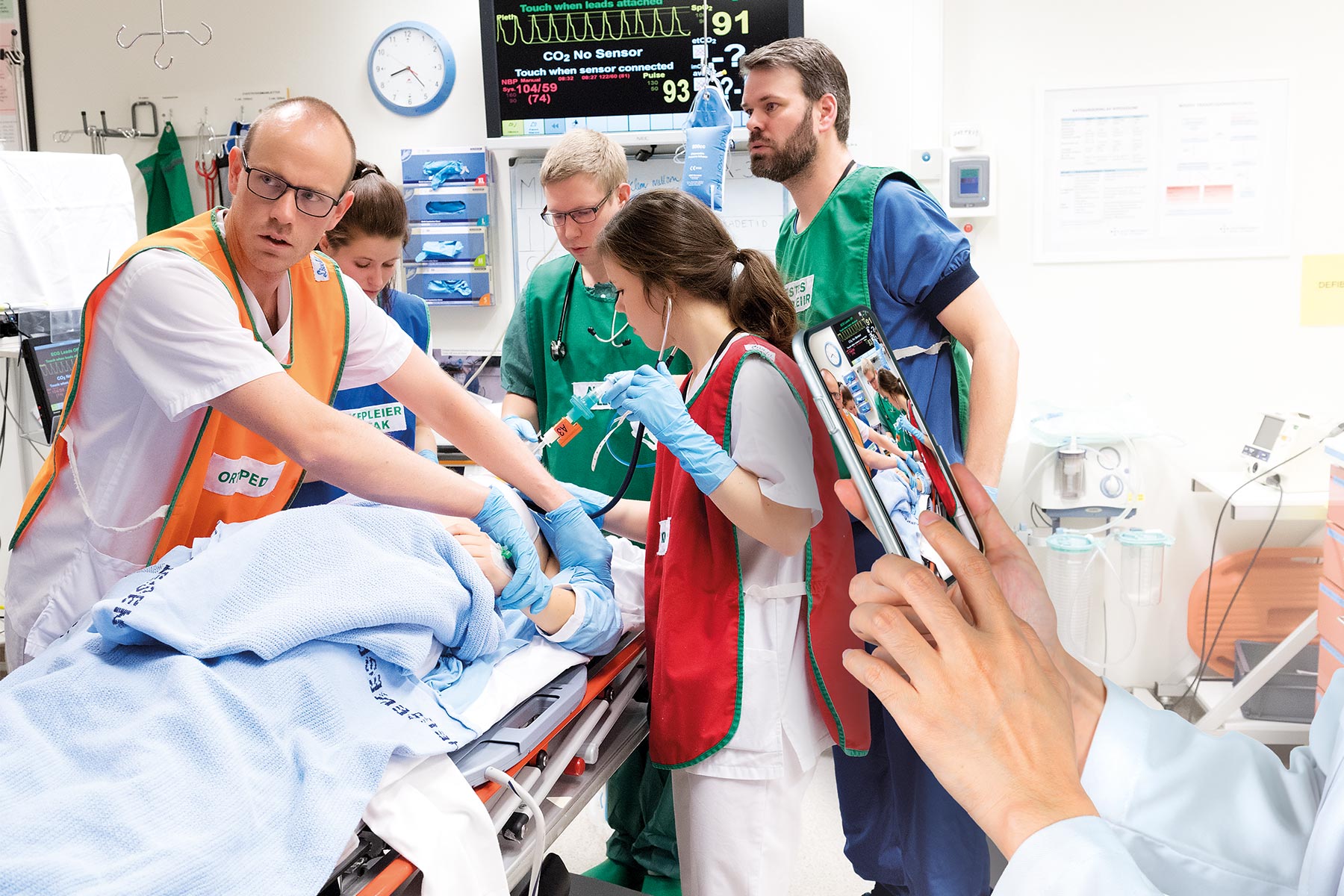
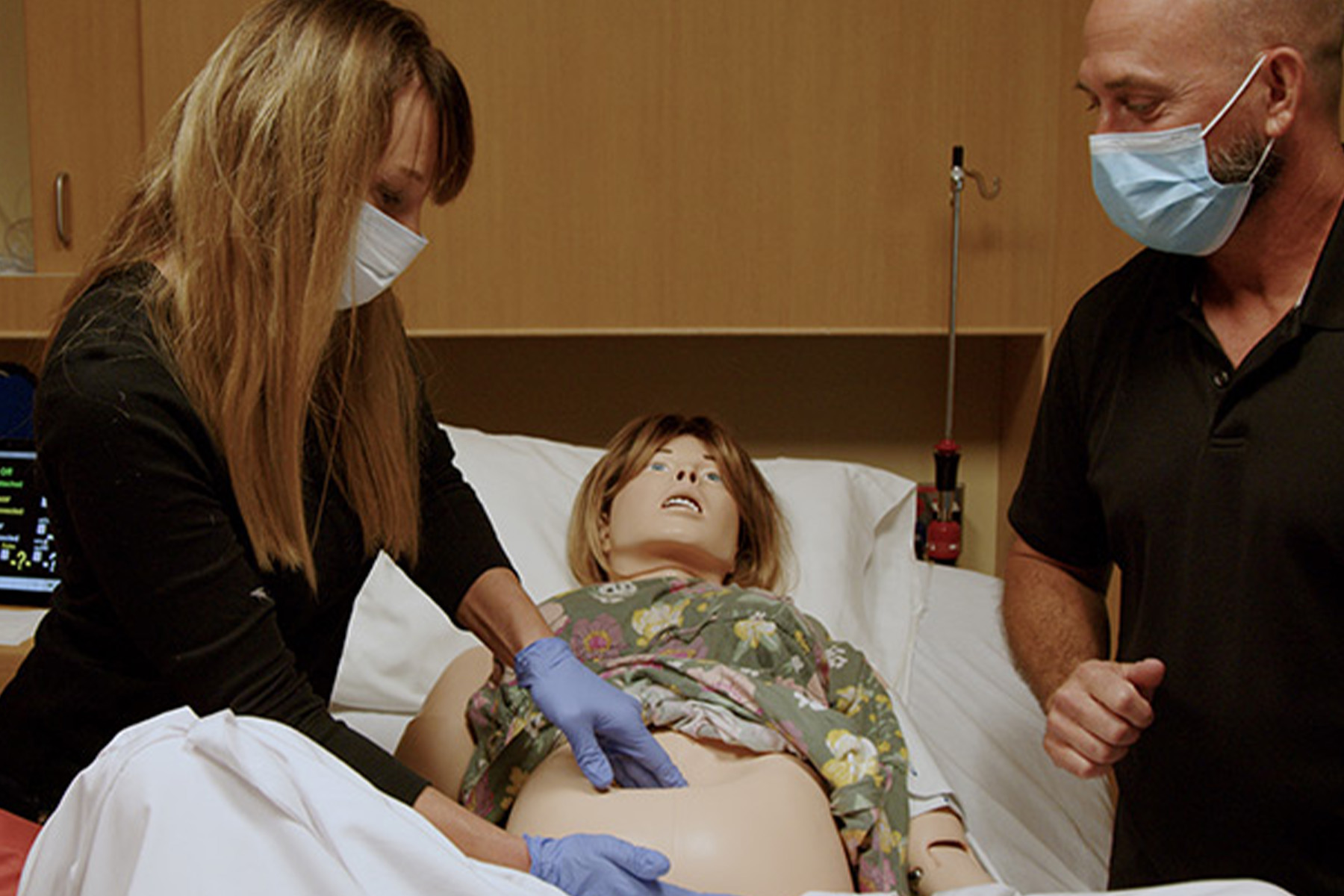
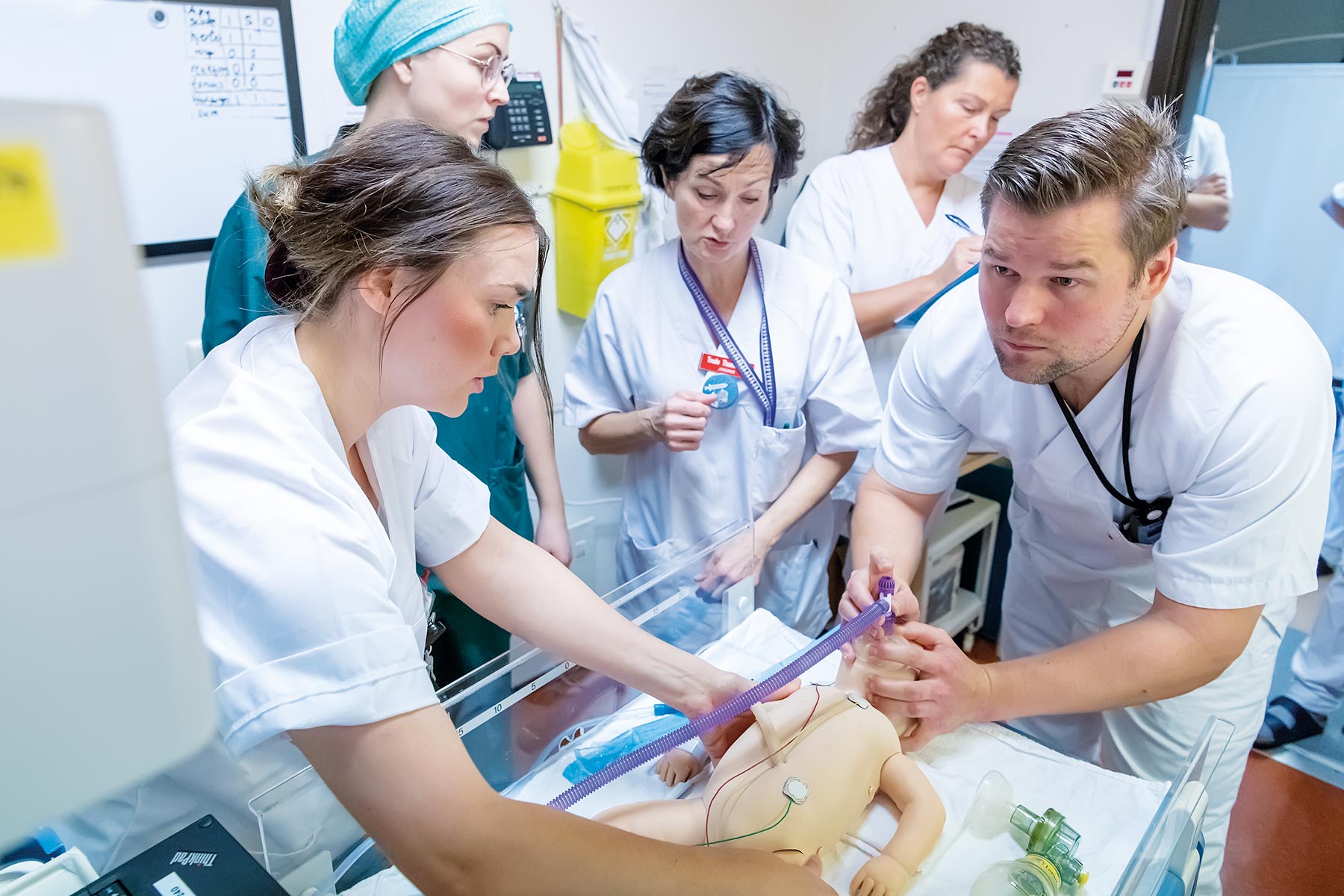
Die Qualitätsverbesserung im Gesundheitswesen macht sich die Patientensimulation als leistungsstarkes Instrument zur Verbesserung der Teamleistung und der Systemeffizienz zu eigen.
Weitere InformationenEin Interview mit Ryan Aga

Wir haben mit Ryan Aga, Director of Clinical Simulation bei HealthPartners, darüber gesprochen, wie Simulationen zur nachhaltigen Verbesserung der Versorgungsqualität im Gesundheitswesen beitragen können. Sehen Sie sich das Video an oder lesen Sie das nachfolgende Interview.
„Mein Name ist Ryan Aga und ich bin für den Bereich Simulation bei HealthPartners verantwortlich. Wir sind ein großes integriertes Gesundheitssystem im Mittleren Westen der USA mit Einrichtungen in Minneapolis, Bloomington und der gesamten Metropolregion Minneapolis-Saint Paul.“
“Für mich ist Simulation ein Raum, in dem Menschen ganz natürlich miteinander in Verbindung treten. Sie kommen im Rahmen eines Szenarios zusammen, und die menschliche Perspektive wird ein zentraler Bestandteil der Lernerfahrung. Menschen können offen über ihre größten Erfolge sprechen, aber auch über Situationen, in denen etwas nicht gut gelaufen ist.
In meinen mehr als zwanzig Jahren im Gesundheitswesen habe ich nur selten erlebt, dass Teams die Möglichkeit haben, sich bewusst Zeit zu nehmen, offen Erfahrungen auszutauschen, wiederholt Fehler machen zu dürfen und gemeinsam daran zu arbeiten, besser zu werden.”
“Ein wichtiger Aspekt, den ich in unser Team und unser Programm einbringe, ist der Aufruf der Joint Commission, Qualitäts- und Sicherheitsteams enger mit Simulationsprogrammen zu vernetzen.
Im Grunde haben wir seit Jahren zwei engagierte Gruppen, die sich mit Qualität und Sicherheit beschäftigen. Allerdings arbeiteten sie häufig getrennt voneinander und in unterschiedlichen Strukturen. Dieser Aufruf hat dazu geführt, dass beide Teams enger zusammenarbeiten, voneinander lernen und ihre Stärken bündeln, um die Qualität der Versorgung und die Patientensicherheit gemeinsam weiter zu verbessern.”
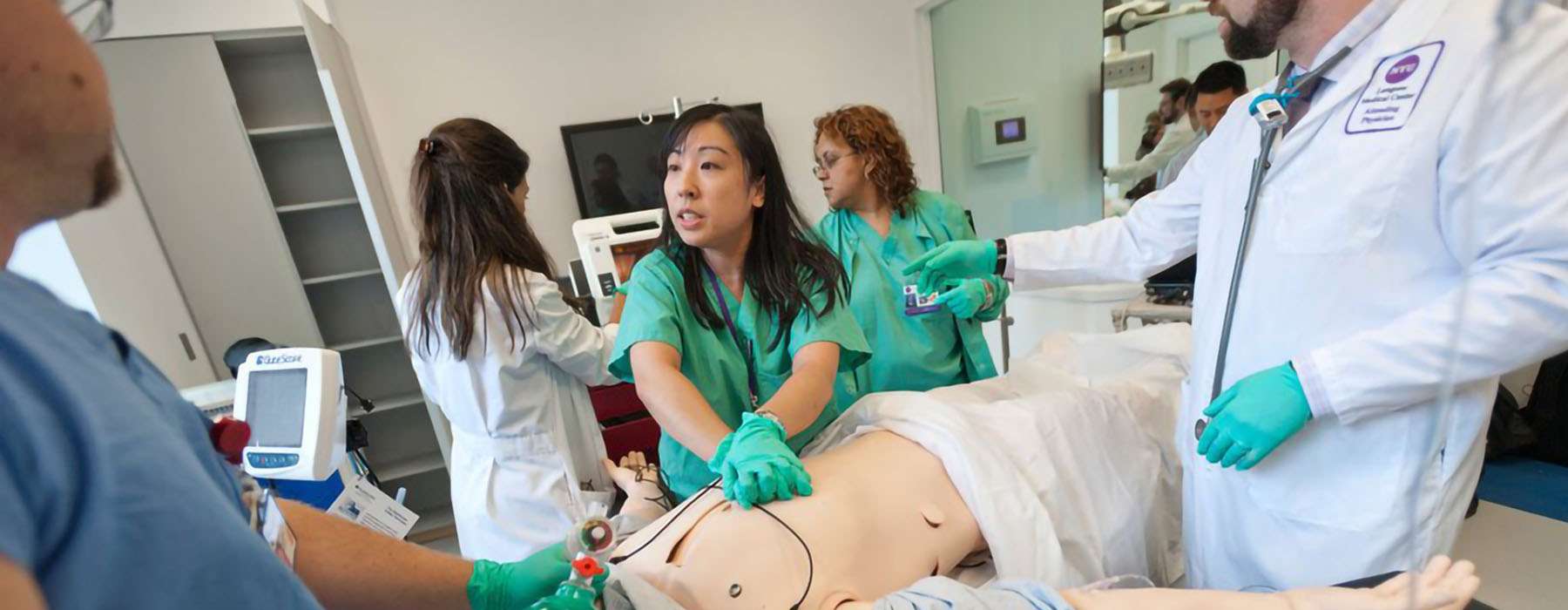
“Die Arbeit in diesem Bereich ist unglaublich spannend. Entscheidend ist dabei aus meiner Sicht die enge Zusammenarbeit mit den Teams für Qualität und Patientensicherheit bei HealthPartners. Wir haben eine sehr starke Partnerschaft mit unserer Chief Quality Officer Cara aufgebaut. Sie hat einen umfassenden Überblick über die Qualitäts- und Sicherheitsinitiativen in unseren Krankenhäusern, Kliniken und Zahnkliniken.
Ich bin eines Tages zu ihr gegangen und habe gefragt: ‚Cara, wo braucht ihr unsere Unterstützung heute und wo werdet ihr sie in fünf oder zehn Jahren brauchen?‘ Dadurch konnte sie aus strategischer Perspektive die Bereiche identifizieren, in denen die größten Potenziale zur Verbesserung von Qualität und Patientensicherheit bestehen.“
“Eines der Themenfelder, die sie identifiziert hat, war Sepsis, insbesondere eine neue Initiative zum Management des septischen Schocks. Gemeinsam mit Mitarbeitenden der Notaufnahme, Ärztinnen und Ärzten, Pflegefachpersonen, der Krankenhausapotheke, dem EPIC-Team für die elektronische Patientenakte sowie den Qualitäts- und Sicherheitsteams haben wir eine translationale Simulation entwickelt.
Wir haben alle Beteiligten zusammengebracht, um ein gemeinsames Verständnis dafür zu schaffen, wie die Versorgung von Patientinnen und Patienten mit septischem Schock verbessert werden kann, insbesondere im Hinblick auf die rechtzeitige Antibiotikagabe.
Anschließend begleiteten wir das Team bei der Entwicklung des neuen Protokolls. Dabei nutzten wir Simulation nicht nur zur Schulung, sondern erstmals auch zur Entwicklung und Überprüfung von Richtlinien und Prozessen.
Im Rahmen der Simulation entwickelten wir das neue Code-Septic-Shock-Protokoll und die dazugehörige Richtlinie. Dabei identifizierten wir acht verschiedene Schwachstellen, bei denen das klinische Team feststellte: ‚So funktioniert das nicht. Wir brauchen Anpassungen, andere Geräte oder zusätzliche Materialien, damit dieser Ablauf in der Praxis umgesetzt werden kann.‘
Bevor das Protokoll in die klinische Versorgung eingeführt wurde, haben wir diese Punkte mehrfach überarbeitet und optimiert. Aus meiner Erfahrung in der direkten Patientenversorgung weiß ich: Werden Richtlinien ohne die Beteiligung der Mitarbeitenden an der Basis entwickelt, entstehen häufig inoffizielle Umgehungslösungen. Solche Workarounds bergen Risiken und können die Patientensicherheit gefährden.”
“Letztlich kommt alles auf die Zusammenarbeit mit den Teams für Qualität und Patientensicherheit an. Gemeinsam gilt es herauszufinden, an welchen Stellen Herausforderungen bestehen und wo Simulation den größten Beitrag leisten kann.”
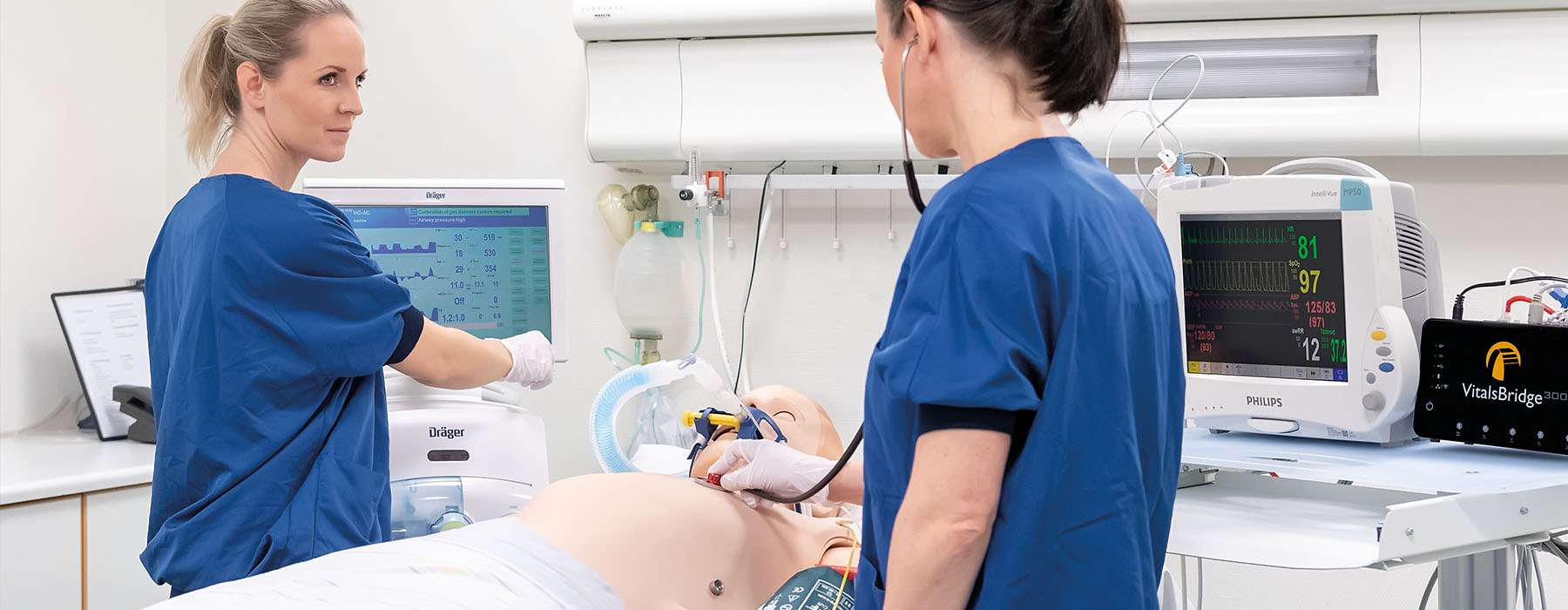
„In Simulationsprogrammen sammeln wir einige der wertvollsten Daten, die eine Gesundheitsorganisation überhaupt haben kann. Deshalb ist es wichtig, das Potenzial dieser Disziplin sichtbar zu machen. Wir erhalten direktes Feedback aus der klinischen Praxis darüber, welche Prozesse verbessert werden müssen und welche bereits gut funktionieren.
Wenn eine lernende Organisation langfristig erfolgreich sein möchte, sollte Simulation ein zentraler Bestandteil ihrer Strategie sein. Simulation bildet die Grundlage für Lernen und Weiterentwicklung in Ausbildungseinrichtungen und Gesundheitssystemen gleichermaßen. Die dabei gewonnenen Erkenntnisse sollten organisationsweit geteilt werden, damit sie dazu beitragen können, die Versorgung zu verbessern und letztlich Leben zu retten.“
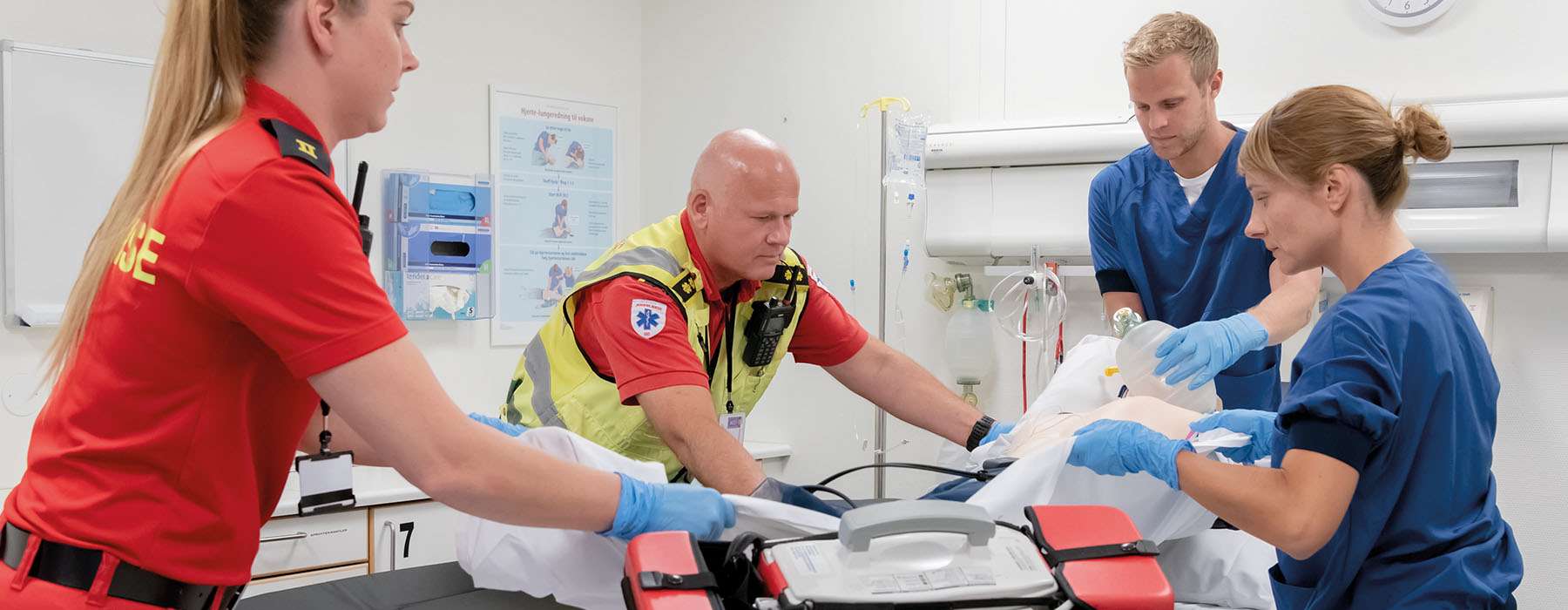
„Ich würde sagen, einer der entscheidenden Faktoren für die Zukunftsfähigkeit von Gesundheitssystemen ist die wertorientierte Versorgung. Und diese basiert letztlich auf Qualität und Patientensicherheit. Führungskräfte kennen bereits die Erfolge von Simulation in Aus- und Weiterbildungsprogrammen. Der nächste Schritt besteht darin zu erkennen, dass Simulation nicht nur für das Erlernen klinischer Fertigkeiten eingesetzt werden kann, sondern auch eine wichtige Rolle bei der Einführung neuer Technologien im Gesundheitswesen spielt.
Wir stehen derzeit vor einer regelrechten KI-Welle. Wie integrieren wir neue KI-Anwendungen in große Gesundheitssysteme? Wie nutzen wir Simulation, um den Einsatz dieser Technologien zu testen? Wie interagieren Mitarbeitende mit KI? Und wie bringen wir unterschiedliche Berufsgruppen zusammen, um gemeinsam zu lernen, genau so, wie wir es seit Jahren mit klassischen Simulationsprogrammen tun?
Viele Führungskräfte verbinden Simulation nach wie vor in erster Linie mit Aus- und Weiterbildung. Betrachtet man jedoch wertorientierte Versorgung und die Ergebnisse, über die ich gesprochen habe, wird deutlich, welches Potenzial darin steckt. Wenn wir beispielsweise die Zeit bis zur Antibiotikagabe bei septischem Schock um 25 % verbessern, profitieren unmittelbar die Patientinnen und Patienten. Gleichzeitig sinkt der regulatorische Druck auf die Organisation.
Deshalb sollte Simulation noch stärker als Instrument zur Qualitätsverbesserung eingesetzt werden. Der Return on Investment besteht nicht nur in besseren Prozessen und besseren Behandlungsergebnissen, sondern auch darin, Gesundheitssysteme langfristig wirtschaftlich tragfähig und zukunftsfähig zu machen.
Simulation ist längst kein ‚Nice-to-have‘ mehr. Für Gesundheitsorganisationen ist sie aus moralischer und ethischer Sicht eine Notwendigkeit, wenn sie auch in Zukunft eine sichere und qualitativ hochwertige Versorgung gewährleisten wollen.”